

The purpose of these laws is to protect the Naira’s value and integrity in both domestic and foreign trade.
Breaking these regulations may have legal repercussions, such as incarceration.
This article examines some Naira-related activities that may put a person in jail, emphasizing how crucial it is to abide by the rules of the management of money.
Altering or Tampering with the Naira:
Willful destruction, mutilation, or defacement of Naira currency notes is one of the most frequent infractions affecting the currency.
This covers activities like ripping, burning, writing on, or causing other harm to Naira notes.
Such acts, in the opinion of the CBN, are disrespectful to the nation’s national symbol and jeopardize the notes’ longevity, necessitating needless replacement costs.
Fraudulent Activities:
Under Nigerian law, producing counterfeit Naira notes is a serious offense. The act of forging or being in possession of counterfeit cash is considered as an attempt to undermine the economic stability of the country.
The Nigerian Security producing and Minting Company Limited is the sole authorized firm for producing Naira notes. Those found guilty of counterfeiting may be subject to heavy penalties and protracted jail terms.
Selling Naira Notes or Spraying Them:
People frequently “spray” money at social events, which is a display of wealth in which Naira notes are flung into the air or scattered over people.
However, Nigerian law prohibits this behavior. The CBN has made it clear that selling, spraying, or handling Naira notes improperly is prohibited.
The purpose of this regulation is to stop currency depreciation and disrespect. Violators run the danger of facing legal action and maybe jail time, including both the sprayers and the receivers.
Keeping a Lot of Naira Notes in Reserve:
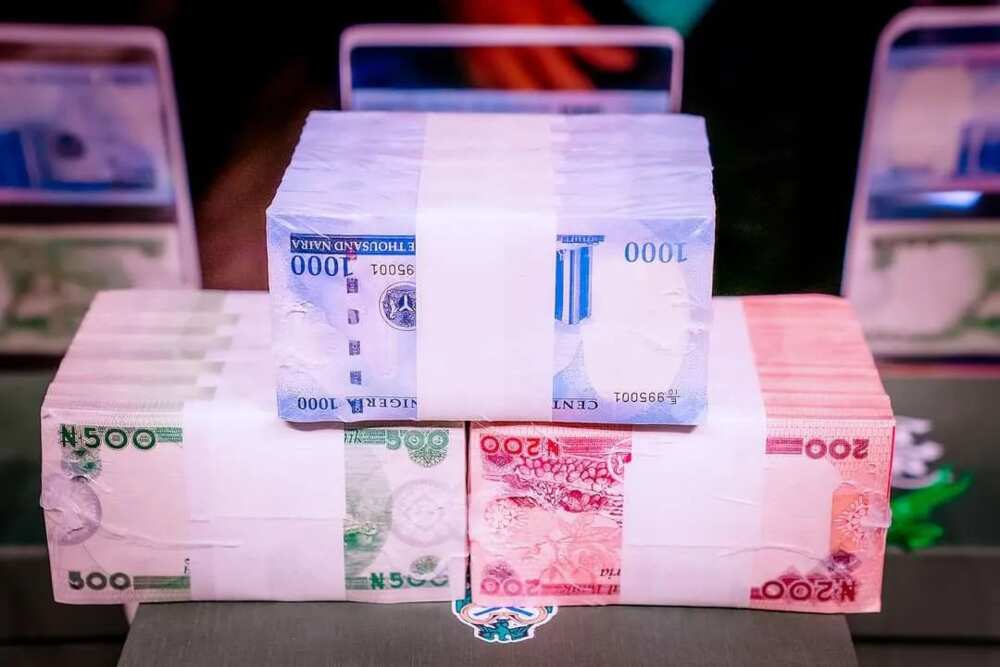
Keeping large quantities of Naira notes, particularly those that are brand-new, is another offense that may result in legal repercussions.
This technique is frequently used to inflate the value of the money, create fake scarcity, or increase the price at which it is sold.
Hoarding interferes with the CBN’s monitoring and control mechanisms for currency circulation.
Making Money with Naira Note Trading:
The purchasing and selling of Naira notes for financial gain is prohibited. This involves trading new notes for old ones in exchange for a commission or other charge.
Criminal charges may follow from such actions, which are seen as using the money for personal advantage.
Keep in mind that the Naira is more than simply Nigeria’s currency—it’s a representation of pride and national sovereignty.
To preserve the value of the Naira, the Central Bank of Nigeria has established stringent criteria, and breaking them may result in severe legal repercussions.
It’s imperative that people and organizations treat money with respect and abide by the regulations controlling its usage.
By doing thus, they help maintain the integrity and stability of the country’s economy while avoiding the legal consequences that may result in incarceration.



