

By Nahum Sule, Jalingo
The Association of Civil Society Organizations in Malaria Control, Immunization, and Nutrition (ACOMIN) conducted its monthly Stakeholders’ Advocacy Visit in Taraba State on Monday, March 17, 2025.
The visit, an activity under the Community-Led Monitoring Project for AIDS, Tuberculosis, and Malaria (CLM-ATM), the community component of the Global Fund GC7 Grant was conducted by ACOMIN’S State Advocacy Team (SAT).
The project aims to empower communities to identify and address issues related to the quality of ATM services, community accountability, commodity utilization, and community engagement.
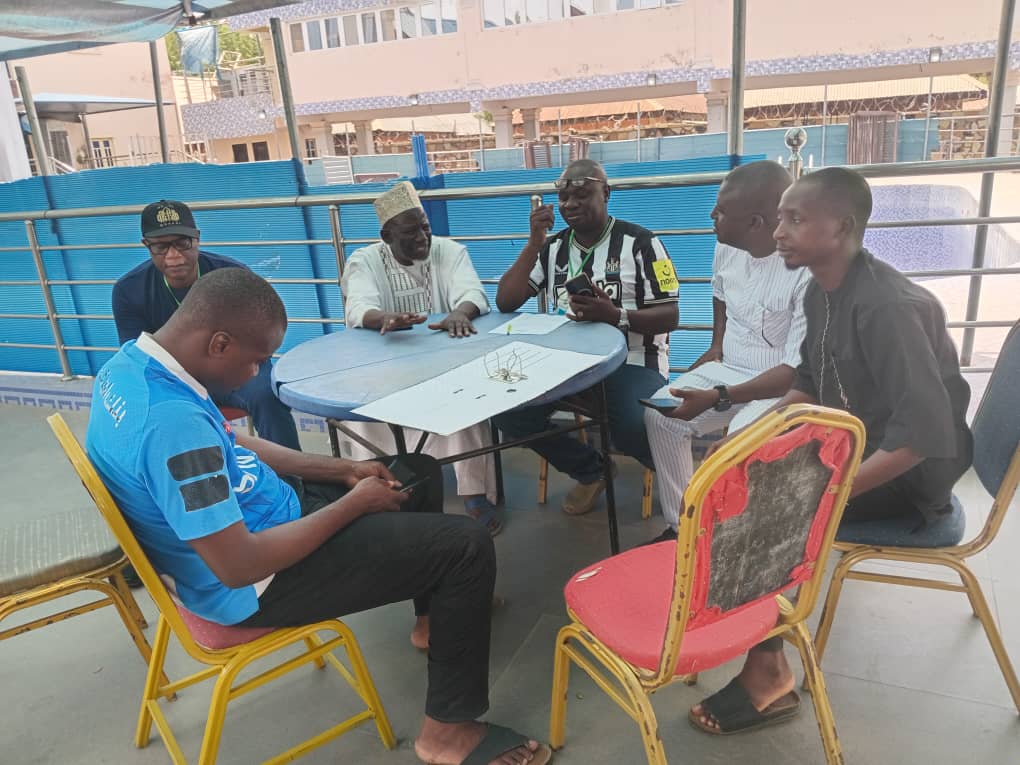
The team conducted four advocacy meetings with the: Logistics Management and Coordinating Unit (LMCU), State Malaria Elimination Programme (SMEP), Society for Family Health (SFH) and Management Sciences for Health (MSH).
The advocacy team led by ACOMIN’s State Chair for Taraba State, Alhaji Muhammad T. Danburam, accompanied by the State Program Officer, representatives from two Community-Based Organizations (CBOs), and a Media Correspondent advocated for: the restocking of Artemisinin-based Combination Therapies (ACTs) and Rapid Diagnostic Tests (RDTs) in two health facilities in Kurmi and Donga LGAs, where shortages have been reported, ensure broader coverage of the upcoming Insecticide-Treated Nets (ITN) mass distribution campaign, particularly for underserved communities in Bali and Takum LGAs.
The team highlighted gaps in the malaria supply chain, emphasizing that these shortages have increased the financial burden on patients, many of whom are already economically disadvantaged.
In their response, the stakeholders appreciated ACOMIN’s continuous efforts in sharing community findings and encouraged the organization to sustain its engagement.
Regarding the stockouts of ACTs and RDTs, as well as the lack of ITN coverage in some communities, the stakeholders committed to addressing these issues in the next distribution cycle.



