

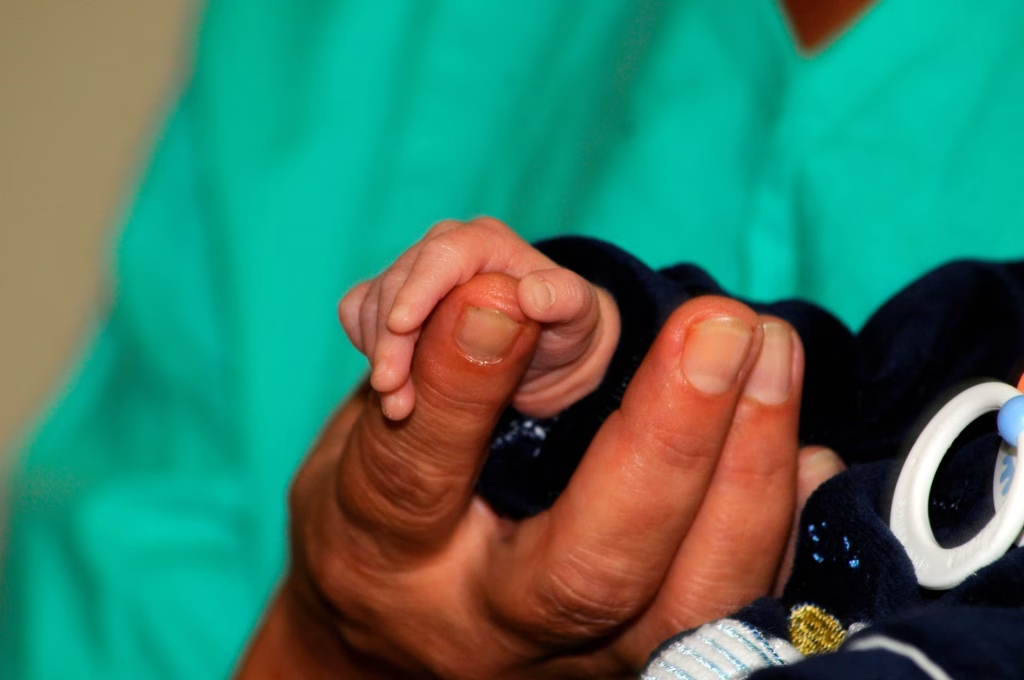
The Executive Director of the United Nations Population Fund (UNFPA), Dr Natalia Kanem, has raised an alarm over a global shortage of nearly one million midwives, warning that the deficit is putting countless lives at risk, particularly in crisis settings.
Kanem, who raised the alarm in a statement to mark the 2025 International Day of the Midwife, lamented that midwifery remains under-recognised and under-resourced, a situation exacerbated during crises.
The executive director noted that the 2025 theme, “Midwives: Critical in Every Crisis”, underscores the essential role midwives play in humanitarian and emergency settings across the globe.
She highlighted that midwives are capable of delivering up to 90 percent of essential sexual, reproductive, maternal, and newborn health services, including family planning, and also play a critical role in supporting survivors of gender-based violence, which often spikes during emergencies.
“Midwives often put themselves at great risk to reach women and girls in remote or crisis-affected communities,” Kanem said.
She explained that chronic underinvestment has resulted in inadequate training opportunities, poor infrastructure, insufficient supplies, and low remuneration—issues that compromise the delivery of essential care and jeopardise maternal and newborn health outcomes.
Kanem warned that in humanitarian settings, women are twice as likely to die in childbirth, emphasising that deploying midwives in disaster and emergency responses is a cost-effective and life-saving strategy.
She expressed grave concern over recent cuts to humanitarian funding, cautioning that these reductions threaten to widen already critical gaps in care and have tragic consequences for women and girls, particularly in fragile regions.
“Already, midwives are reporting rising death rates among women and newborns in conflict zones and fragile contexts, an ominous sign in places where more than 60 percent of global maternal deaths occur,” she noted.
Kanem stressed that midwives could prevent two-thirds of maternal and newborn deaths while also generating broad economic and social benefits, including reduced healthcare costs and a more productive workforce.
“Women and entire societies would be both less vulnerable to crisis and more equipped to recover from it,” she added.
She called on governments and international donors to support UNFPA’s Midwifery Accelerator initiative, which aims to scale up financial and programmatic investments in midwifery—before more lives are lost.
The International Day of the Midwife was established in 1992 by the International Confederation of Midwives to celebrate the profession and raise global awareness of its critical contributions to maternal and newborn health.


