


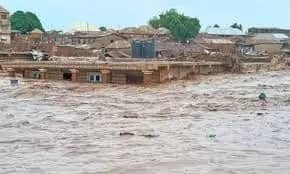
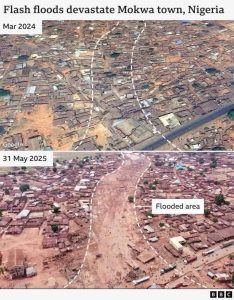
In view of the most recent tragic disaster in Mokwa, Niger State, which resulted in significant loss of lives and property, the Risk Managers Society of Nigeria (RIMSON) has extended its sincere condolences to the Government and people of Niger State and other affected victims in different parts of the country.
The National Emergency Management Agency (NEMA) had said 151 bodies were recovered, 503 households and 264 houses were affected and 3,018 individuals displaced in the flood, which occurred on May 28, after hours of torrential rainfall.
In a statement on Wednesday, signed by the President/Chairman of Governing Board of RIMSON, Dr. Abbas G. Idriss, who is also the immediate past Director General of FCT Emergency Management Agency (FEMA), the society also commended the sustained efforts of all stakeholders, especially NiMet in providing regular forecasts.
However, the society said there is need for the creation of the office of risk management of the federation to coordinate and monitor all risk management efforts across the geopolitical zones as a national security issue.
According to the society, there is urgent need for incorporation of disaster awareness and education into the national educational curriculum and the National Youth Service Corps scheme.
The statement read: “Understanding the causes and implementing effective risk management strategies are critical for mitigating future disasters. Seasonal torrential rains, often exacerbated by climate change, lead to excessive water accumulation and overflow of rivers.
“Inadequate drainage infrastructure can prevent the efficient evacuation of rainwater, contributing to flooding in urban and rural areas. Deforestation for agriculture and urban development reduces the land’s ability to absorb rainwater, increasing surface runoff.
“Erosion caused by heavy rains can lead to sedimentation in rivers and waterways, reducing their capacity to carry water and increasing flood risk. Major rivers such as the Niger River can overflow their banks due to prolonged rainfall and upstream contributions, leading to flooding in adjacent areas. Fluctuations in weather patterns due to climate change can lead to unpredictable rainfall and increased frequency of extreme weather events.
“Flooding often results in fatalities, including children and vulnerable populations. Many individuals and families are forced to leave their homes, leading to temporary shelters or displacement camps. Homes, businesses, and infrastructure can be destroyed, costing millions of Naira in damages.
“Flooding disrupts farming activities and can lead to food insecurity. Survivors of disasters like flood usually suffer from Post Traumatic Stress Disorder (PTSD), leading to unset of many medical challenges.”
They added: “Implementing robust early warning systems for floods will provide communities with timely information to prepare and evacuate if necessary. Initiatives to restore vegetation in flood-prone areas can enhance soil absorption and reduce runoff.
“Engaging communities in flood preparedness, response training, and awareness campaigns can empower individuals to act during emergencies. Enforcing zoning laws and land-use policies that discourage construction in flood-prone areas can minimize risk exposure.
“Developing comprehensive emergency response plans that include evacuation routes, shelter locations, and resource management to ensure quick and effective action during floods. Partnering with non-governmental organizations can provide additional resources, expertise, and support in flood management and recovery efforts.
“By addressing these causes and implementing the outlined recommendations, Niger State can significantly reduce the impact of future flooding events. On the national level, urgent steps should be taken to prevent these seasonal avoidable losses.
“There is need for national orientation in disaster prevention readiness and mitigation both at local and national levels. There is need for evaluation of the existing early warning systems, their effectiveness, evacuation plans and structural remedies, especially review of construction designs for flood prone areas.
“There is need for urgent review of town planning and strict enforcement of violations. There is urgent need to ensure disaster management agencies, both at the national, state and local governments are manned by qualified risk management professionals. There is urgent need to upskill and equip all existing disaster management personnels for greater efficiency.
“There is need for the creation of the office of risk management of the federation to coordinate and monitor all risk management efforts across the geopolitical zones as a national security issue. There is urgent need for incorporation of disaster awareness and education into the national educational curriculum and the National Youth Service Corps scheme.
“There is urgent need for regular national simulation of disaster readiness and response. There is urgent need to review budgetary allocations towards disaster prevention than the existing allocations to relief for survivors. There is urgent need for the legislative arm of government and the civil societies to monitor the deployment of funds allocated for disaster management.
“We are confident that the implementation of these recommendations, among others, will further enhance existing Disaster Management efforts and proactively reduce the avoidable tragic human and economic losses.
“The Risk Management Society of Nigeria (RIMSON) is committed to her advocacy as she has been doing for the past forty years, in promoting risk management awareness and education till it becomes a national culture resulting in a more resilient, safe and prosperous nation.”



