

BY DAVID ADUGE-ANI
The Federal Government has announced plans to expand access to family planning, integrate quality maternal and child health services, strengthen the health workforce, and promote sexual and reproductive health education, particularly for young people and vulnerable populations.
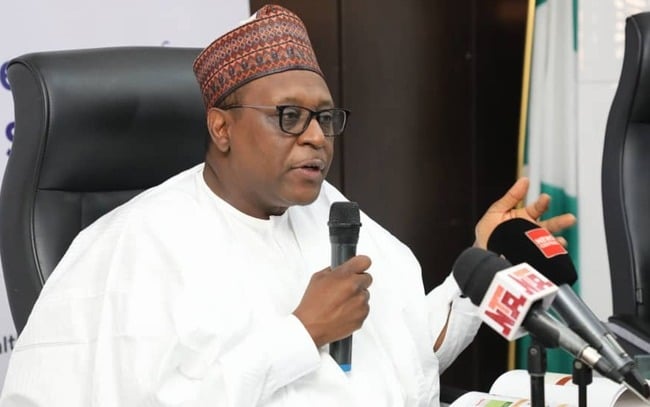
Minister of State for Health and Social Welfare, Dr Iziaq Adekunle Salako, made the pledge in Abuja on Tuesday during the national launch of the 2025 State of the World Population (SWOP) report.
Salako noted that reproductive agency goes beyond the health sector, as it is deeply interconnected with education, gender equality, poverty reduction, and community empowerment.
He added that the Ministry is enhancing intersectoral collaboration and advocating for increased domestic funding and accountability at all levels.
He pointed out that the 2025 SWOP Report, aptly titled “The Real Fertility Crisis: The Pursuit of Reproductive Agency in a Changing World,” calls attention to a matter of global and national concern: the growing gap between the reproductive choice’s individuals seek and the realities that prevent them from doing so.
He continued, “The theme of this year’s report challenges us to ask bold questions and take decisive action.
It is not enough to acknowledge reproductive rights, we must ensure they are fully realised.
Every woman, every girl, every family in Nigeria deserves the opportunity to make informed and autonomous choices about their reproductive lives.”
He noted that the conversation around fertility has been narrowly focused on numbers, too high or too low, without sufficient regard for the human rights, health systems, and social conditions that influence reproductive decisions.
“This report reminds us that the true crisis is not about how many children people have, but whether they are able to make that decision freely, safely, and with dignity.”
In Nigeria, he said, the complexity of this issue is deeply felt. Millions of women and girls still face challenges in accessing modern contraceptive services, accurate information, and respectful reproductive health care. At the same time, many who desire to have children confront financial, societal, or medical barriers that limit their choices.


