BY NGOZI NWANKWO
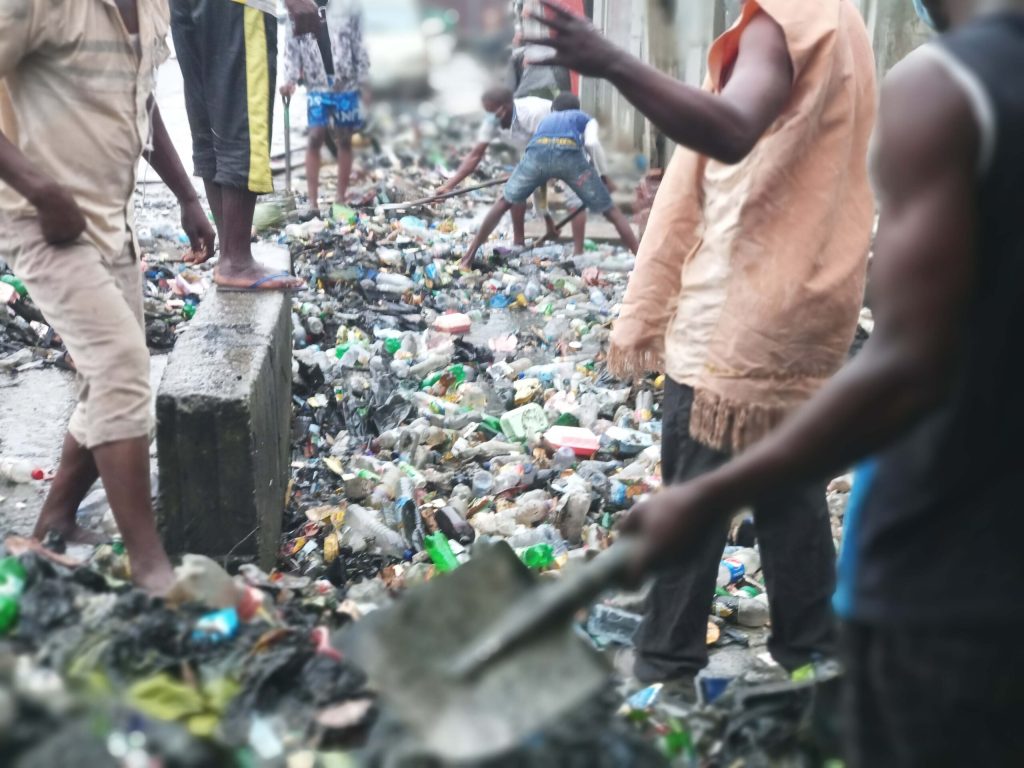
Nigeria faces a significant public health challenge with over 3.5 million children suffering from diarrhea diseases annually due to poor sanitation, according to the Minister of Environment, Balarabe Abbas Lawal.
Minister Lawal highlighted that sanitation-related diseases cause morbidity and deaths each year, particularly among vulnerable populations such as children, the elderly, and individuals with weakened immune systems. He noted that a large number of children die every year from these diseases, particularly those under five years old.
He stressed the importance of involving all stakeholders in efforts to ensure a cleaner and safer environment, explaining that these diseases can have significant economic impacts on individuals, families, and communities, including lost productivity, medical expenses, and reduced economic opportunities. Poor sanitation, he added, can also lead to contamination of water sources, soil, and air, resulting in long-term environmental degradation.
“Sanitation is a fundamental human right, and access to safe sanitation is essential for human dignity, health, and well-being. Unfortunately, many communities in our country still lack access to basic sanitation facilities, putting them at risk of waterborne diseases and other health hazards,” the Minister stated.
He reiterated the ministry’s commitment to improving sanitation and hygiene practices across the country, maintaining that safe sanitation and hygiene is not just a matter of public health, but also a critical component of sustainable development.
The Minister noted that: “In recent times, the Federal Government, through the Federal Ministry of Environment, has made several efforts towards the delivery of sanitation and hygiene mandates to the Nigerian citizenry.” These efforts include reviewing and updating the 2005 National Environmental Sanitation Policy and its implementation guidelines to address present and emerging sanitation challenges, approving the National Solid Waste Management Policy by the Federal Executive Council, launching the National Policy for Antimicrobial Resistance for the Environment Sector, constructing public toilets nationwide to curb open defecation, and conducting ongoing awareness campaigns on the dangers of open defecation.