

BY BEN OGBEMUDIA
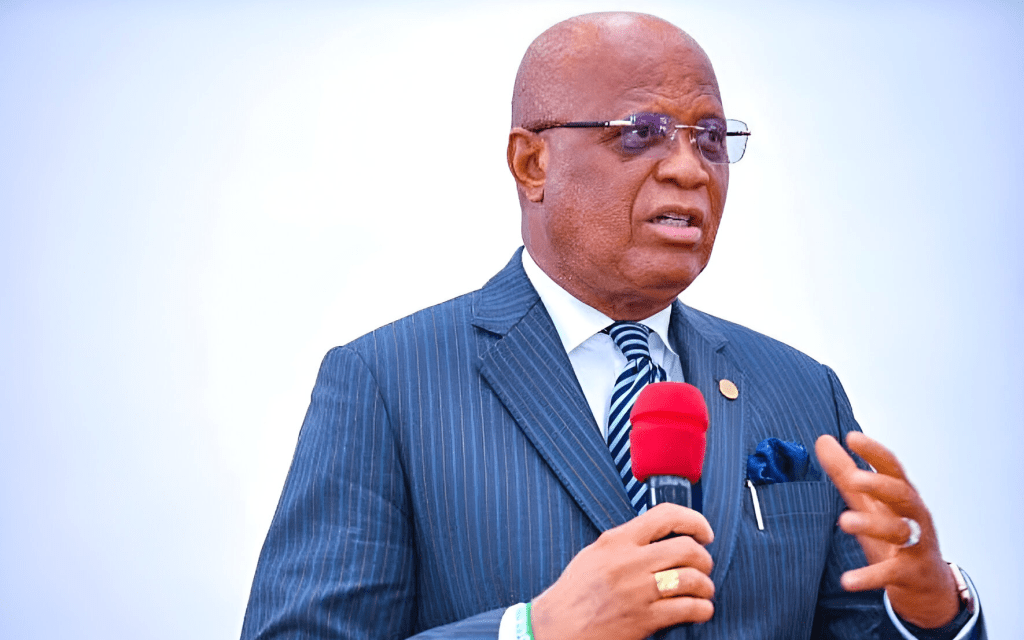
Socio-political group made up of indigenes of Esit Eket Local Government Area in Akwa Ibom State, The Esit Eket Liberation Group (EELG), has rejected Governor Umo Eno’s proposed toilet facility projects for the council area under the state’s ARISE Agenda.
In a statement issued Thursday by National Coordinator, Uyoata Asam-Eyo and Spokesperson/Director of Media and Publicity Unwana Assam, and made available to journalists in Abuja, the group described the toilet project as “a slap” and “a deliberate provocation” against the people of Esit Eket.
“At a time that other LGs are benefiting from critical infrastructure, meaningful investments and impactful development initiatives, Esit Eket is being offered toilets as ‘dividends of democracy.’ This is not just unacceptable, it is disgraceful,” the group said.
They further stated that Esit Eket, a proud, oil- and gas-producing area with a long history of contributing significantly to the economic stability of both Akwa Ibom State and Nigeria, deserves more than “demeaning toilet facilities.”
“It is utterly demeaning that our reward for loyalty, peaceful conduct and resource contribution are toilet facilities,” the group said.
They posed a barrage of questions to Governor Eno:
“Where are the road projects? Where are the schools, hospitals, and skill acquisition centres? Where is the empowerment for our youths and women? What happened to the revitalisation of the Akwa Palm industry promised to Esit Eket during your campaign?
“What about the dualisation of the Eket–Esit Eket road? Is this how a responsible government reciprocates the support of a strategic LGA like Esit Eket, which stood solidly behind you during the election?
“Is building toilet facilities in Esit Eket commensurate with the 9,549 votes Esit Eket overwhelmingly gave to Eno in the 2023 governorship election?
“With the level of hunger in Akwa Ibom, where is the food the people will eat to make use of these toilets?”
The group categorically rejected the project, calling it “a mockery of our people, our culture, and our collective sensibility.”



