

BY UZOR OGECHI MARY
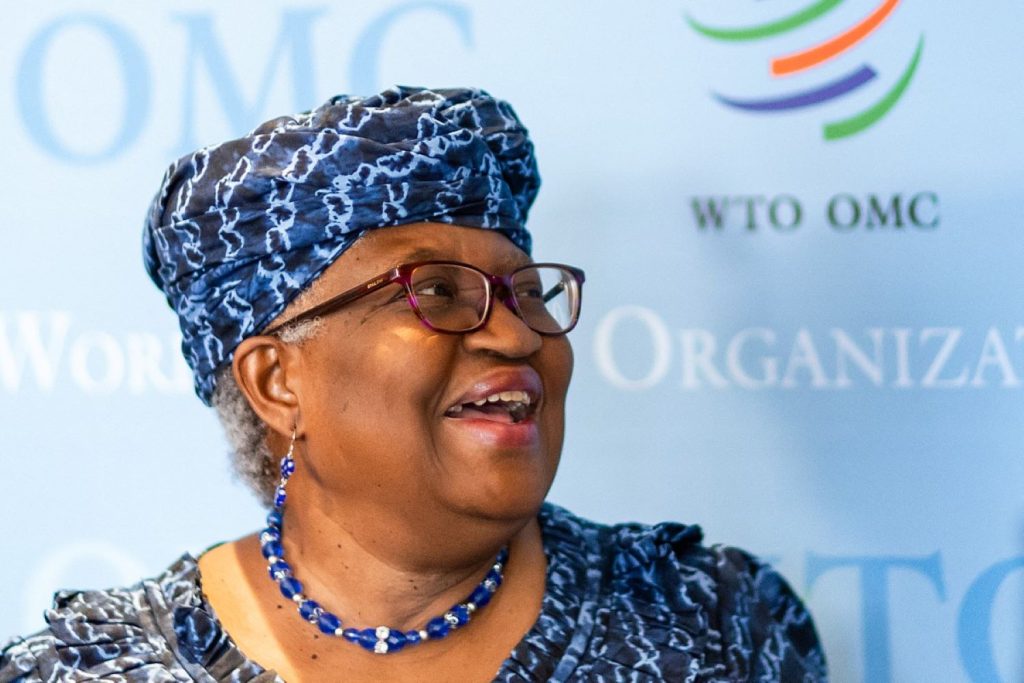
The Director-General of World Trade Organisation (WTO), Dr. Ngozi Okonjo-Iweala, has launched a $50 million international fund designed to support women entrepreneurs in four developing countries, with the skills, resources, and networks to compete in the fast-growing global digital economy.
Nigeria, Jordan, Mongolia, and the Dominican Republic are four countries that are selected for the programme’s first rollout.
The Women Exporters in the Digital Economy (WEIDE) Fund is a collaboration between the WTO and the International Trade Centre (ITC).
It will provide financial support and technical assistance to help women owned businesses tap into global value chains.
Speaking at the launch event in Abuja on Thursday, Okonjo-Iweala warned that Nigeria’s low internet penetration with only 45 per cent of the population online compared to the global average of 67 per cent could limit the country’s ability to fully benefit from digital trade opportunities.
She stressed that reliable power supply and affordable internet access were essential for any meaningful digital transformation.
Out of 67,000 Nigerian women entrepreneurs who applied, 146 have been selected for the inaugural cohort. Sixteen of them will receive up to $30,000 each and 18 months of technical assistance under the “Booster Track,” while 130 others in the “Discovery Track” will get up to $5,000 and one year of business support.
Beneficiaries come from diverse sectors including agriculture, IT, fashion, hospitality, beauty, and manufacturing.
Okonjo-Iweala emphasised that empowering women in trade is “smart economics,” not charity, noting that women remain underrepresented in Nigeria’s ICT sector despite its growing contribution to GDP.
She cautioned against imposing customs duties on cross-border digital trade, warning it could stifle small exporters.
The WTO chief urged inter-ministerial collaboration to sustain the programme and challenged beneficiaries to grow their businesses, create jobs, and inspire others.
“When women succeed, communities succeed, economies succeed,” she said.



