

BY JOHN DANJUMA
For nearly three decades, Kwali has been treated like the forgotten child of the Federal Capital Territory (FCT). While neighbouring councils boast bustling markets, garages, industries, and schools, Kwali’s residents are forced to travel miles for the most basic services.
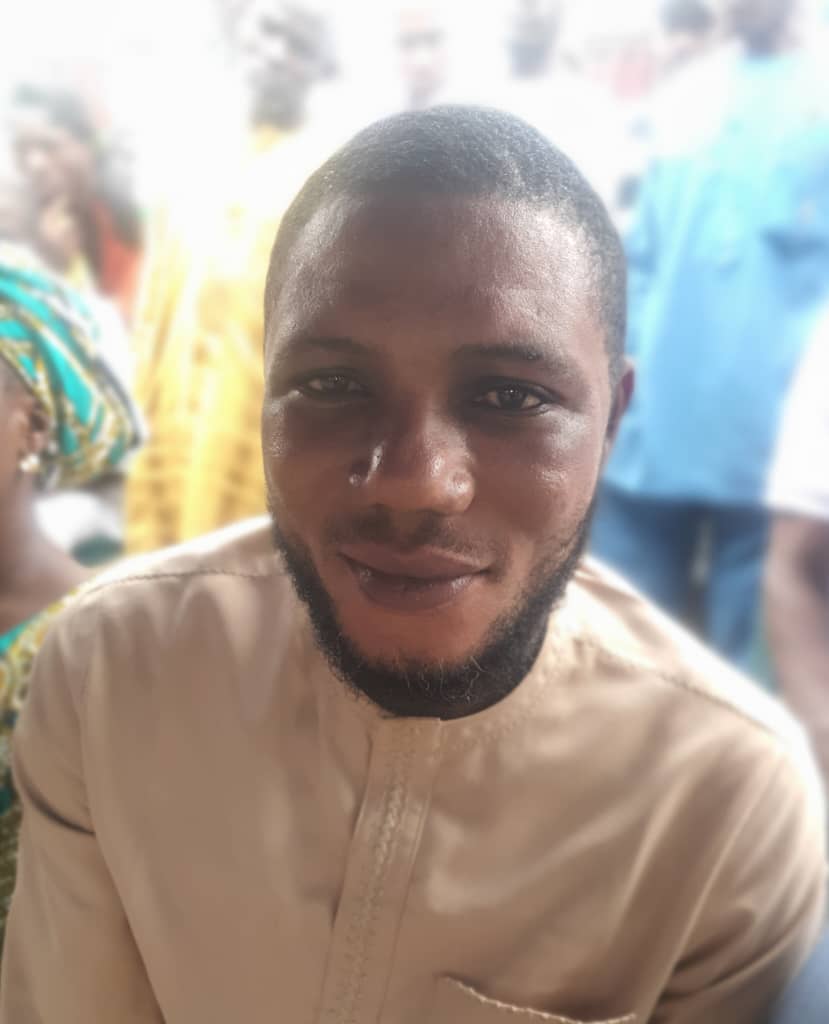
But as the 2026 Area Council elections draw near, a new figure is emerging from the shadows of neglect — Bandoji Jeremiah, the chairmanship candidate of the African Democratic Congress (ADC), hailed by many as the people’s hope.
At a rally that felt more like a people’s uprising than a political event, Bandoji declared: “Kwali has existed for 29 years, yet nothing has changed. No central market. No standard garage. No industries. No higher institutions. Our people live like strangers in their own land. This injustice must end.”
His words struck a chord with the huge crowd gathered in Kwali, many of whom cheered him as a liberator ready to break the cycle of underdevelopment.
Bandoji blasted successive administrations for forcing Kwali’s traders and households to depend on Gwagwalada.
“Every day, our money, our energy, and our time leak away. Without a central market or a garage, Kwali cannot grow. Commerce is the lifeblood of a council — and Kwali has been bled dry,” he charged.
The ADC candidate also drew attention to Kwali’s untapped agricultural wealth. Citrus, cassava, and sugarcane are produced in abundance, but farmers remain trapped in poverty because there are no processing plants.
“Our people farm but remain poor because we lack the machines to turn produce into profit. With sugarcane plants, gari mills, cold rooms and juice factories, Kwali can feed the FCT and employ its youth. With the right industries, we will turn Kwali’s farms into factories of wealth,” he vowed.
Bandoji described the absence of tertiary institutions in Kwali as a deliberate sign of marginalisation.
“Where there are colleges and technical schools, you see life — transport thrives, housing thrives, small businesses thrive. Kwali has none. That is why our economy is stagnant. I will fight to change that,” he promised.
In a sharp rebuke of old politics, Bandoji warned residents against selling their votes for handouts.
“Politicians bring rice and garri to buy four years of your suffering. But this time, our people are wiser. The youth here don’t follow money — they follow vision. If Kwali rejects vote-buying, we will win massively,” he declared, drawing thunderous applause.
The rally also saw ADC commission a new office in Kwali and formally welcome 2,000 defectors from rival parties.
Alhaji Ibrahim Suleiman, the immediate past National Organising Secretary of the party and chairman of its election committee, described the wave of defections as proof of a movement gathering unstoppable force.
“Our candidate has changed lives without holding office. Imagine what he will do with the people’s mandate. The goodwill you see here today is real — and it cannot be bought,” Suleiman said.
He dismissed fears of intimidation from the ruling party, insisting: “By God’s grace, the votes will count. We are prepared, we are organised, and the people are behind us. Kwali is ready for change.”
From farmers who dream of factories to youths who reject vote-buying, the mood in Kwali suggests a council on the brink of political rebirth. For many, the February 2026 elections are no longer just about who becomes chairman — they are about whether Kwali will remain forgotten, or finally rise.
And for now, all eyes are on one man: Bandoji Jeremiah — the candidate who promises to end 29 years of silence and give Kwali its long-denied voice.



