

FROM SUNDAY MATTHEW TAGGAH, KADUNA
Kaduna State lawmakers have raised the red flag over the condition of the state’s health system, warning that urgent reforms and renewed government investment are needed to salvage crumbling hospitals and overstretched primary health centres.
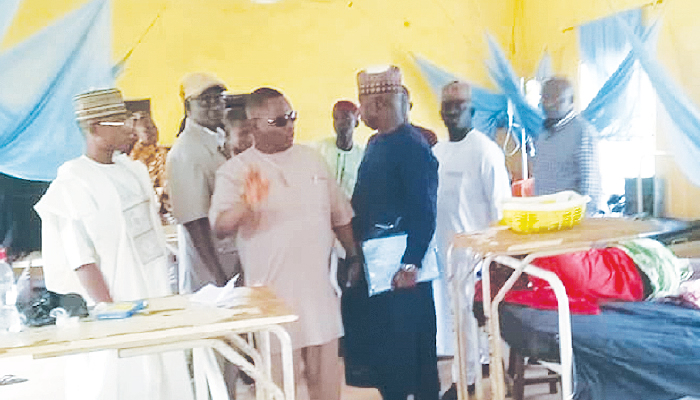
The alarm follows a three-day on-the-spot assessment carried out by members of the Kaduna State House of Assembly in collaboration with the EngenderHealth Consortium Partners. The exercise, which ran from September 10 to 12, 2025, covered selected General Hospitals and Primary Health Centres (PHCs) across five local government areas.
The initiative is part of the Assembly’s constitutional oversight duty but also a response to rising public concern over the state of healthcare delivery. Nigeria spends barely 3.9 per cent of its GDP on health, far below the African Union’s 15 percent Abuja Declaration target. The consequences are visible in Kaduna: under-equipped facilities, erratic power supply, high drug costs, and overburdened staff.
To ensure comprehensive coverage, lawmakers split into three oversight teams, each led by committee chairmen and supported by legislative staff, journalists, and development partners. Their task: to inspect facilities, interact with patients and staff, and identify gaps demanding urgent intervention.
“We went out and saw things for ourselves and would ensure henceforth that government investments in health are delivering value. This visit helps us interact directly with the people and see the real issues on the ground,” said Hon. Barr. Emmanuel Kantiok, Chairman of the House Committee on Primary Health.
In Sabon Gari LGA, the tour began with a sobering contrast. At Major Ibrahim B. Abdullahi Memorial General Hospital, lawmakers lamented the slow pace of infrastructural upgrades, warning that delays were worsening congestion. Yet, just a few kilometres away, Hanwa PHC impressed the team with its clean, solar-powered environment, earning commendations for proper maintenance.
The story was mixed in Igabi LGA. At PHC Maraban Jos, the facility in-charge, Asma’u Bala, highlighted chronic water and electricity shortages. Lawmakers noted the paradox: adequate staffing but no clean water, stable power, or basic equipment. In contrast, Rigasa General Hospital earned plaudits for ongoing laboratory improvements. “This facility is showing impressive progress. The new structure and equipment are commendable,” said Kantiok.
On the second day, the delegation moved to Jaba and Jama’a LGAs. PHC Kwoi and Rural Hospital Kwoi were functional but struggling with staff shortages and unreliable utilities. At Maigizo PHC and Fadan Kagoma Rural Hospital, dilapidated infrastructure stood out as the most pressing concern. “We are doing our best,” said Dr. Daniel Nwazur, Medical Director of Fadan Kagoma, “but the facilities cannot meet the community’s growing demands.”
The assessment wrapped up in Sanga LGA. At PHC Fadan Karshi, officials noted the absence of a paediatric ward, incomplete staff quarters, and poor sanitation. In nearby Gwantu General Hospital, slow construction work was blamed on the death of the previous contractor. Local council chairman, Hon. Anto, promised that projects would soon be completed and urged residents to remain patient.
Perhaps most damning were the voices of patients and health workers. Across multiple facilities, the same complaints resurfaced: unreliable power and water, costly drugs, inadequate manpower, and painfully slow upgrades.
“Even when the drugs are available, we can’t afford them. We get them cheaper outside,” lamented a nursing mother at one of the General Hospitals.
Hon. Kantiok assured that these grievances would not go unheard: “We have listened carefully and seen things for ourselves. We’ll push for urgent action to address the issues.”
Echoing him, Hon. Haruna Barnabas Danmaigona, Chairman of the House Committee on Health, listed priority areas requiring immediate government action: speeding up hospital upgrades, hiring more doctors, installing solar power systems, improving water supply, and providing modern equipment.
“I commend the Uba Sani-led administration for improved drug supply across the state. Our development partners must also be appreciated — this initiative should be sustained,” Danmaigona added.
According to EngenderHealth Consortium’s preliminary findings, Kaduna’s PHCs scored around 70 per cent in functionality, but General Hospitals fared far worse, with upgrade projects lagging at only 30 to 50 percent completion. Without increased funding, staffing, and modern technology, the gap between rural healthcare needs and available services will continue to widen.
The Assembly’s oversight may be routine, but its findings are anything but. In a state of nearly 10 million people, poor access to quality healthcare is more than an administrative lapse — it is a public health emergency. With the lawmakers now armed with firsthand evidence, the onus lies on the government to translate legislative findings into action.
Kaduna’s people cannot afford to wait. In the words of one mother clutching her newborn at a dimly lit hospital ward: “We don’t need promises. We need working hospitals.”



