

BY JENNIFER EZIMAKOR
Chinese and Nigerian scholars have renewed calls for reforms to international institutions, linking the effort to the recently unveiled Global Governance Initiative (GGI).
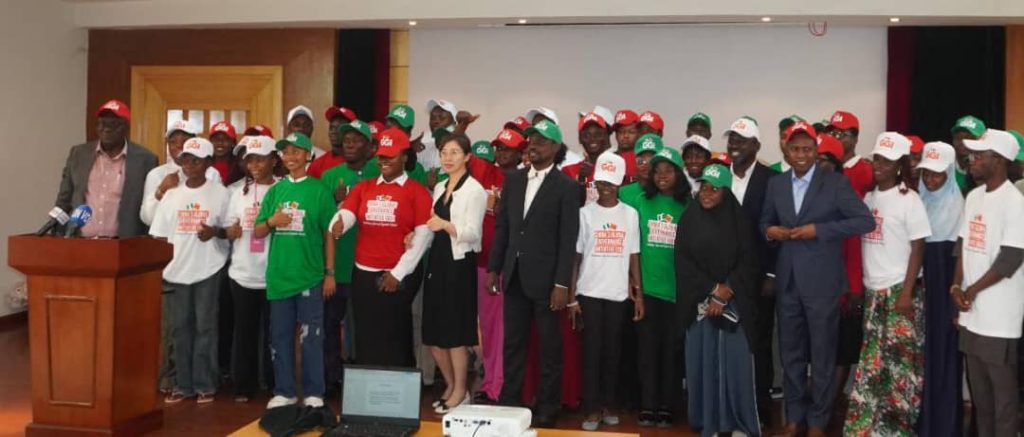
At a one-day seminar in Abuja on Thursday, participants pressed for greater inclusion of the Global South in decision-making structures and highlighted opportunities for stronger China-Africa cooperation.
Counsellor at the Chinese Embassy in Abuja, Dong Hairong, said the GGI is designed to promote “a fairer and more equitable, inclusive international system” through joint efforts of nations and multilateral mechanisms. She described the initiative as “a new platform and a new opportunity for reforming the global governance system and transforming the global order.”
Hairong voiced support for reforms in the United Nations Security Council and global financial bodies, stressing that China is committed to working with Africa to “correct the historical injustices” of underrepresentation.
Professor Sheriff Ibrahim, Director of the Centre for Contemporary China-Africa Research, criticised the dominance of a few global powers within institutions such as the UN Security Council. He argued that all continents and regions should have permanent representation.
“There is exclusion in global governance from the Security Council of the United Nations,” Ibrahim said, warning against the unchecked impunity of powerful states. He also called for reforms in the International Monetary Fund and the G20 to reflect the currencies and priorities of developing countries.
“Nigeria also wants to be part of it,” he added, noting China’s backing of Nigeria’s push for a permanent Security Council seat.
Citing President Bola Tinubu’s recent engagements at the G20 and the Forum on China-Africa Cooperation, Ibrahim urged African states to strengthen governance, fight corruption, and embrace people-centred development to play a more decisive role in global affairs.
Charles Onunaiju, Director of the Centre for China Studies, stressed the importance of building domestic capacity to secure a seat at the global table. “You are either on the table or you are on the menu,” he said, adding that China’s follow-through on initiatives sets it apart from Western-led promises that failed to materialise.
Onunaiju expressed confidence that the GGI would bring tangible results, describing Nigeria’s vocal support as “very impressive.”
The GGI was launched by Chinese President Xi Jinping on September 1 at the Shanghai Cooperation Organisation Plus meeting, where he urged nations to work toward a governance model rooted in fairness, cooperation, and shared responsibility.
Nigeria’s Ministry of Foreign Affairs has since welcomed the initiative, describing it in a September 11 statement as a “timely and thoughtful response” aligned with both national priorities and the African Union’s Agenda 2063.



