BY ODIGIE OKPATAKU
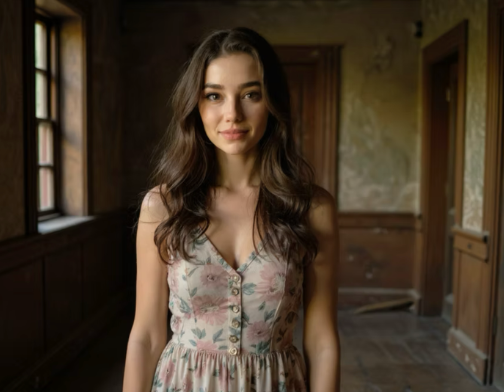
Hollywood stars have expressed concerns over the unveiling of an AI actress. This week, during the Zurich Film Festival, Eline Van der Velden, an actor, comedian, and producer, unveiled and discussed Tilly Norwood, an AI actress, instantly dividing Hollywood.
Tilly is the first AI actress from Eline’s newly launched AI talent studio, Xicoia, a spin-off from Particle6. Within hours of this announcement, Tilly dominated headlines as the “world’s first AI actress,” creating an instant debate, while drawing curiosity from talent agencies and condemnation from many working actors.
Eline insists that the goal is not to replace people, but to provide a new tool for cinema and television. “As for those who expressed anger over the creation of our character Tilly Norwood: she is not a replacement for a person, but a creative work,” she wrote.
“She is a creation, a piece of art,” Van der Velden said. “AI is not a substitute for human craft, but a new paintbrush — like animation, puppetry, or CGI.”
Her statement did little to reassure the public, and many in Hollywood have gone online to express concerns that artificial intelligence could take jobs and eventually push actors out of the frame. Others expressed fears that real people’s work could be used to train AI models without consent or compensation, and could be used to create films, series, or advertisements without people’s involvement.
According to industry sources, talent agencies are considering signing Tilly as an actress, while studios are not rushing to abandon the use of AI-generated content. Tilly’s Instagram account, which resembles that of a typical Gen Z influencer, has drawn a significant wave of anger and criticism from Hollywood’s notable figures.
In response to growing industry demands, creators and studios continue to consider new rules for using AI in visual content and training models. In the meantime, OpenAI announced new measures to protect people’s images in video content, integrate technologies with rights holders, block AI-generated videos in the style of living artists, and give public figures the option to opt out of having their likeness used by this technology.