

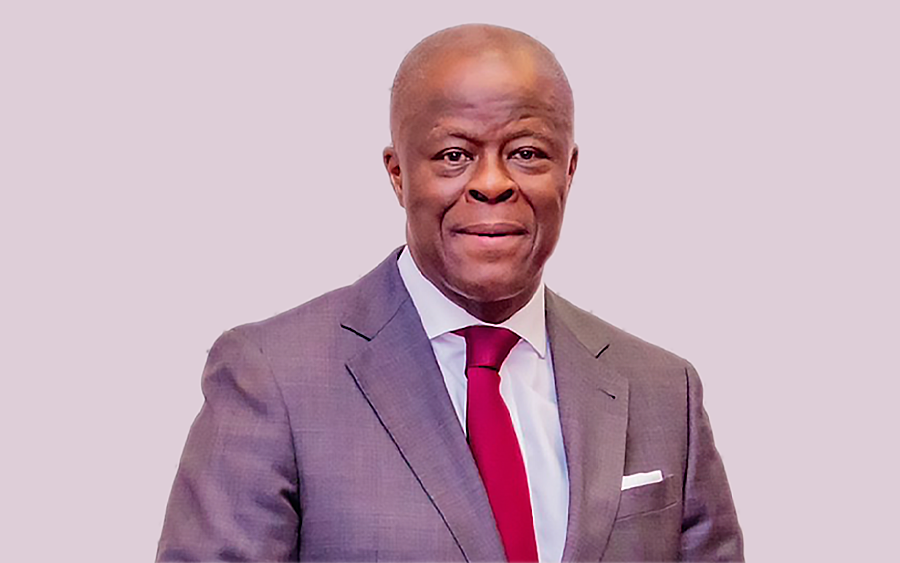
BY NGOZI NWANKWO
The Federal Government has announced plans to expand its direct cash transfer programme to reach more poor and vulnerable Nigerians.
Minister of Finance and Coordinating Minister of the Economy, Wale Edun, disclosed this on Tuesday at the Oxford Global Think Tank Leadership Conference and Book Launch in Abuja.
Edun said the initiative, which currently supports over 15 million households, is part of ongoing efforts to cushion the impact of economic reforms and reduce poverty.
“There is an attempt to ensure that the pains of reform are immediately alleviated. That’s why there is a transparent, accountable, and robust system of providing direct payments to 15 million households,” he said.
He explained that the programme is anchored on transparency and digital accountability, ensuring that every beneficiary is verified through a national identity number and receives payments via bank accounts or mobile wallets.
“In some places, people say they haven’t heard of anyone receiving the payments. We immediately call for the data to verify this because each individual is identified by name, national identity number, and paid digitally. There is accountability, transparency, and a record,” Edun added.
He also announced a new ward-based development initiative that will channel financial resources directly to Nigeria’s 8,809 wards across 774 local government areas, targeting small businesses and cottage industries.
“This will empower economically active people at the ward level by providing support and financing. It’s a key element in ensuring that the benefits of current reforms reach right down to the local level,” he said.
Founder of the Oxford Global Think Tank Leadership, Dr. Arunma Oteh, who also spoke at the event, urged the government to increase investment in infrastructure and human capital to drive long-term economic growth.
“China, over the years, invested 24 per cent of its GDP in infrastructure. At best, we do 4 to 5 per cent. If we want to bridge the infrastructure gap, we must raise this to at least 12 per cent,” she said, further stressing the need for “patient capital” and sustained investment in young people and national development.



