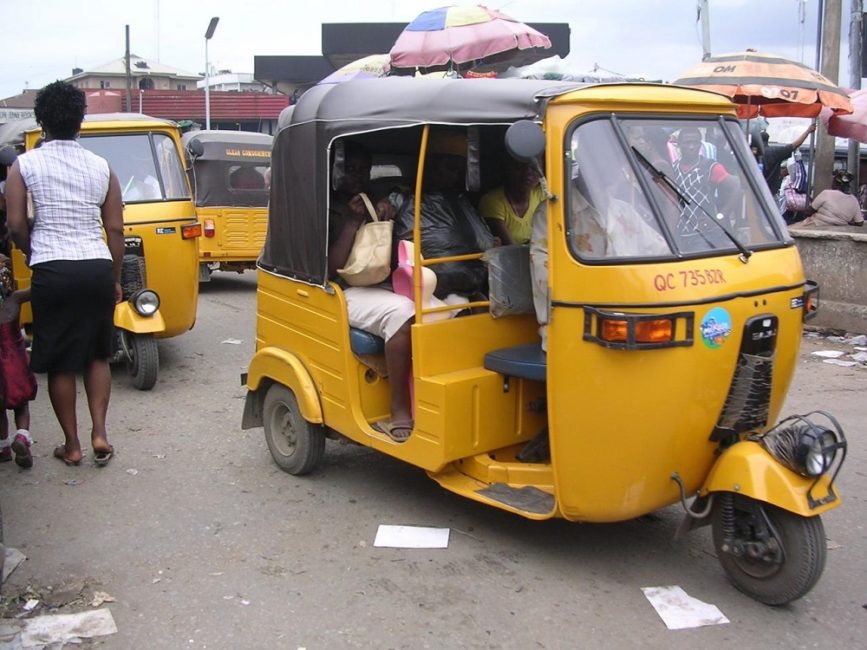
The Enugu State Government has announced plans to restrict tricycles (Keke), yellow buses and minibuses from five major highways in Enugu metropolis to enable the smooth deployment of the state’s new Bus Rapid Transit (BRT) system.
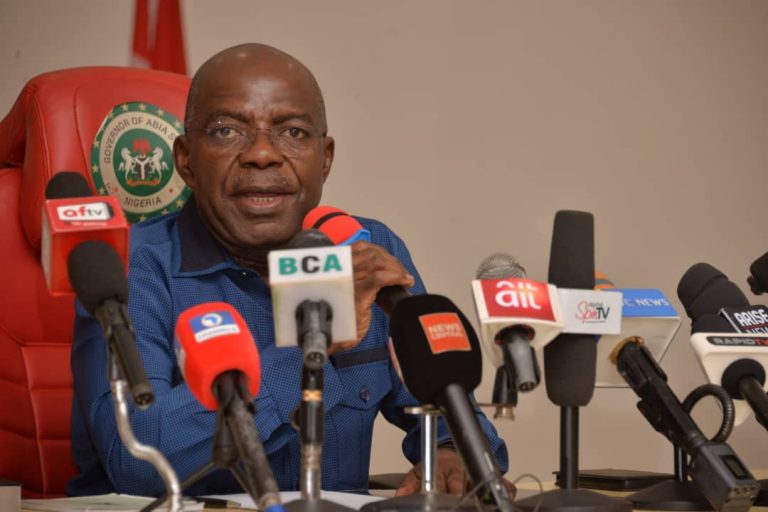
Commissioner for Transport, Dr Obi Ozor, disclosed this during a consultative meeting with transport unions and stakeholders at the ministry’s headquarters.
He listed the affected corridors as: Okpara Avenue–Abakaliki Road–New Haven Junction–Naira Triangle–Emene Airport; Ogui Road–Chime Avenue–Naira Triangle; New Haven Junction–Bisala Road–Rangers Avenue–WAEC–Nkpokiti–Zik’s Avenue; Ogui Road–Presidential Road–WAEC–Nkpokiti and the entire Agbani Road stretch.
These routes, he said, will become dedicated BRT lanes under Governor Peter Mbah’s vision to transform Enugu into a modern, multimodal, globally competitive city.
Dr Ozor stressed that tricycles were never designed for high-speed highways, noting they disrupt traffic and endanger commuters.
“This reform is not about taking anyone’s job,” he said. “It’s about reorganising the system — BRT buses on primary roads, yellow buses on secondary routes, and tricycles providing last-mile connectivity. Everyone has a place in the value chain.”
He revealed that the government has procured 200 CNG-powered BRT buses and 4,000 electric taxis, to be assembled at ANAMMCO, with the first 1,000 taxis ready within three months.
Eighty-four new bus shelters have also been built to support a safer and more efficient transit network.
With an estimated two million daily commuters, Enugu, he said, needs at least 8,000 buses to meet mobility demand. The new BRT vehicles feature padded seats, air-conditioning, WiFi, and safety monitoring via the state’s command-and-control centre.
Fares come with a 47% subsidy to ease transportation costs.
The commissioner announced several resolutions, including an invitation to transport unions to submit proposals and financial models for participating in BRT or terminal operations.
The state’s electronic fare system, the Ije Card, will also be decentralised to reach five million residents within 90 days.