

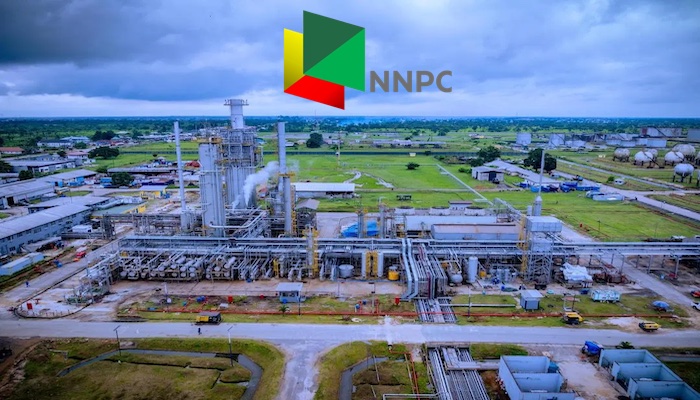
A leading petroleum economist, Prof. Wumi Iledare, says NNPC Ltd.’s new
agreement with two Chinese firms could revive Nigeria’s troubled refinery
rehabilitation efforts.
Iledare, Professor Emeritus of Petroleum Economics, who spoke in Lagos,
described the Memorandum of Understanding (MoU) as a potentially
significant move toward resolving long-standing operational and technical
setbacks.
The agreement was signed between NNPC Ltd., Sanjiang Chemical Company
Ltd., and Xingcheng Industrial Park Operation and Management Company Ltd.
in China.
The arrangement is expected to support a proposed Technical and Engineering
Partnership involving the Port Harcourt and Warri refineries.
Iledare stated that though the MoU was not yet a binding commercial agreement
or final investment commitment, it however, reflected deliberate efforts to
attract technical expertise, operational support, and possible capital investment.
“Such partnerships can create pathways for operational recovery if structured
and executed with discipline,” he said.
According to him, Nigeria’s downstream petroleum sector requires strategic
collaborations capable of delivering measurable performance improvements.
He explained that both refineries had suffered prolonged shutdowns,
maintenance delays, and repeated rehabilitation setbacks over the years.
“The country needs solutions driven by competence, accountability, and
commercial realism,” he stated.
Iledare said the partnership could accelerate technical rehabilitation through
improved engineering coordination and modern maintenance systems.
He added that exposure to contemporary refining practices could improve
operational efficiency and reduce costly system failures.
According to him, the arrangement may also support technology transfer and
workforce development within Nigeria’s refining sector.
“Nigerian professionals can benefit from direct exposure to modern operational
systems and technical processes,” he said.
He noted that such collaboration could build local capacity and reduce reliance
on foreign technical support.
“If properly structured, it could strengthen long-term sustainability and reduce
dependence on external expertise over time,” he said.
The professor, however, warned that implementation remained the most critical
challenge facing the arrangement.
He said financing clarity, regulatory approvals, and institutional commitment
would determine whether the agreement achieves expected results.
Iledare stressed that transparency must remain central, considering Nigeria’s
history of costly refinery rehabilitation programmes.
“Stakeholders expect governance, accountability, and measurable outcomes
from every investment decision,” he said.
He added that clear performance benchmarks and regulatory oversight would be
necessary throughout implementation.
“Ultimately, the success of the partnership will not be judged by the MoU
announcement.
“But by whether it delivers commercially viable, operationally efficient, and
nationally beneficial outcomes for Nigeria’s downstream petroleum sector,”
Iledare said.



