

The Central Bank of Nigeria, CBN, has unveiled the 4th Edition of its Foreign
Exchange Manual in a fresh move aimed at strengthening transparency,
operational efficiency and investor confidence in Nigeria’s foreign exchange
market.
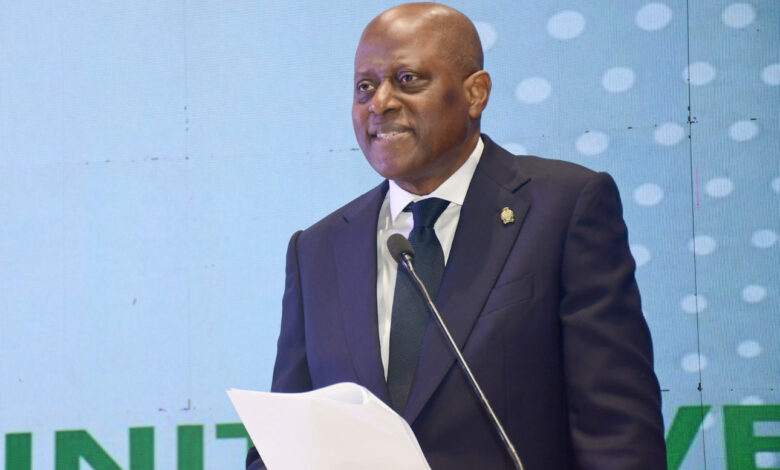
The revised manual, unveiled by the Governor of the CBN, Mr. Olayemi
Cardoso, will take effect from June 1, 2026.
According to the apex bank, the updated manual aligns with international best
practices and reflects ongoing reforms targeted at modernising Nigeria’s foreign
exchange administration and reinforcing macroeconomic stability.
The development comes amid continued efforts by the monetary authorities to
stabilise the naira, improve market integrity and restore confidence in the
country’s FX market.
Speaking during the unveiling, Governor Cardoso described the revised
framework as a critical step towards ensuring consistency, transparency and
credibility in foreign exchange transactions across the banking sector.
“The revised Manual aligns with international best practices and reflects the
CBN’s commitment to modernising FX administration, reinforcing market
confidence, and strengthening Nigeria’s macroeconomic foundations,” Cardoso
stated.
The CBN Governor disclosed that the document was developed through
extensive stakeholder consultations and rigorous technical reviews involving
key operators and industry participants.
According to him, the manual would be distributed free of charge to authorised
dealers to ensure smooth implementation and compliance across the foreign
exchange market.
Cardoso stressed the need for professionalism, accountability and fairness
among market participants, noting that effective monitoring mechanisms would
remain essential to sustaining confidence in the FX market.
He said, “Professionalism, accountability, fairness, and strong monitoring
frameworks are critical to sustaining the credibility and stability of Nigeria’s
foreign exchange market.”
Industry analysts say the revised FX Manual could provide clearer operational
guidelines for authorised dealers, improve regulatory oversight and support
ongoing efforts to attract foreign capital inflows into the Nigerian economy.
The unveiling also signals the CBN’s determination to deepen reforms within
the foreign exchange market as part of broader economic stabilisation measures
under the current monetary policy framework.



