

By Joy Onu
The latest Ebola outbreak spreading across parts of Central and East Africa is rapidly evolving beyond a regional health concern into a broader test of Africa’s epidemic preparedness, border coordination and emergency response capacity.
With infections linked to the rare Bundibugyo strain of the virus now reported in both the Democratic Republic of the Congo and Uganda, public health authorities are increasingly warning that delayed containment could place additional pressure on already fragile healthcare systems across the continent.
The situation prompted the Africa Centres for Disease Control and Prevention to declare the outbreak a Public Health Emergency of Continental Security, a move analysts describe as both a medical and strategic response aimed at preventing another cross-border health crisis.
Unlike previous Ebola outbreaks dominated by the Zaire strain, experts say the current situation presents a more complicated challenge because there is no approved vaccine or targeted treatment for the Bundibugyo variant. That reality has intensified concerns among global and African health agencies over how quickly the disease could spread if surveillance systems weaken or infected cases move undetected across borders.
The outbreak has also exposed long-standing structural vulnerabilities within parts of Africa’s public health system, particularly in conflict-prone and highly mobile regions where insecurity, displacement and weak medical infrastructure continue to complicate emergency interventions.
For Nigeria and several other African countries with large urban populations and busy international transport corridors, the outbreak has renewed conversations around preparedness rather than panic.
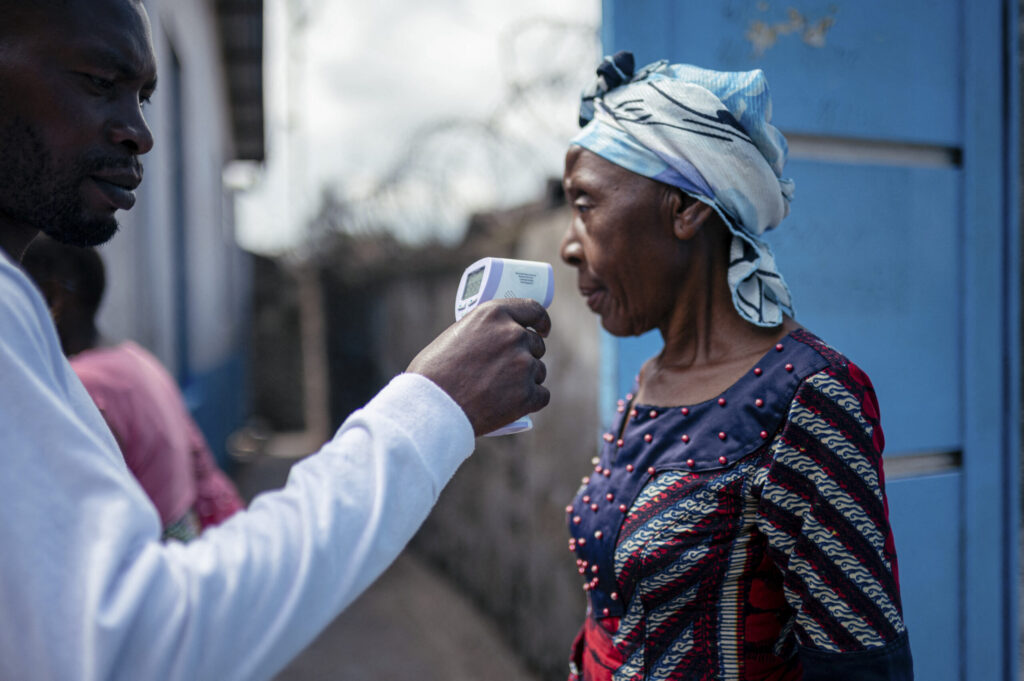
The Nigeria Centre for Disease Control and Prevention says there is currently no confirmed Ebola case in the country, but health authorities have intensified surveillance operations at airports, land borders and other entry points as part of preventive measures.
Public health monitoring has equally been strengthened within densely populated cities including Abuja, Lagos and Kano, where officials believe rapid detection would be critical in preventing widespread transmission if an imported case eventually emerges.
Nigeria’s response reflects lessons learned from the country’s 2014 Ebola containment experience, which remains one of Africa’s most referenced examples of rapid emergency coordination. Health experts say that outbreak demonstrated the importance of early isolation, aggressive contact tracing, public communication and cooperation between government agencies.
However, analysts warn that the continent now faces a more interconnected risk environment than it did a decade ago. Increased regional migration, urban overcrowding, economic pressure and cross-border commercial movement have significantly expanded the speed at which infectious diseases can travel across countries.
The latest outbreak has, therefore, triggered renewed calls for African governments to invest more aggressively in disease surveillance systems, emergency laboratories, health workforce training and local vaccine research capacity rather than relying heavily on external intervention after outbreaks escalate.
Director-General of Africa CDC, Jean Kaseya, said the declaration was intended to mobilise coordinated continental action and reinforce collective responsibility among African states.
Health experts also note that the implications extend beyond Africa. Although Ebola is not airborne and spreads mainly through direct contact with infected bodily fluids, global health authorities remain cautious because modern travel networks can move infectious diseases across continents within hours.
The World Health Organization and Africa CDC are currently coordinating response operations through a joint emergency framework focused on surveillance, laboratory support, logistics, risk communication and regional preparedness.
Beyond emergency response, the outbreak is once again drawing attention to wider debates around global health funding, medical inequality and Africa’s dependence on imported vaccines and outbreak-response tools.
For many public health observers, the current Ebola situation is not only a warning about infectious disease threats, but also a reminder that health security in one region can rapidly become an international concern if preparedness gaps are ignored.
While authorities insist there is no immediate cause for alarm in Nigeria, experts maintain that vigilance, public awareness and sustained investment in health systems may determine how effectively African countries manage future outbreaks in an increasingly connected world.


