Joel Ajayi
The leadership of Football Administration in the Federal Capital Territory (FCT) has called for increased private sector investment and the establishment of a dedicated sports development tax fund to strengthen grassroots football and improve sporting infrastructure across Nigeria.
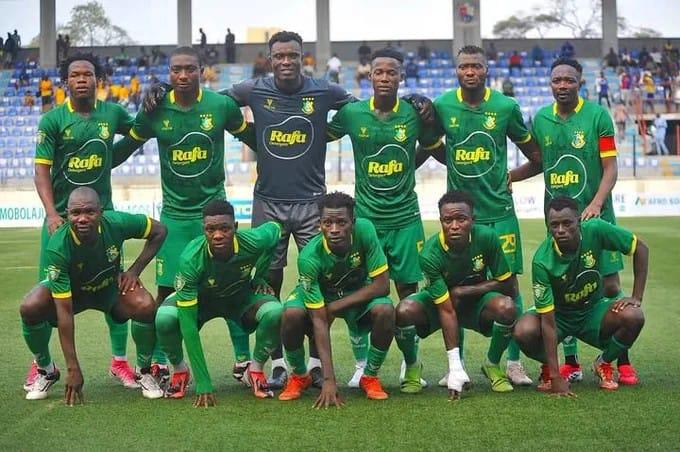
Speaking during a media parley with sports journalists on Thursday in Abuja, the Chairman of the FCT Football Association, Alhaji Adam Mouktar Mohammed, said the territory has recorded notable progress in organising competitions and attracting top Nigerian clubs such as Enyimba FC, Rangers International FC, and Kano Pillars to participate in local tournaments.
He noted that the FCT league system remains stable and competitive, with growing participation across various divisions. However, he expressed concern that many FCT-based clubs continue to struggle to secure promotion to the Nigerian top flight due to structural and financial constraints.
According to him, the key challenge facing clubs is not a lack of talent but sustainability, as most teams lack consistent sponsorship, long-term planning, and professional management structures compared to more established and state-backed sides.
He observed that Nigerian football is gradually shifting towards privately owned club models that offer stronger long-term development prospects, citing Remo Stars as a successful example of sustained private investment shaping modern football growth in the country.
The FCT FA boss also raised concerns over the poor state of sports infrastructure in the territory, describing the shortage of functional pitches and the abandonment of facilities as a major setback to grassroots development. He warned that without adequate infrastructure, Nigeria risks continued inconsistency in talent production at both national and international levels.
To address these challenges, he proposed the creation of a sports development tax fund similar to the education tax model, which he said would provide sustainable financing for training centres, regional sports hubs, and community sporting facilities nationwide.
He further stressed the need to protect existing sports grounds from encroachment and conversion to commercial use, noting that many school and community pitches are rapidly disappearing.
He reaffirmed the FCT’s collaboration with the Nigerian Football Federation (NFF), highlighting its role in hosting league and Federation Cup matches as well as supporting national team development programmes.
He concluded by calling for stronger cooperation between government, private investors, and the media to rebuild sports infrastructure and secure the future of grassroots football in Nigeria.