

By Joy Onu
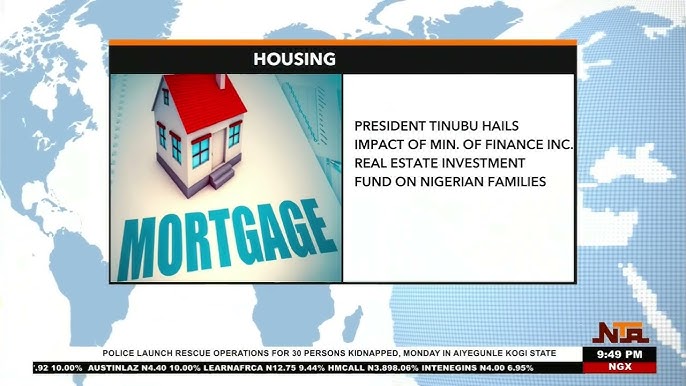
The Tinubu Media Volunteers (TMV) has hailed the disbursement of N128 billion mortgage funding to 1,859 Nigerian families under the Ministry of Finance Incorporated Real Estate Investment Fund (MRIEF), describing it as a practical signal of the Federal Government’s push to turn housing policy into real ownership opportunities, with ripple effects expected across civil service, the informal sector, and the wider economy.
The group said the intervention, which spans 25 states across the six geopolitical zones, reflects what it called a “quiet but steady shift” in Nigeria’s housing finance landscape under President Bola Tinubu, with more citizens now able to access structured mortgage support previously out of reach for many, particularly salaried workers and middle-income earners long constrained by high entry costs.
TMV noted that the beneficiaries have begun accessing long-term mortgages structured with a 20-year repayment period, a fixed interest rate of 9.75 per cent per annum, and a 10 per cent equity contribution, terms it described as more predictable and stable compared to past housing finance options in the country, especially for workers on fixed incomes and families seeking long-term housing security.
According to the group, the rollout goes beyond policy announcements, pointing to what it called an emerging execution phase of the Renewed Hope housing framework, where financing instruments are being deployed alongside housing construction programmes to widen access to homeownership and gradually stimulate related sectors such as construction, building materials, and real estate services.
It added that the initiative complements other federal interventions such as the Renewed Hope Cities and Estates Programme, as well as social housing schemes designed to reduce the widening gap between housing demand and supply, with potential knock-on effects for employment, urban development, and local economic activity in participating states.
The support group also commended the structure of the fund managed through the Ministry of Finance Incorporated Real Estate Investment Fund (MRIEF), arguing that it demonstrates a stronger alignment between fiscal policy, financial inclusion objectives, and housing delivery mechanisms, particularly in a market where access to long-term credit has remained a major bottleneck.
TMV maintained that the spread of beneficiaries across states and regions reflects an inclusive approach aimed at addressing housing inequality, especially among middle-income earners who often fall between expensive commercial mortgages and limited public housing options, including civil servants, small business operators, and young professionals entering the housing market.
It urged continued expansion of similar financing windows, saying sustained interventions would be key to easing Nigeria’s housing deficit and strengthening long-term economic stability through increased homeownership, improved urban planning outcomes, and broader economic participation tied to the housing value chain.



