

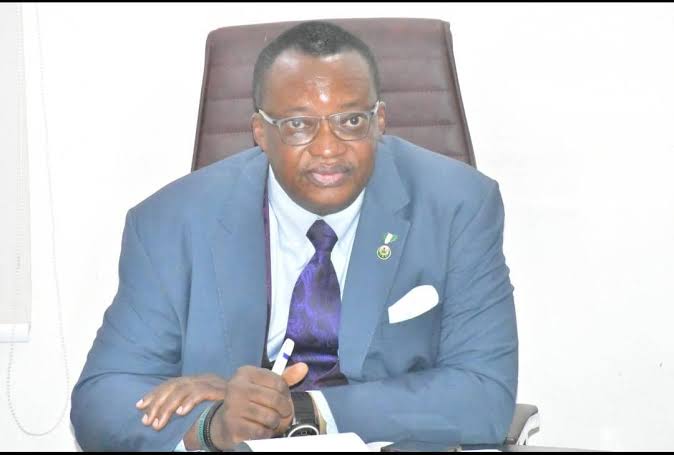
The Fiscal Responsibility Commission (FRC), has listed the gains inherent in Nigeria’s new tax reforms to include improving revenue collection, transparency and accountability in public financial management.
Mr Charles Abana, Acting Chairman of the FRC, in an interview with the News Agency of Nigeria (NAN) at the weekend in Abuja, said that the recent tax reforms would strengthen revenue administration and support better governance across the country.
Abana, therefore, charged Nigerians to embrace tax compliance, as the reforms would improve service delivery and accountability. He commended the federal government for introducing the reforms, adding that it would as well modernize the country’s tax system.
He noted that many previous tax laws no longer reflected the current economic realities. According to him, technological innovations and emerging businesses created the need for updated tax laws.
The Acting Chairman said the Commission supported measures that promote efficiency in revenue collection, adding that the FRC was mandated to ensure compliance with global best practices.
He said that the reforms would improve transparency in tax administration and public finance management, while noting that taxes remain a major source of government revenue.
“Accountability in tax collection and spending is essential for public trust. The commission contributed ideas during consultations that preceded the reforms. Some of the commission’s recommendations were reflected in the new laws,” he said.
Abana emphasised the need for proper management of revenues generated through taxation, adding that many Nigerians still required more information about the reforms.
He called for wider public enlightenment on the objectives of the new tax system, describing the tax reforms as a “positive step toward improving revenue generation in the country.”
Abana urged government agencies, civil society groups, media organizations and other relevant stakeholders to support the sensitization efforts. He said enlighten campaigns should be conducted in English and local languages, while noting that improved understanding would encourage voluntary tax compliance.
Abana expressed confidence that sustained awareness would help Nigerians embrace taxation as a civic responsibility. While speaking on digitization and collaboration, Abana noted that technology would strengthen monitoring, transparency and accountability in public finance management.
He said that digital tools and effective collaboration with key agencies would improve oversight of public finances and revenue management, adding that technology remained vital to effective service delivery.
“Technology allows faster tracking of government revenues and expenditures. Financial information can now be monitored more efficiently. Government agencies are increasingly adopting digital processes. Technology helps reduce errors and improves accountability. The commission is developing customized platforms to support its operations,” he said.
The chairman said that the commission was working with software developers to improve its systems. He noted that technology would strengthen the commission’s monitoring capacity and promote the efficient and prudent management of public resources.
According to him, technology adoption forms part of the commission’s strategic plan, the commission also plans stronger cooperation with key government institutions.
“We work closely with agencies responsible for finance and debt management. As we all know, collaboration improves information sharing and policy implementation. Our partnership with relevant stakeholders has effectively promoted fiscal accountability,” he said.



