By Joel Ajaiye
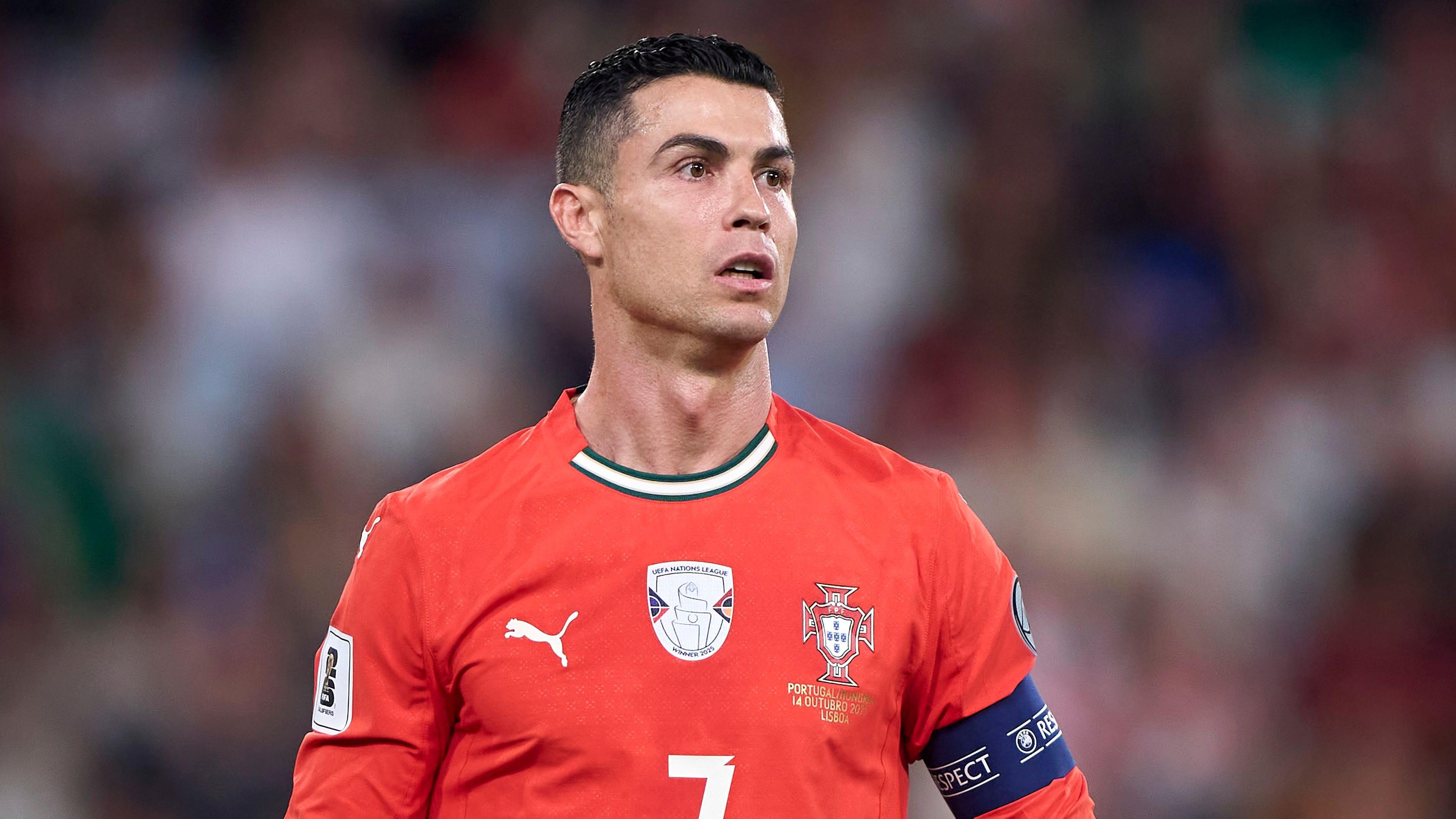
The debate over Cristiano Ronaldo’s role in the Portugal national team has returned ahead of the 2026 World Cup, raising a familiar but increasingly complex question: are Portugal better without their greatest-ever player, and should he still be guaranteed a starting place?
Ronaldo’s journey with the national team began in 2003 during a modest 1–0 friendly win over Kazakhstan.
At the time, few could have predicted that the Madeira-born forward would go on to become international football’s all-time leading scorer with 143 goals and feature at a record sixth World Cup in 2026 alongside Lionel Messi and Guillermo Ochoa.
Over two decades later, the 41-year-old remains the defining figure in Portuguese football, credited with transforming the nation’s global football identity and ambitions.
Former coaches and teammates insist his influence extends beyond statistics, with Joao Aroso noting that Ronaldo helped place “a small country on the world map.”
However, scrutiny over his continued importance has intensified since the 2022 World Cup. Critics argue that Portugal have evolved tactically and may function more fluidly without him.
Notably, emphatic wins such as a 9–0 victory over Luxembourg and a 9–1 rout of Armenia came during matches he did not play.
Portugal coach Roberto Martinez has strongly defended Ronaldo’s inclusion, pointing to his recent scoring record of 25 goals in 31 matches. He insists selection is based on current performance rather than legacy.
Supporters of Ronaldo highlight his experience, leadership, and ability to decide major matches, while acknowledging that his pace and physical dominance have declined.
With Ronaldo confirming that 2026 will be his final World Cup, Portugal must balance sentiment and strategy as they aim for their first-ever global title. Whether he starts or not, his presence remains one of the tournament’s most defining storylines.