By Joel Ajaiye
Although the Super Eagles of Nigeria did not qualify for the ongoing 2026 FIFA World Cup in North America, the nation remains strongly represented both on and off the pitch.
Nigeria’s influence has been visible in entertainment segment of the tournament, with popular artistes such as Burna Boy, Rema, and Davido featuring prominently in opening ceremonies and countdown events across host cities in the United States and Mexico.
Their participation reflects Nigeria’s growing cultural footprint, placing it among the few non-host nations with such high-profile visibility at the event.
On the football field, the presence of Nigerian-born and Nigerian-heritage players has been even more striking.
More than 15 players of Nigerian descent are representing different countries at the tournament, a significant increase compared to the 2022 FIFA World Cup in Qatar.
This growth highlights the expanding global influence of Nigerian football talent] and the increasing number of dual-nationality players excelling on the world stage.
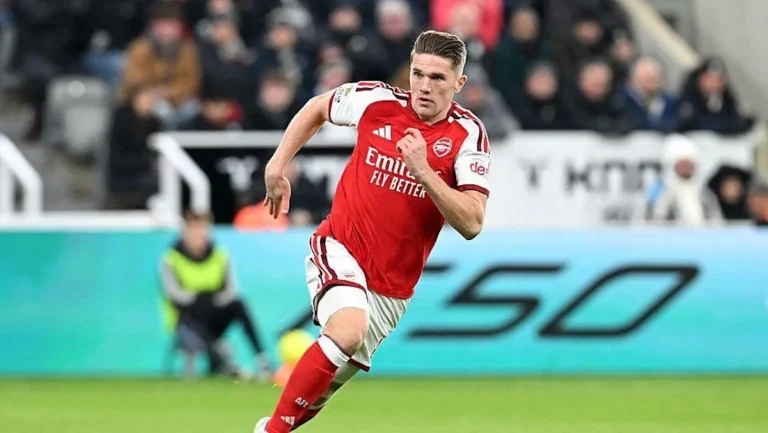
Among the standout names are Bukayo Saka, Jamal Musiala, Michael Olise, and David Alaba, all of whom continue to deliver impressive performances for their respective national teams. Their contributions have been vital to some of the tournament’s strongest sides.
Other notable players of Nigerian heritage are also making their mark across multiple squads.
England features talents such as Eberechi Eze and Noni Madueke, while Germany also includes Felix Nmecha alongside Musiala.
France benefits from the creativity of Olise, and Austria relies heavily on the leadership of Alaba.
The United States’ squad includes Folarin Balogun, while Switzerland boasts Manuel Akanji and Noah Okafor. Norway’s Antonio Nusa, Canada’s Jonathan David, Owen Goodman, and Tani Oluwaseyi, as well as South Africa’s Ime Okon, further demonstrate the depth of Nigerian-origin talent across continents.
These players collectively underline a compelling reality: even in Nigeria’s absence from the competition, Nigerian heritage remains deeply embedded in global football excellence.
From Europe to North America and beyond, Nigeria’s diaspora players continue to elevate the standard of play at the world’s biggest football stage.
Ultimately, the 2026 World Cup tells a powerful story of identity and global mobility. While Nigeria awaits a return to the tournament, its sons abroad are already shaping the narrative of football’s present and future on the global stage.