

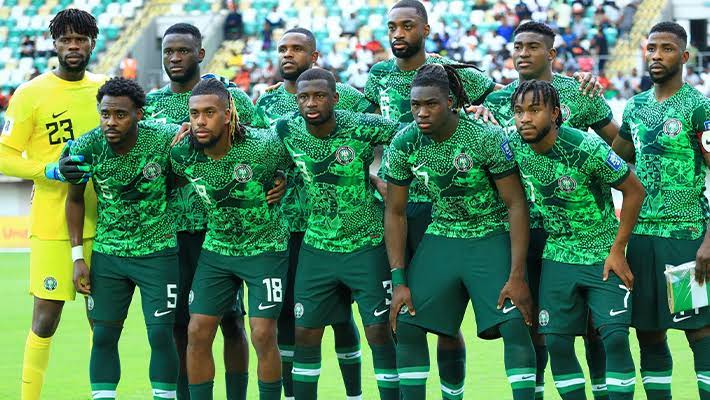
Over the years, Nigeria has lived on the strength of its immense sporting potential but that has too often been undermined by poor administration.
Every major national and international competition has become a familiar script: delayed preparations, late release of funds, uncertainty over athletes’ allowances and bonuses, administrative confusion and, ultimately, post-event blame games.
As Team Nigeria prepares for the Commonwealth Games and begins the journey toward the 2028 Olympic Games, the country stands at a defining moment. The conversation can no longer revolve around what went wrong after every competition. It must now focus on what is being done right before the athletes’ step onto the field of play.
Nigeria has never lacked sporting talent. From athletics and wrestling to basketball, football, weightlifting, badminton and para sports, the nation continues to produce athletes capable of competing with—and defeating—the world’s best. What has consistently held them back is not lack of ability but failure of the system designed to support them.
For too long, athletes have been forced to battle more than their opponents. They have endured late camping, inadequate training facilities, poor logistics, delayed allowances, uncertain bonuses and welfare concerns that no elite athlete should face.
Excellence cannot thrive in an atmosphere of uncertainty. No nation can expect podium finishes while subjecting its athletes to unnecessary distractions.
There are, however, encouraging signs that the tide may finally be turning. The establishment of the National Sports Commission (NSC) under the administration of President Bola Tinubu represents a significant institutional shift.
More importantly, the leadership of the Commission, led by Chairman Shehu Dikko and Director General Bukola Olopade, has articulated a vision that moves beyond ceremonial declarations. Their emphasis on repositioning sports as a business with attendant benefits rather than merely a government expenditure reflects the kind of strategic thinking Nigerian sports has long needed.
Equally commendable is the Commission’s commitment to early planning, grassroots development, private-sector investment, improved governance and athlete welfare. These are not merely desirable reforms; they are essential ingredients for sustained sporting success.
Yet, vision alone does not produce champions. Policies must be translated into measurable action. Athletes require uninterrupted preparation, quality coaching, access to sports science and medicine, regular international exposure and, above all, the confidence that promises made to them will be honoured without delay.
Funding should arrive before competitions not after them. Training grants, insurance, allowances and performance bonuses must cease to be matters of prolonged negotiations.
Nothing erodes an athlete’s confidence faster than uncertainty. Nigeria’s sporting history is littered with instances where rewards promised for exceptional performances arrived months—or even years—after the celebrations had faded. Such delays weaken trust, dampen morale and undermine future performances. Athletes who dedicate their lives to bringing honour to the nation deserve a system that values their sacrifices through prompt and transparent fulfilment of every commitment.
Administrative efficiency is, therefore, no longer optional; it is vital. The responsibility, however, does not rest solely with administrators. Nigeria’s athletes must continue to embrace professionalism, discipline and accountability. A new generation has already begun setting admirable examples. Stars such as Tobi Amusan, Ese Brume, Kayinsola Ajayi and many others have demonstrated that Nigerian excellence remains globally respected despite difficult circumstances. Their achievements should inspire the next generation to understand that talent, while essential, is only one part of success.
Modern sport rewards preparation, discipline, resilience and mental strength as much as natural ability. Every athlete privileged to wear Nigeria’s colours must recognise the enormous responsibility that accompanies national representation. Commitment to training, respect for coaches, adherence to professional standards and unwavering focus must remain non-negotiable.
Nigeria must fully embrace sports as a strategic driver of economic growth, tourism, youth development, job creation and national unity.
Around the world, sporting activities have evolved into multi-billion-dollar industries that generate employment across coaching, broadcasting, media, hospitality, merchandising, event management and sports technology. There is no reason Nigeria cannot harness similar opportunities.
Realising that vision, however, demands accountability across the entire sporting ecosystem. Sports federations must embrace transparency and prudent management. Government must ensure the timely release of funds.
Corporate organisations should deepen their investment in sports development through sponsorship and partnerships. The media must continue to provide constructive scrutiny while celebrating genuine progress. Supporters, too, have a role to play by embracing domestic competitions and encouraging local talent.
The expectations are, therefore, higher than ever. With stronger institutional leadership, improved planning and renewed government attention, Nigerians have every right to expect better performances at future international competitions. They expect administrators to deliver on their promises, athletes to compete with confidence and officials to place national interest above personal considerations.
The familiar excuses that once accompanied disappointing performances can no longer be acceptable. The era of late preparations, delayed funding, poor coordination and broken promises must give way to professionalism, accountability and excellence.
Nigeria possesses the talent, the population, the passion and the potential to become one of the world’s leading sporting nations. What has been missing is the discipline to match ambition with execution.
The mandate before every stakeholder is unmistakable: prepare early, fund adequately, honour commitments promptly and create an environment where athletes can focus solely on winning. Only then will Nigeria consistently realise its enormous sporting potential. The era of rhetoric must end. The era of results must begin.



