

By Emmanuel Eko
The once-thriving automobile hub in Abuja is facing an escalating environmental challenge as roadside refuse dumps continue to spread across Apo Mechanic Village, raising concerns over sanitation, public health and the safety of residents, traders and motorists.
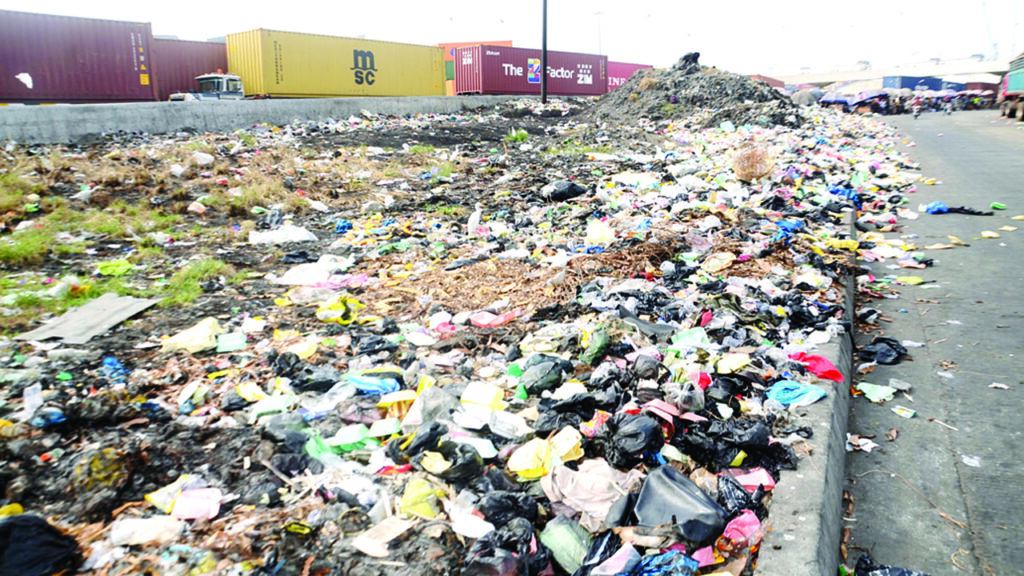
A visit to the area showed heaps of waste littering roadsides, drainage channels and open spaces, with discarded vehicle parts, used engine oil containers, worn-out tyres, plastics, food waste and metal scraps competing for space with commercial activities.
For a community known for automobile repairs, spare parts trading and mechanical services, the growing waste problem has become a major concern.
The accumulation of refuse has not only affected the appearance of the environment but has also created unpleasant conditions for workers, customers and residents who interact with the area daily.
The situation becomes more disturbing during hot weather and rainy periods, as decomposing waste produces offensive smells while stagnant water around refuse heaps provides breeding grounds for mosquitoes and other disease-carrying insects. Residents fear that continued neglect of the waste challenge could increase the risk of sanitation-related illnesses.
The blockage of drainage channels by indiscriminately dumped refuse has also raised concerns about flooding, particularly during periods of heavy rainfall. Waste materials thrown into drainage pathways restrict water flow, creating conditions that could worsen flooding and environmental degradation.
Environmental experts have warned that poor disposal of mechanical waste, including used oil, batteries and chemical materials, could pose serious risks to the ecosystem. When improperly managed, such waste may contaminate soil and underground water sources, affecting both human health and the environment.
Stakeholders identify several factors responsible for the persistence of roadside dumpsites in Apo Mechanic Village. Among them are inadequate waste disposal facilities, irregular evacuation of refuse and poor adherence to environmental regulations.
Some traders and mechanics say the absence of sufficient waste bins and collection points has made proper disposal difficult, while delays in waste evacuation often led to the accumulation of garbage in open areas.
However, concerns have also been raised over the attitude of some operators who continue to dispose of waste indiscriminately despite the environmental consequences. Observers say weak enforcement of sanitation rules has allowed the practice to continue unchecked.
To address the situation, stakeholders have called on the Abuja Environmental Protection Board (AEPB) and other relevant agencies to intensify waste management efforts in the area through regular refuse evacuation, improved sanitation monitoring and the provision of adequate disposal facilities.
There are also calls for stronger collaboration with mechanic associations, traders and community leaders to promote environmental awareness and encourage responsible waste disposal practices.
Experts believe recycling initiatives could provide part of the solution by converting materials such as metal scraps, plastics and used tyres into economic opportunities while reducing the volume of waste generated.
Mechanical associations and business owners, they say, must also take ownership of the environment by organising regular sanitation exercises and ensuring that workshops maintain acceptable hygiene standards.
As Apo Mechanic Village continues to serve as a major automobile service centre in Abuja, stakeholders insist that restoring environmental cleanliness is crucial not only for public health but also for sustaining business activities and improving the overall image of the community
.
They maintain that with a coordinated effort from government authorities, operators and residents, the menace of roadside refuse dumps can be effectively tackled and a cleaner, safer Apo Mechanic Village achieved.



