

By Joy Onu
The adoption of a regional roadmap for correctional reforms in Abuja has placed Nigeria at the centre of Africa’s drive to modernise prison administration through improved inmate classification, the responsible use of technology and stronger rehabilitation programmes.
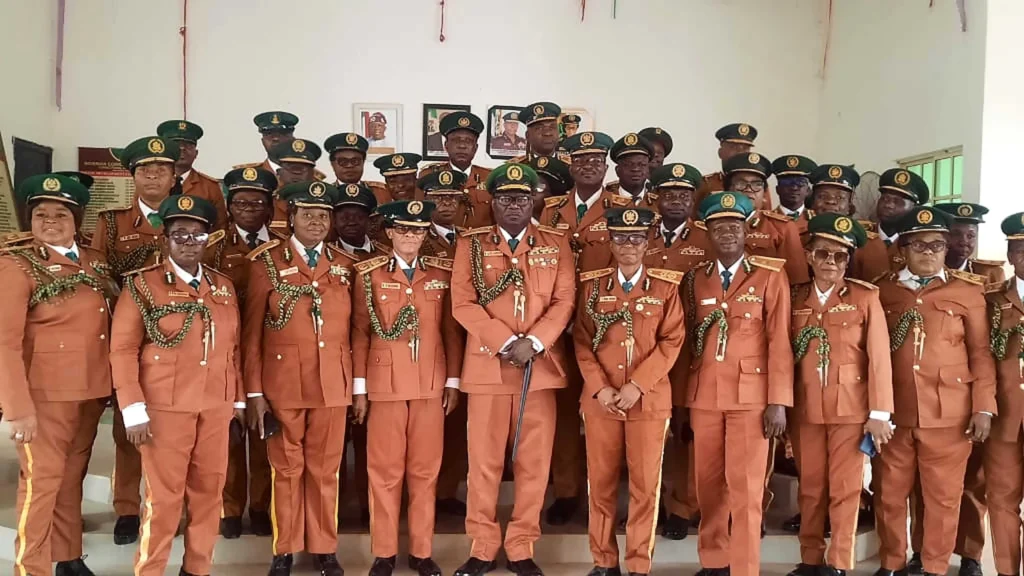
At the heart of that commitment is the Nigerian Correctional Service (NCoS), whose Controller-General, Sylvester Ndidi Nwakuche, says the Service will translate the resolutions of the just-concluded Regional Conference on Prisoner Classification and the Use of Technology in Prison Settings in Africa into concrete policies and operational reforms aimed at strengthening correctional administration in Nigeria.
Nwakuche made the commitment at the close of the three-day conference in Abuja, where participating countries unanimously adopted a communiqué and a shared roadmap designed to strengthen prisoner classification systems, expand the responsible use of technology in prison management and promote secure, humane and rehabilitation-focused correctional systems across Africa.
The conference reflected a growing recognition among African correctional authorities that effective prison management now extends beyond custody to rehabilitation, reintegration and the use of technology to improve security, accountability and service delivery.
In a statement issued on Friday by the Service Public Relations Officer of the Nigerian Correctional Service, Chief Superintendent of Corrections JN Osuji, the conference, organised by the NCoS in collaboration with the United Nations Office on Drugs and Crime (UNODC) and the African Correctional Services Association (ACSA), brought together Heads of Correctional Services, policymakers, criminal justice experts, development partners and delegates from 11 African countries.
The meeting focused on prisoner classification, technology-driven prison management and strategies to improve the rehabilitation and reintegration of inmates across the continent.
Describing the conference as a major milestone in Africa’s collective pursuit of modern, secure and humane correctional systems, Nwakuche said extensive deliberations and technical sessions produced practical, forward-looking recommendations that would strengthen prisoner classification systems, encourage the responsible deployment of technology and improve offender rehabilitation across African correctional institutions.
He said the Nigerian Correctional Service was committed to implementing the conference resolutions through concrete policy and operational reforms.
“The Nigerian Correctional Service will domesticate the outcomes of this conference and ensure that its recommendations are translated into actionable policies and programmes. We remain committed to building correctional institutions that are secure, humane, technology-driven and aligned with international best practices,” he said.
According to the Controller-General, technology has become an indispensable tool in modern correctional administration, but its effectiveness depends on competent personnel, efficient data management, institutional accountability and sustained collaboration among criminal justice stakeholders. He added that these priorities align with the Federal Government’s Renewed Hope Agenda.
Nwakuche also expressed appreciation to the Minister of Interior, Dr. Olubunmi Tunji-Ojo, for his support for ongoing correctional reforms. He acknowledged the contributions of UNODC, ACSA, the United States Bureau of International Narcotics and Law Enforcement Affairs (INL), the International Committee of the Red Cross (ICRC) and other development partners to the success of the conference.
Development partners described the Abuja gathering as more than another regional meeting, saying it marked a shift from discussions about correctional reform to practical implementation.
Speaking on behalf of UNODC, the organisation’s Inter-Regional Adviser and Team Leader on Prison and Penal Reform, Philipp Meissner, commended Nigeria’s progress in strengthening prisoner classification under the leadership of the Controller-General.
According to him, the conference demonstrated that African correctional services have moved beyond discussing reforms to implementing practical solutions capable of transforming correctional administration across the continent.
“This conference is not about laying foundations; it is about building on success. We now have practical tools, stronger partnerships and correctional systems that continue to evolve through collaboration and shared learning,” Meissner said.
He added that the conference, held to commemorate Nelson Mandela International Day, reaffirmed Africa’s commitment to the United Nations Standard Minimum Rules for the Treatment of Prisoners, popularly known as the Mandela Rules, and the promotion of dignity, justice and rehabilitation within correctional institutions.
Presenting the conference communiqué on behalf of participating countries, ACSA Principal Official, Dr. Francis Omene, said the document reflected a collective commitment to strengthen prisoner classification systems, enhance regional information sharing, invest in staff capacity development, expand the use of technology in prison management and align correctional practices with the Mandela Rules and other international standards.
Omene commended the Federal Government for creating an enabling environment for regional cooperation in correctional administration and acknowledged the commitment of the Minister of Interior, the Nigerian Correctional Service, UNODC, the United States Embassy, INL and other development partners towards advancing correctional reforms across Africa.
Responding on behalf of participating delegations, ACSA Vice Chairman, Sabila Sawadogo, described the Abuja conference as one of the most impactful correctional gatherings on the continent in recent years.
He applauded the Federal Government and the Nigerian Correctional Service for successfully hosting the event, while commending Nwakuche for his leadership and the Minister of Interior for providing strategic direction to Nigeria’s correctional reforms.
Sawadogo also appreciated the continued support of UNODC, ACSA, ICRC and other partners in promoting correctional development across Africa.
“Every correctional officer is a manager of human beings, not just a warden,” he said, urging correctional institutions across the continent to sustain collaboration, embrace innovation and continue sharing best practices to address emerging correctional challenges.
The communiqué adopted at the end of the conference commits participating countries to deepen regional cooperation, institutionalise effective prisoner classification systems, promote the responsible use of technology in correctional administration and strengthen rehabilitation-focused correctional systems across Africa.
Beyond the resolutions adopted in Abuja, the conference underscored a broader commitment by African nations to build correctional systems that are safer, more humane and better equipped to prepare offenders for successful reintegration into society. For Nigeria, the successful hosting of the conference further reinforces its leadership in correctional reforms and its commitment to fostering regional partnerships that promote public safety, human dignity and sustainable criminal justice development across the African continent.



