

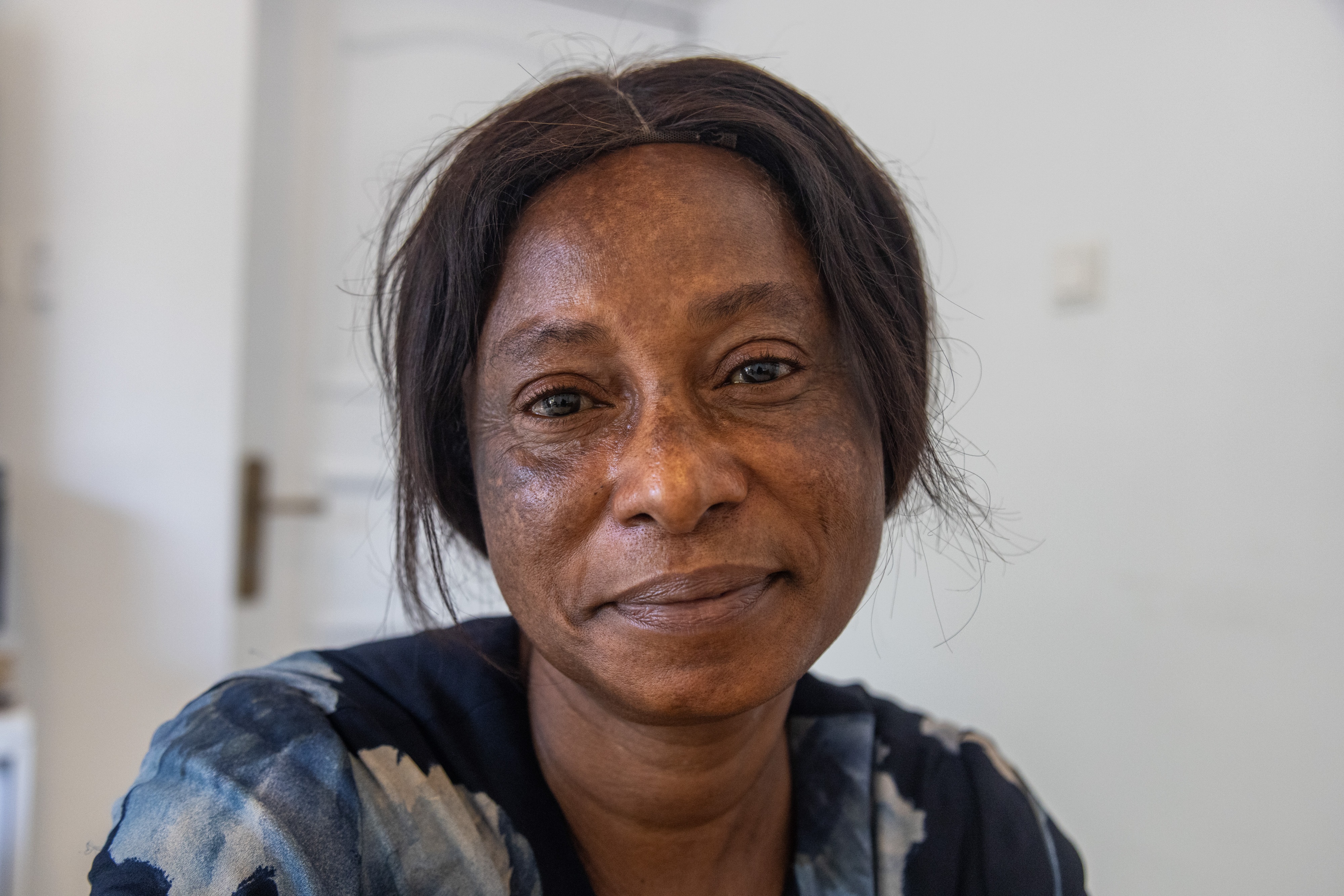
By Joy Onu
For generations, the pursuit of lighter skin has remained a visible part of Nigeria’s beauty culture. What began decades ago with creams, soaps and homemade mixtures passed through families and social circles has transformed into a sophisticated industry of lotions, oils, supplements, injections and online beauty products promising a “perfect glow.”
Yet, beneath the attraction of a brighter complexion lies a deeper national concern. Skin bleaching, once regarded largely as a personal beauty decision, has become a public health challenge that medical experts, regulators and global health authorities say requires urgent attention.
Across Nigeria’s major cities, including Lagos, Kano, Abuja and Port Harcourt, skin-lightening products continue to occupy shelves in cosmetic shops, beauty salons, pharmacies, open markets and online platforms. Products advertised as “brightening,” “toning,” “glowing” or “complexion-enhancing” attract thousands of consumers who believe lighter skin can improve appearance, confidence, social acceptance and even economic opportunities.
But health experts warn that behind the beauty promises is a practice driven by colourism, social pressure and unrealistic standards that has exposed many users to serious health consequences.
The World Health Organisation (WHO) has repeatedly raised concerns over harmful skin-lightening products, warning that some contain dangerous substances such as mercury compounds, which can cause damage to the skin, kidneys and nervous system. The global health body has also highlighted the risks of mercury exposure during pregnancy, particularly to unborn children.
In Nigeria, the Federal Ministry of Health has similarly identified unsafe cosmetic products as a growing public health issue, calling for stronger regulation, improved consumer awareness and sustained education to reduce the health risks associated with harmful skin-lightening practices.
For dermatologists, the effects of the decades-old habit are increasingly appearing in clinics.
Prof. Dasetima Altraide, President of the Nigerian Association of Dermatologists, said skin bleaching should no longer be viewed merely as a beauty decision.
“Skin bleaching is not just a cosmetic choice; it is a serious health risk with devastating complications,” he warned.
According to him, dermatologists are seeing increasing cases of severe skin damage, treatment-resistant fungal infections, allergies, permanent skin injuries and complications affecting vital organs such as the liver and kidneys among users of unsafe bleaching products.
He said the growing number of complicated cases should serve as a warning that the consequences of prolonged skin bleaching extend beyond appearance.
Nigeria’s foremost drug regulator has also expressed concern over the continued spread of unsafe skin-lightening products, as NAFDAC Director-General, Prof. Mojisola Adeyeye, has repeatedly warned Nigerians against the indiscriminate use of bleaching products, stressing that the practice carries serious health risks. “Lightening of skin today could be cancer tomorrow,” she cautioned.
Adeyeye warned that continued exposure to harmful bleaching agents could make users susceptible to cancer and organ system toxicity. She also listed possible effects to include skin irritation, burns, rashes, allergies, premature skin ageing, prolonged wound healing and damage to vital organs.
Despite years of warnings by WHO, the Federal Ministry of Health, dermatologists and NAFDAC, skin bleaching remains widespread. Experts say the persistence of the practice is rooted in a combination of cultural beliefs, colourism, beauty ideals, social acceptance, peer influence, celebrity culture and aggressive marketing.
A dermatologist in government hospital in Abuja who chose to remain anonymous said lighter skin is often perceived beyond appearance.
“Many associate lighter skin with beauty or affluence,” she said, adding that some parents bleach their children “to protect their children from discrimination.”
He said such beliefs have helped sustain the demand for skin-lightening products despite growing awareness of the dangers.
For many Nigerians, the decision to bleach does not always begin with the desire to completely change their complexion. Some start by trying to remove acne scars, dark spots, uneven skin tone or other perceived imperfections. Others are influenced by friends, social media trends or beauty advertisements that promise confidence and acceptance.
Over time, dermatologists have said that what begins as a search for improvement can develop into a continuous cycle, as users pursue increasingly lighter complexions and become dependent on products that may gradually damage their skin.
The emotional and social pressures behind the practice are reflected in personal experiences.
One Rebecca Daniel in Wuse 2, Abuja told New National Star she started using bleaching products as a child without understanding what they contained. Just like many users, the early changes encouraged her. However, years later, she found stopping the practice difficult.
“I believe I started around 12 years old. She never clarified anything to me; I assumed it was just an ordinary cream, and I used it, within a week, I noticed changes. I started to appear lighter than before, I felt joyful. I believed I was becoming more attractive. I found it incredibly challenging to stop using them,” Daniel said.
Dermatologists say her experience reflects the psychological side of skin bleaching, where the temporary satisfaction of achieving a lighter complexion can create emotional dependence, even when users begin experiencing harmful effects.
Health professionals also say the issue is not simply about individual choices but about a society where skin tone can influence how people are treated.
Repeated comparisons within families, schools and social circles, combined with messages from entertainment, advertising and social media, can shape perceptions of beauty from childhood.
Some cases have shown that parents apply skin-lightening products to their children because they believe lighter skin may protect them from discrimination or improve their chances in life.
Talking to the New National Star Newspaper, Mrs Stella Igwebike, a resident of Lugbe described how family comparisons influenced her decision to bleach her children. She said the situation affected her emotionally, adding. “My sister gave birth to light-skinned children, while my own are darker, I noticed my mother prefers my sister’s kids, which hurt me greatly,” she recalled.
For health experts, such experiences show that skin bleaching is often connected to deeper issues of identity, acceptance and social perception.
Beyond the social pressures and personal experiences lies the medical reality of what skin bleaching does to the human body. The skin, the largest organ of the body, performs vital functions beyond appearance. It protects against infections, regulates body temperature, prevents excessive loss of body fluids and serves as a protective barrier against harmful environmental substances.
Dermatologists persistently warn that repeated exposure to harsh bleaching chemicals weakens this natural defence system, leaving the skin vulnerable to damage.
Many unregulated skin-lightening products contain substances such as hydroquinone, mercury compounds and potent corticosteroids. While these ingredients may temporarily suppress melanin production and produce a lighter appearance, experts say prolonged or excessive use can cause serious complications.
Medical specialists have linked unsafe bleaching practices to skin thinning, severe irritation, burns, stretch marks, acne flare-ups, chronic fungal infections, permanent discoloration, increased sensitivity to sunlight and delayed wound healing.
In more severe cases, doctors warn that toxic substances absorbed through the skin may affect internal organs, including the kidneys and liver, while some chemicals may contribute to hormonal imbalance and other long-term health problems.
Globally, the WHO has supported efforts to eliminate mercury-added skin-lightening products and strengthen controls on hazardous cosmetic ingredients. The organisation also advocates stronger consumer awareness, tighter regulation and improved product labelling to reduce exposure to harmful substances and protect public health.
However, experts say the attraction of skin bleaching has continued because the market itself has evolved. The pursuit of lighter skin has moved beyond traditional creams, soaps and lotions. Increasingly, some consumers are turning to oral supplements and injectable skin-lightening products, particularly glutathione-based formulations, believing they offer faster, more even or longer-lasting results.
Promoted online as “brightening drips,” “whitening injections” or “glow therapies,” some of these products are sold through informal beauty outlets, social media platforms and unregulated channels.
Dermatologists caution that scientific evidence supporting the effectiveness of such products for cosmetic skin lightening remains limited, while the risks can be significant when they are used without proper medical supervision, while warning that unregulated injections and supplements may expose users to complications including allergic reactions, infections, vein irritation, kidney strain and other health problems, particularly where the products are poorly labelled or administered outside approved healthcare settings.
The digital age has also transformed how bleaching products reach consumers, as social media platforms have become major marketplaces where influencers and online vendors promote skin-lightening oils, creams, serums and supplements using appealing language such as “natural glow,” “radiance,” “brightening” and “toning.”
Health experts say such marketing often disguises the difference between genuine skincare products and harmful bleaching agents, especially among young people who consume beauty content daily.
The influence of celebrities and online personalities has also normalised the practice, with some followers associating lighter skin with confidence, beauty and social success.
Regulators say controlling the online market has become one of the biggest challenges in tackling unsafe skin-lightening products. Unlike traditional shops, where inspections can easily identify sellers, online vendors operate through multiple accounts, private messaging platforms and temporary pages. Even when one account is removed, sellers can quickly resurface under another name, making enforcement increasingly difficult.
Some products are also marketed as “organic” or “natural,” creating the impression that they are safe, even when their ingredients are undisclosed, unverified or potentially harmful. Health experts warn that such labels can mislead consumers into believing they are buying harmless skincare products when, in reality, some may contain banned or hazardous bleaching agents.
To curb the spread of unsafe skin-lightening products, NAFDAC has stepped up public sensitisation, market surveillance and enforcement. The agency has organised awareness campaigns and media engagements to educate Nigerians about the dangers of bleaching, while carrying out inspections, product sampling, investigations and raids on manufacturers and distributors of illegal cosmetic products.
It has also partnered with stakeholders to reduce the circulation of mercury-added skin-lightening products, sealed illegal cosmetic factories and strengthened efforts to intercept unregistered products entering the market. NAFDAC maintains that cosmetic products containing banned bleaching agents or unsafe levels of restricted ingredients are prohibited in Nigeria.
Despite these interventions, enforcement remains challenging. NAFDAC Director-General, Prof. Mojisola Adeyeye, said many harmful products are mixed secretly in beauty salons and spas rather than displayed openly for sale.
“The challenge in the enforcement of these safety regulations on bleaching agents at spas and other beauty parlours is that the products are prepared extemporaneously and covertly for individual clients,” she explained.
Even so, harmful skin-lightening products continue to circulate in open markets and online, underscoring the difficulty of regulating a trade fuelled by strong consumer demand, social pressure and the rapid expansion of digital commerce.
The Federal Ministry of Health has consistently maintained that unsafe skin-lightening products should be treated as a public health concern rather than merely a cosmetic issue. The ministry has called for stricter regulation of cosmetic products, stronger market surveillance, sustained public education and greater consumer awareness of the health risks associated with harmful ingredients commonly found in bleaching products.
Public health experts, however, believe enforcement alone cannot end a practice that has been deeply rooted in Nigeria’s beauty culture for generations. They argue that while stronger regulation is essential, lasting progress will depend on changing the social beliefs that continue to fuel demand for lighter skin. Colourism, discrimination, unrealistic beauty standards and the perception that fairer skin brings greater acceptance, success or opportunity must be challenged alongside tougher enforcement.
For many advocates, the battle against skin bleaching is therefore not simply about removing dangerous products from shop shelves or online marketplaces. It is about reshaping attitudes, celebrating natural skin tones and breaking a cycle that has long linked complexion with beauty, privilege and social status.
As Nigeria intensifies efforts to curb the use of unsafe skin-lightening products, dermatologists, public health experts and regulators agree that the ultimate goal extends beyond preventing bleaching. It is about protecting lives, preserving healthy skin and building a society where confidence and opportunity are no longer measured by the colour of one’s complexion.



