

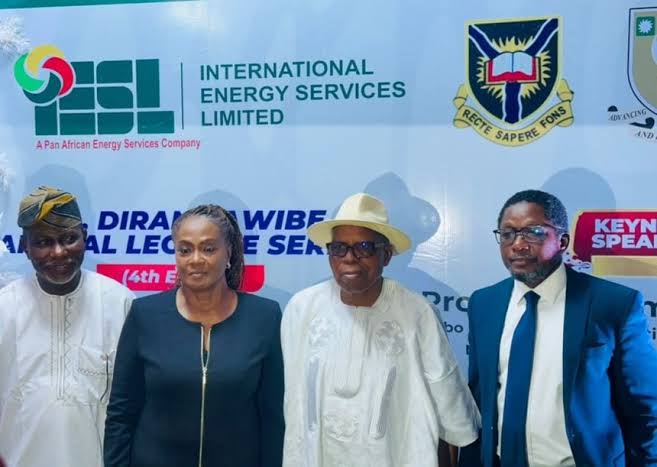
An energy expert, Mustapha Habu, has urged Nigeria to draw lessons from India’s reforms in the power sector to achieve sustainable energy development. Habu, Chief Executive Officer of ENGAUSA Global Tech Hub, made the call in an interview with the News Agency of Nigeria (NAN) on Monday in Kano.
He said India’s experience showed the importance of adopting policies that encourage private sector participation, promote renewable energy development and improve access to reliable electricity.
According to him, Nigeria can learn from India’s transformation following the Liberalisation, Privatisation and Globalisation (LPG) reforms of 1991.
“India dismantled excessive government controls, opened its economy to private enterprise and foreign investment, encouraged competition, facilitated technology transfer and integrated into the global economy. Nigeria must pursue reforms tailored to our realities”, Habu stated.
Habu urged Nigeria to adopt a deliberate long-term strategy that positioned solar energy as a driver of industrialisation, local manufacturing and innovation, rather than treating it as a quick fix to electricity challenges.
He said that renewable energy should be integrated into Nigeria’s broader development agenda, adding that “We must stop seeing solar energy only as a way to light homes. It should be the backbone of our industrial growth, our manufacturing base and our innovation ecosystem”.
He called on policymakers, industry players and academics to rethink Nigeria’s renewable energy strategy, emphasising the need for policy consistency, skills development and stronger collaboration among government, academia and industry.
The innovator said that India’s success was driven not only by reforms but also by sustained investments in education, engineering, research and industrial capacity.
The energy expert argued that Nigeria should pursue reforms that encouraged private sector participation, attract strategic investments, strengthen local manufacturing and promote technology transfer.
“Every solar panel, inverter, battery or charge controller manufactured locally creates jobs, conserves foreign exchange, enhances engineering capacity, stimulates innovation and deepens supply chains,” he said.
Habu advocated the adoption of a National Renewable Energy Industrialisation Roadmap with clearly defined short-, medium- and long-term objectives.
The energy expert explained that short-term priorities should focus on expanding renewable energy access, strengthening local assembly and developing technical skills.
Medium-term goals, he said, should emphasise increased local manufacturing, research and technology transfer, while the long-term objective should be to position Nigeria as Africa’s leading hub for renewable energy manufacturing and clean technology exports.
“Together, we can build a Nigeria where renewable energy not only powers our homes and businesses but also powers our industries, empowers our people and drives sustainable national prosperity,” Habu said.



