By Theodora Obayojie
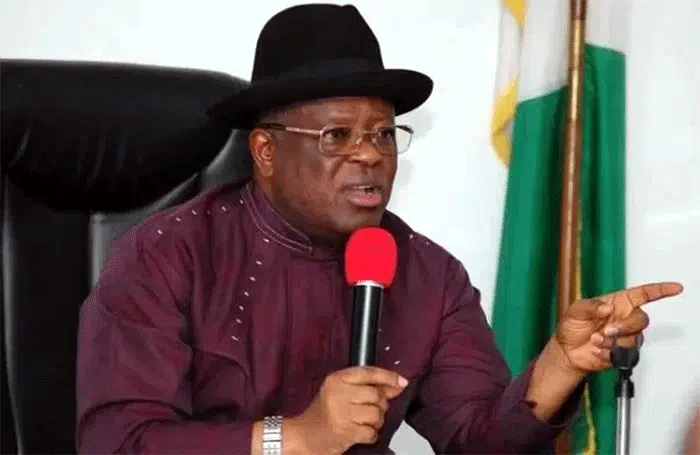
The Minister of Works, David Umahi, has said President Bola Tinubu is deliberately using infrastructure development to address longstanding concerns in the South-East and foster greater unity among the people of the region.
Umahi, a former governor of Ebonyi State, made the assertion on Thursday while highlighting ongoing federal projects in the South-East under the Tinubu administration.
According to the minister, the scale of infrastructure being delivered in the region should be viewed as part of a broader effort by the federal government to address its development needs.
He also credited his appointment as Minister of Works to the increased attention being given to projects in the South-East, arguing that his presence in the administration had helped ensure that the region’s infrastructure needs received greater consideration.
Umahi said Tinubu’s objective was not merely to execute projects but to address some of the grievances that have shaped the relationship between the South-East and the federal government.
“The President wants to bring the people of the South-East together,” he said, adding that the administration was working to “fix the problems” confronting the region.
The minister’s comments come amid continued debate over the level of federal infrastructure investment in the South-East and the extent to which ongoing projects can improve connectivity, trade, and economic activity across the region.
Beyond the South-East, Umahi also defended the administration’s infrastructure programme, particularly the Lagos-Calabar Coastal Highway, which has attracted criticism over its scope, cost, and implementation
Speaking at a press conference and stakeholders’ engagement on the coastal road project in Lagos, the minister dismissed claims that construction would stop around Epe.
He maintained that work had already moved beyond the Lagos axis and challenged critics to engage the government in a public debate over the project.
Umahi argued that the coastal highway was designed to open up economic opportunities across the country, including communities and states along the Niger Delta corridor.
He questioned why a project intended to connect major parts of the southern coastline should be opposed, insisting that the development of infrastructure in oil-producing areas should also form part of the country’s economic planning.
The minister further declared that states across the country were witnessing construction activity under the Tinubu administration.
His defence of the coastal highway comes as the federal government continues to position major road and transport projects as part of its strategy to improve the movement of people and goods, strengthen regional connectivity, and support economic growth.
For Umahi, the infrastructure programme represents a broader attempt to address regional development gaps while creating stronger economic links between different parts of the country.