

By SIMEON OGOEGBULEM
The Nigerian Railway Corporation (NRC) and the National Inland Waterways Authority (NIWA) have called for an integrated transportation system linking rail, road, maritime, inland waterways and aviation to unlock Nigeria’s economic growth potential.
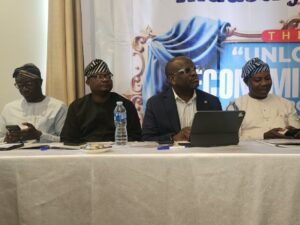
The organisations made the call at the Transport Correspondents Association of Nigeria (TCAN) 2026 Conference held yesterday in Lagos.
The Managing Director of NRC, Dr Kayode Opeifa, said transportation was not merely about moving people and goods, but a major driver of productivity, trade, industrial development, employment and national competitiveness across Nigeria. Opeifa, represented by his Special Assistant on Media, Mr Yinka Aderebigbe, noted that efficient logistics remained critical to the overall growth of the economy.
Opeifa told the audience at the conference with the theme “Unlocking Nigeria’s Economic Growth Through Transportation Logistics”, that an efficient transportation and logistics system will reduce business costs, connect producers with markets and strengthen economic activities across different regions of Nigeria.
“Rail transportation has a significant role in moving passengers and bulk freight over long distances, reducing highway pressure and lowering logistics costs nationwide. The NRC is strengthening freight operations while improving connectivity between railway lines, seaports, inland dry ports, industrial centres and major economic corridors nationwide,” he said.
Opeifa urged stronger public-private partnerships to attract investment in rolling stock, freight terminals, logistics hubs and related infrastructure, while encouraging regulations supporting efficiency and innovation. The NRC boss also stressed the need to protect railway tracks, bridges, signalling systems and other critical infrastructure from vandalism and encroachment through collective responsibility nationwide.
He said affordable and accessible transportation would improve Nigerians’ access to employment, markets and education. The NRC chief executive noted that transportation investment ultimately supports productivity and citizens’ wellbeing.
Also speaking on integration, the Acting Managing Director, NIWA, Alhaji Yusuf Girei, said integrating the road, rail, air, maritime and inland waterways would reduce logistics costs and accelerate Nigeria’s economic growth.
Represented by the Head, Business Development, Lagos Area Office, Mr Michael Ogunsola, Girei said transportation was the backbone of commerce, industry, agriculture, trade and national development, stressing that efficient logistics would improve business competitiveness and market connectivity.
The NIWA boss said Nigeria’s extensive network of rivers, creeks, lagoons and waterways could provide efficient alternatives for passenger and cargo movement when properly integrated.
“Integration of inland waterways with roads, railways and port infrastructure will reduce pressure on highways, improve connectivity and support businesses operating across different economic corridors. Lagos waterways should be regarded as economic corridors connecting communities, businesses, markets, terminals and waterfront developments, rather than merely transportation channels for passengers,” he said
He said NIWA’s responsibility extended beyond waterway management to creating an environment where inland waterways could contribute significantly to economic growth, employment, trade and investment opportunities. The NIWA boss stressed that transportation modes should no longer operate as isolated sectors, noting that their greatest economic benefits would emerge through effective coordination and seamless connectivity.
He explained that containers and bulk commodities should move efficiently from ports or production centres through waterways, roads and railways to their final destinations without unnecessary delays. According to him, such integration would reduce logistics costs, improve the competitiveness of Nigerian businesses and position transportation as a stronger engine of sustainable economic growth.
He said safety must remain central to the development of inland water transportation, stressing that sustainable growth could not be achieved without strong commitment to safety standards.
He urged operators and stakeholders to comply with regulations, maintain proper vessel documentation, provide appropriate safety equipment and adhere strictly to established navigation standards and operational requirements.
The NIWA boss described safety as a shared responsibility involving government agencies, boat operators, passengers, terminal operators, investors, waterfront developers and the media across Nigeria’s waterways. He also called for increased private-sector participation in terminals, jetties, passenger services, cargo movement, vessel development, logistics services, technology and other supporting transportation infrastructure across the country.
He said NIWA remained committed to creating an enabling environment where legitimate investments could thrive while ensuring developments along waterways complied with applicable laws, regulations and safety standards. He further stressed the importance of technology in modern logistics, citing digital tracking, electronic documentation, vessel monitoring, traffic management, route planning and data-driven decision-making as essential tools.
The NIWA boss said modern logistics should allow businesses to track their goods, determine delivery timelines and understand transportation costs, adding that Nigeria must embrace innovation across all modes. He urged stakeholders at the summit to think beyond individual transportation modes and prioritise integration, efficiency, safety and sustainability to achieve a more effective national transportation system.



