

Joel Ajayi
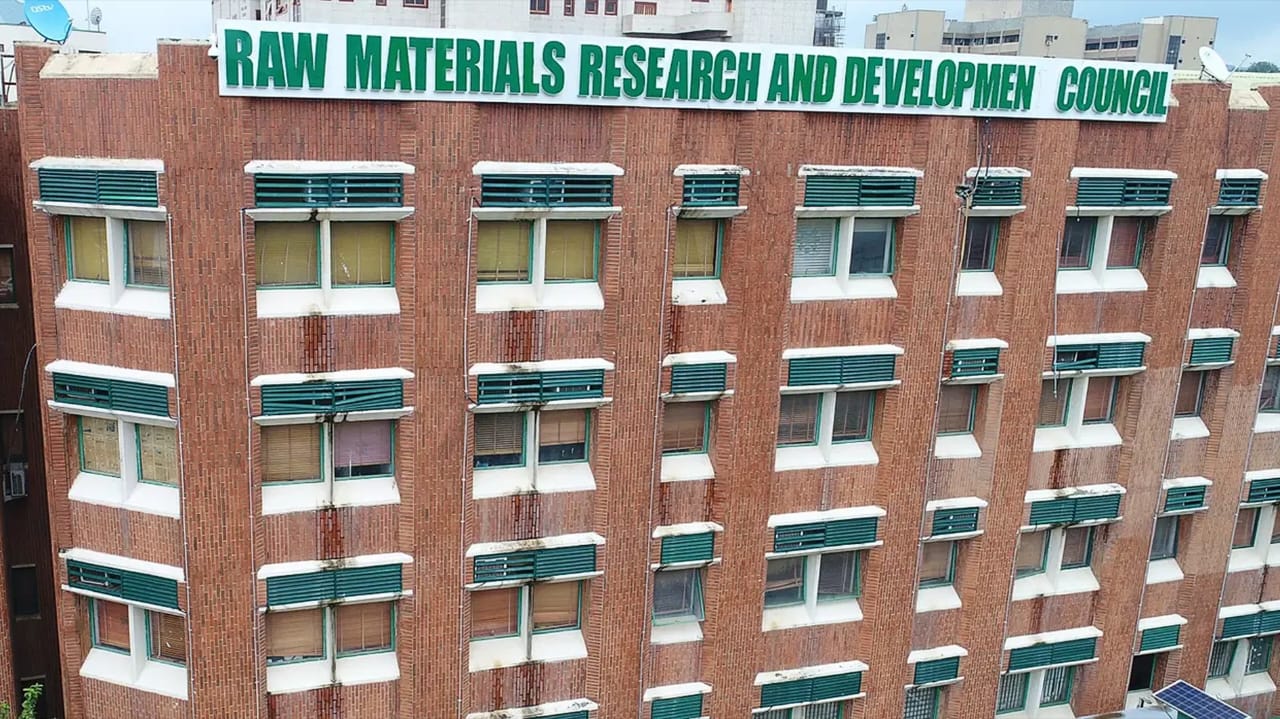
The Raw Materials Research and Development Council (RMRDC) said the Council is set to use the second edition of the Africa Raw Materials Summit (ARMS 2026) to drive a continental shift from the export of unprocessed resources to local manufacturing, value addition and industrial development.
The two-day summit, scheduled to commence on October 19, 2026, in Abuja, is themed “From African Feedstock to African Factories.”
Speaking at a press conference ahead of the summit on Tuesday in Abuja, the Director-General and Chief Executive Officer of RMRDC, Prof. Nnanyelugo Martin Ike-Muonso, said the event would bring together policymakers, investors, researchers, technology providers and industrialists to develop practical strategies for transforming Africa’s abundant natural resources into industrial wealth.
He said Africa had endured an extractive economic model characterised by the relentless export of raw materials, noting that the continent’s soils, mines and forests yield enormous resources, while its economies remain trapped in cycles of low-value addition.
“In Nigeria alone, our soil holds over $582.4 billion in documented non-renewable natural resources. Across Africa, our endowment of critical transition minerals, agricultural raw materials and industrial feedstock is enormous.
“Yet our vulnerability to external commodity-price shocks persists, our currencies face avoidable pressure, and our youth seek jobs that our raw-material export model effectively shifts overseas,” he said.
Ike-Muonso said ARMS 2026 would represent an inflection point where policy, capital, technology and political will would converge to ensure that resources extracted from African soil were increasingly transformed on the continent.
He recalled that RMRDC convened the inaugural Africa Raw Materials Summit in 2025, which attracted more than 1,000 delegates from across the globe and helped establish a policy framework for industrial independence.
According to him, the inaugural summit focused on localised technological capabilities, climate-resilient processing and backward integration, while laying the foundation for ARMS to become an annual platform for advancing Africa’s industrial transformation.
The DG said the council had also undergone significant institutional reforms aimed at moving it from research cataloguing to measurable industrial impact.
He identified the 30 per cent mandatory value-addition framework as one of the council’s major initiatives, explaining that it mandates a minimum level of domestic processing of raw materials before export.
“This is designed to support industrialisation, create more than 1.2 million skilled jobs within five years, strengthen foreign-exchange earnings and increase manufacturing’s contribution to GDP,” he said.
Ike-Muonso also highlighted the National Raw Materials Digital Intelligence System, a live national repository containing information on raw-material deposits, specifications, production output, market opportunities and industrial absorption rates.
According to him, the platform would provide investors, policymakers and manufacturers with reliable data for investment decisions and industrial planning.
He said other reforms include RMRDC’s digital transformation, ISO certification, online platforms, an internationally indexed open-access research journal and training programmes for SMEs, miners and processors.
The DG added that the council had secured approval to run diploma programmes and established partnerships aimed at strengthening technical skills for raw-material processing.
He also disclosed that RMRDC had entered into a South-South technology-transfer partnership with the National Innovation Centre for Excellence (NICE) in Shanghai, China, facilitated by the World Association of Industrial and Technological Research Organisations.
Speaking on the objectives of the summit, the LOC Chairperson, Dr Racheal Kostso, said ARMS was conceived to change the way African countries approach resource development, industrialisation and economic transformation.
She noted that Nigeria and other African countries had for years exported raw materials in their primary forms, only to import processed products at significantly higher prices.
Kostso explained that the summit was designed to facilitate a continental shift from the export of primary commodities towards value addition within Africa.
She stressed that Nigeria could not achieve meaningful transformation of its raw-material sector in isolation, making greater African integration essential to the initiative.
In her welcome address, the Director of Corporate Affairs Directorate, Chinyere Nnamdi-Anum, said the summit would bring together stakeholders, industrialists, researchers and government representatives to develop practical strategies for adding value to raw materials before export.
She described ARMS 2026 as an important platform for shaping Africa’s industrial future and urged stakeholders to engage actively with the discussions and opportunities the summit would provide.



