

By Joy Onu
The World Health Organisation (WHO) has highlighted efforts to bring lifesaving cholera treatment closer to communities in Borno State, as health partners seek to improve access to care and prevent deaths from the waterborne disease.
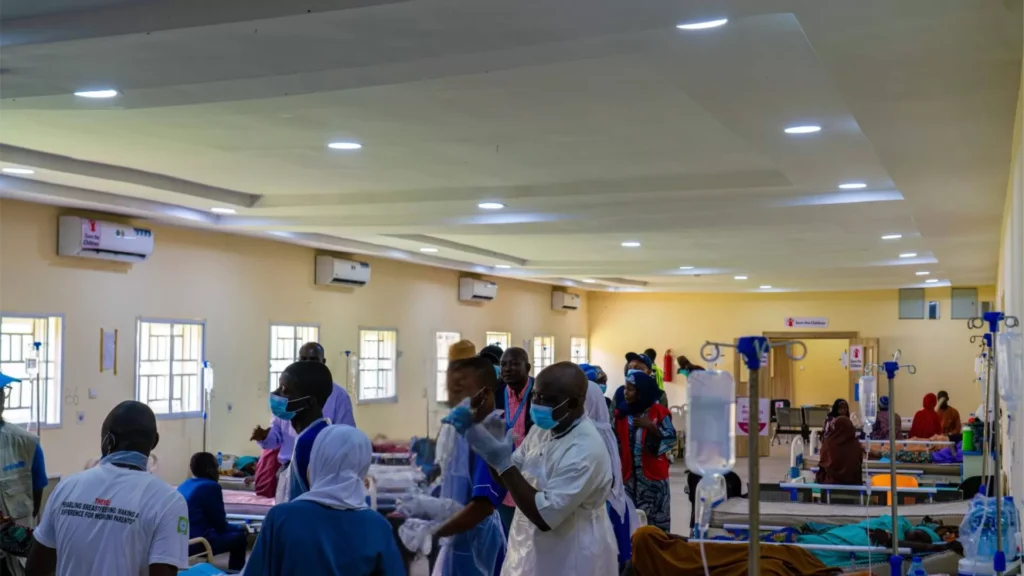
In an update published on October 7, 2026, WHO’s Nigeria office featured services at a Cholera Treatment Unit in Njimtilo, where an eight-year-old boy, Ali Ibrahim, was recovering after experiencing repeated diarrhoea and vomiting.
His experience illustrates the importance of timely medical attention, particularly for children who can develop dangerous dehydration when diarrhoea and vomiting cause rapid fluid loss.
Cholera is an acute diarrhoeal infection caused by the bacterium Vibrio cholerae, usually transmitted through contaminated food or water. Severe cases can lead to life-threatening dehydration and death if treatment is delayed.
However, the disease is treatable. Prompt administration of oral rehydration solution can manage many cases, while patients with severe dehydration may require intravenous fluids and close medical monitoring.
WHO’s account of the Njimtilo facility highlights the role of community-level treatment services in reducing barriers to healthcare, especially in areas where humanitarian needs and difficulties accessing medical facilities can delay treatment.
Bringing care closer to affected populations can help patients receive attention sooner, reducing the risk of complications. This is particularly important when families have limited access to transport or live far from established health facilities.
Treatment alone, however, cannot prevent new infections. Cholera control also depends on access to safe drinking water, adequate sanitation, proper waste disposal and effective hygiene practices.
Residents are advised to seek medical attention immediately if they develop acute watery diarrhoea. Waiting for symptoms to worsen can increase the risk of severe dehydration, while relying solely on home remedies may delay necessary treatment.
Preventive measures include treating drinking water where necessary, washing hands with soap, preparing food hygienically and maintaining clean sanitation facilities. Communities also need reliable information about symptoms, prevention and where to obtain prompt medical care.
Health facilities must be equipped with oral rehydration supplies, intravenous fluids and trained personnel to manage patients according to the severity of their condition. Appropriate infection-prevention measures are also essential to protect patients and healthcare workers.
For Borno State, the experience at Njimtilo points to the importance of linking emergency treatment with stronger primary healthcare, community outreach and sustained investment in water and sanitation services.
While accessible treatment can save the lives of people who contract cholera, lasting progress depends on identifying cases promptly, ensuring that care is available when needed and addressing the conditions that allow the disease to spread.
The WHO update therefore highlights the need to sustain community-level treatment services while strengthening prevention efforts to protect vulnerable populations across Borno State.


