

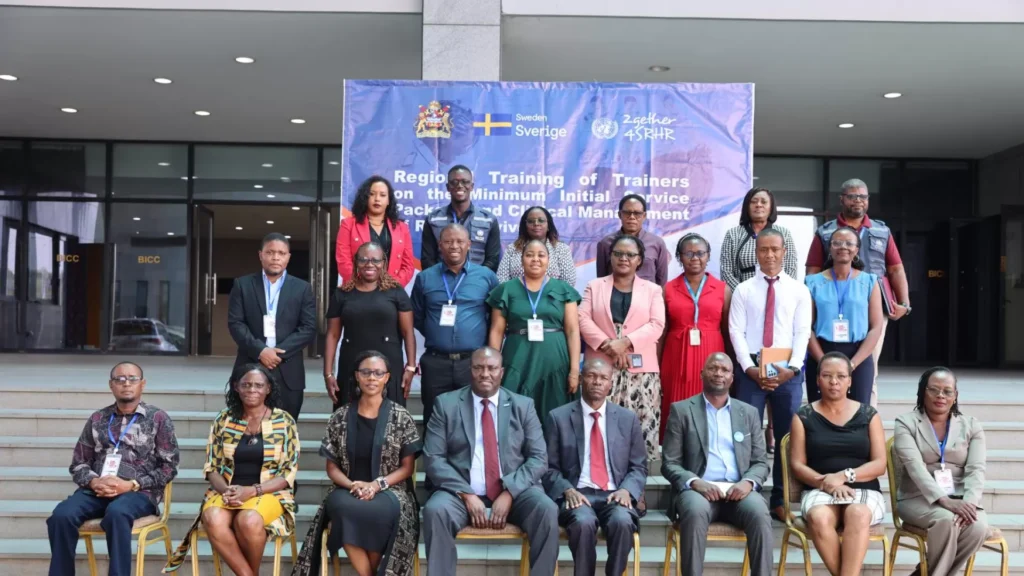
The World Health Organisation (WHO) and its partners have called for continued access to lifesaving sexual and reproductive health services during emergencies, warning that disruptions to healthcare can expose women and girls to preventable complications and deaths.
The appeal, issued yesterday under the theme “No Woman Left Behind,” urges governments and humanitarian organisations to prioritise sexual and reproductive healthcare in emergency planning and response.
Conflict, displacement, natural disasters and other humanitarian crises can damage health facilities, disrupt medical supplies and make it difficult for affected populations to obtain essential services.
Pregnant women are particularly vulnerable when antenatal care, skilled birth attendance and emergency obstetric services become inaccessible. Interruptions can delay the identification and treatment of complications during pregnancy and childbirth.
Women and girls may also lose access to contraception and other reproductive health services, increasing their vulnerability during periods of instability.
WHO, and its partners are therefore calling for these services to remain an essential part of humanitarian operations rather than being overlooked during emergency responses.
Maintaining access requires trained health workers, adequate medical supplies, functioning referral systems and safe, accessible facilities capable of providing timely care.
Displaced women and girls and those living in crisis-affected communities must also be able to obtain appropriate services regardless of their circumstances.
Integrating sexual and reproductive healthcare into emergency responses can help prevent avoidable deaths, reduce complications and protect the health and dignity of women and girls.
The October 12 appeal reinforces the need for governments, humanitarian agencies and development partners to sustain maternal and reproductive health services throughout emergencies, including when healthcare systems are under severe pressure


