

By SIMEON OGOEGBULEM
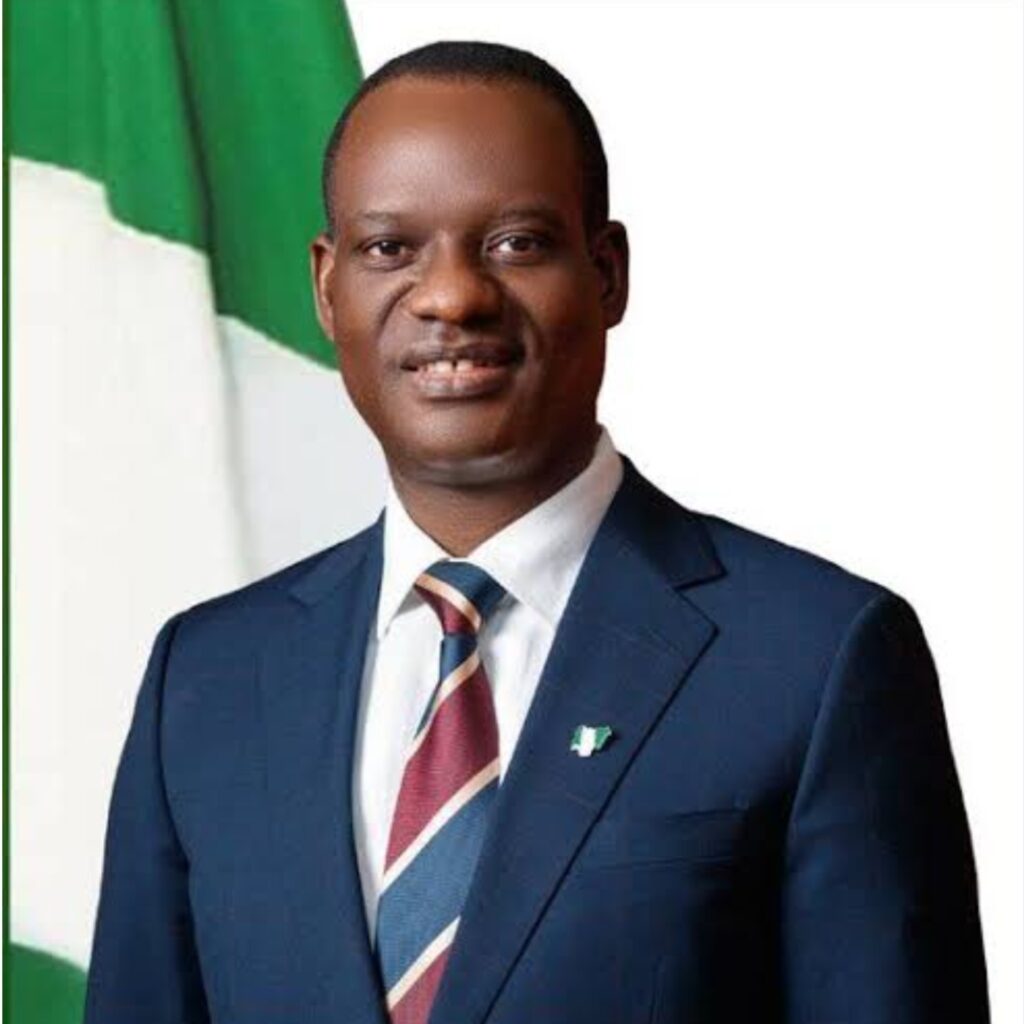
The Minister of Finance and Coordinating Minister of the Economy, Taiwo Oyedele, has moved to accelerate the delivery of development projects backed by the African Development Bank (AfDB). To this end, Oladele has secured an agreement to review the bank’s $6.2 billion portfolio covering 55 public and private sector operations in the country.
The proposed review, agreed with AfDB President, Dr Sidi Ould Tah, at the sidelines of the ongoing 2026 Annual General Meetings of the International Monetary Fund (IMF) and the World Bank Group in Bangkok, Thailand, is aimed at identifying project implementation bottlenecks, speeding up delivery and aligning ongoing investments with the federal government’s economic priorities.
The move comes as Nigeria seeks to secure greater development financing and reduce the cost of borrowing, raising questions about how effectively existing development commitments are being translated into completed projects, infrastructure and economic opportunities.
The $6.2 billion portfolio comprises 55 operations across the public and private sectors, making Nigeria the AfDB’s largest country portfolio in Africa. The joint technical review will examine the performance of AfDB-supported operations, identify obstacles slowing execution and determine how ongoing projects can be better aligned with the government’s development agenda.
Although the agreement does not disclose how much of the $6.2 billion portfolio is affected by delays, the review is expected to help both parties identify areas requiring intervention and improve project delivery. The key challenge for the government and the development bank will be ensuring that financial commitments translate into completed projects and measurable economic benefits.
The Ministry of Finance however did not provide a breakdown of the 55 operations by sector, the value of outstanding disbursements or the number of projects experiencing implementation difficulties.
Oyedele reaffirmed Nigeria’s intention to remain the AfDB’s largest shareholder and meet its capital subscription obligations, while insisting that the longstanding relationship should generate greater development financing and practical economic gains.
The commitment underscores Nigeria’s continued interest in the bank as a strategic source of development support at a time when governments across Africa face pressure to finance infrastructure, stimulate economic activity and manage borrowing costs.
However, the finance minister’s emphasis on tangible benefits places renewed focus on the effectiveness of existing operations, project execution and the ability of development financing to support Nigeria’s economic priorities. The Minister also endorsed the AfDB’s Four Cardinal Points agenda under Ould Tah, describing its objectives as closely aligned with Nigeria’s development priorities. The strategy focuses on four areas: bridging Africa’s financing gap, strengthening financial sovereignty, harnessing the continent’s demographic dividend and developing resilient infrastructure through the local transformation of natural resources.
For Nigeria, the priorities intersect with efforts to expand productive investment, strengthen domestic industries, create employment opportunities and improve infrastructure. Local processing of natural resources, in particular, could support greater domestic value addition, while improved access to development finance could help fund projects that might otherwise struggle to secure affordable capital.
It was gathered that beyond project delivery, Oyedele and Ould Tah discussed the high cost of borrowing confronting African countries, with the Finance Minister arguing that international credit ratings do not always adequately reflect improvements in economic fundamentals and reform performance.
Ould Tah disclosed that the AfDB was developing a facility to provide African governments with technical and analytical support in their engagements with credit rating agencies. The proposed facility would help governments present credible economic data and challenge assessments where the available evidence warrants reconsideration.
The two officials also discussed African financial integration, local-currency transactions, trade insurance and credit enhancement mechanisms intended to reduce investment risks and attract private capital. These measures could help strengthen regional trade and make selected investment opportunities more attractive to lenders and investors.
Local-currency transactions may also reduce dependence on third-party currencies for eligible cross-border trade, although their effectiveness will depend on currency convertibility, market liquidity and settlement infrastructure. Both sides further emphasised the need to retain skilled professionals on the continent, recognising the importance of human capital to productivity, innovation and sustainable development.
Nigeria and the bank have also agreed to begin preparations for an official visit by Ould Tah, who is expected to meet President Bola Ahmed Tinubu, senior government officials and other stakeholders. The proposed visit is expected to deepen discussions on Nigeria’s development priorities and the future of its strategic partnership with the bank.



