The International Monetary Fund (IMF) says a prolonged Middle East conflict could deepen economic pressures across the region, urging governments to strengthen fiscal buffers and adopt targeted measures to protect vulnerable households.
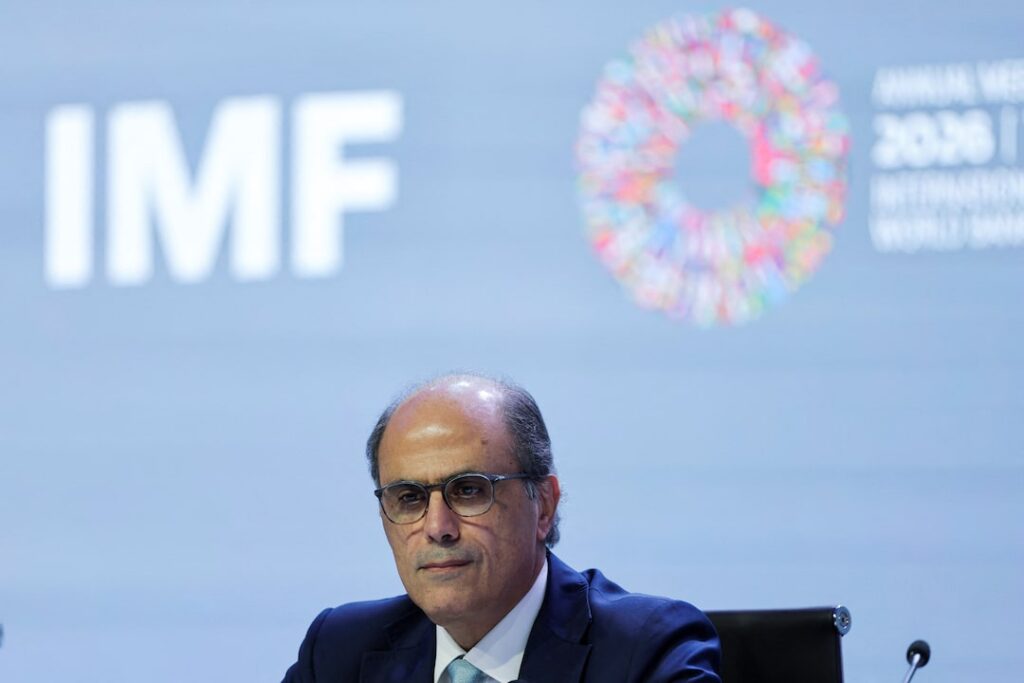
Jihad Azour, Director of the IMF’s Middle East and Central Asia Department, said this at a news briefing in Bangkok on Thursday.
He said the conflict had dealt an uneven economic shock to countries in the Middle East, North Africa, Afghanistan and Pakistan (MENAP), as well as the Caucasus and Central Asia, with economies directly exposed to the fighting facing the greatest pressure.
Azour said output among almost all directly affected exporters had fallen sharply, while disruptions to shipping had pushed fuel prices higher.
However, he said the overall impact had been more contained than initially anticipated, supported by pre-war surpluses, production from non-Gulf exporters, alternative transport routes, adjustments in demand and substantial inventory drawdowns.
According to him, economic activity in MENAP oil-importing economies has remained relatively resilient in 2026, supported by remittances, tourism inflows, accommodative financial conditions and government assistance.
He, however, warned that policy buffers were narrowing, while inflation was projected to rise moderately in 2026 before gradually easing.
Azour said the outlook depended largely on how quickly energy production and trade normalised, as well as countries’ ability to preserve macroeconomic stability.
He described the outlook as exceptionally uncertain, identifying a prolonged conflict as the most significant downside risk to regional economic prospects.
To address the challenges, Azour outlined three policy priorities, beginning with price stability and the preservation of fiscal sustainability.
He said monetary policy should remain the first line of defence against inflation, supported by prudent fiscal measures, particularly in countries with limited fiscal space.
He added that tighter monetary conditions and measures to restrain liquidity might be necessary where inflationary pressures emerge.
On fiscal management, Azour said governments needed to rebuild financial buffers through stronger domestic revenue mobilisation, more efficient public spending and robust fiscal frameworks.
He advised countries against broad-based subsidies, recommending instead temporary, targeted and budget-neutral cash transfers to support households most affected by the economic consequences of the conflict.
According to him, targeted assistance will help protect vulnerable populations without placing additional pressure on public finances.
The IMF official also urged countries to strengthen their capacity to withstand future shocks through credible policy frameworks and stronger institutions.
He said economies with independent central banks, credible monetary frameworks and greater fiscal space were generally better positioned to absorb external shocks.
Azour further recommended trade diversification, deeper regional integration and wider adoption of emerging technologies, including artificial intelligence, to boost productivity and support long-term growth.
He said these measures would be more effective when accompanied by structural reforms to improve competitiveness.
Azour stressed that governments needed to balance immediate support for affected populations with policies that preserved economic stability and strengthened resilience against future disruptions.
He said the ability of countries to manage inflation, rebuild fiscal buffers, and implement credible reforms would be crucial to limiting the economic fallout of the conflict, particularly if hostilities persisted.