

By Joy Onu
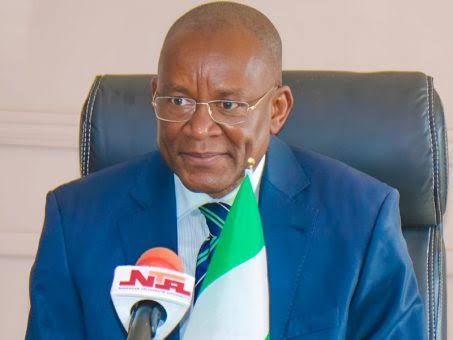
The Minister of State for Industry, Trade and Investment, Senator John Enoh, has urged micro, small and medium enterprises (MSMEs) to acquire the skills needed to compete for government contracts, following the launch of a digital public procurement training portal.
Enoh said many small businesses were excluded from government procurement opportunities not because they lacked the capacity to execute contracts, but because they did not understand bidding procedures, compliance requirements and contract management.
He spoke in Abuja at the launch of the Bureau of Public Procurement (BPP) MSME Public Procurement Training Programme and Digital Learning Portal, describing the initiative as a means of making public contracting more accessible to Nigerian businesses.
The Minister noted that MSMEs account for approximately 96 per cent of businesses in Nigeria and contribute about 50 per cent of the country’s Gross Domestic Product (GDP), making them important to economic growth, job creation and national development.
“The preference for local businesses means little if those businesses are not equipped to compete. Having the right information and the right skills is the best way to make this happen,” he said.
Enoh urged business owners to register on the platform, complete the training and work through their business associations to take advantage of available government contracts.
He also called on public institutions to publicise procurement opportunities widely, divide large contracts into manageable portions where appropriate and pay contractors promptly for completed work.
He said delayed payments could place considerable financial pressure on small businesses, many of which operate with limited resources.
According to the Minister, greater government patronage of Nigerian enterprises could strengthen domestic industries, create jobs and reduce pressure on foreign exchange. He urged the BPP and other relevant agencies to ensure the portal delivered practical benefits beyond its launch.
The BPP Director-General and Chief Executive Officer, Dr Adebowale Adedokun, said the portal was developed with support from the World Bank under the Sustainable Procurement, Environmental and Social Standards Enhancement Project.
He described public procurement as an important instrument for delivering public services, stimulating economic activity, generating employment and promoting sustainable development.
Adedokun said the platform offers free training tailored to Nigeria’s procurement system, guiding participants through the process of identifying contract opportunities, preparing bids and delivering contracts.
The learning resources include interactive modules, quizzes, practical examples and a certificate of completion. The portal is accessible through computers, tablets and smartphones, with features designed to accommodate users with limited internet bandwidth.
He said the programme would pay particular attention to women-owned businesses, young entrepreneurs, persons with disabilities and veterans, who often face additional barriers to accessing public contracts.
The Bureau was also reviewing existing obstacles to MSME participation to make the procurement system more inclusive, he added.
Adedokun clarified that completing the training would not guarantee the award of government contracts. Rather, he said, it would equip businesses to compete more effectively under a procurement system based on competition, transparency, accountability and value for money.
The World Bank Country Director, Matthew Verghis, described the initiative as an opportunity to expand economic opportunities, strengthen competition and support job creation.
He said an effective procurement system could create markets for businesses, improve the use of public resources and stimulate economic growth, particularly through the role of MSMEs in employment generation.
Verghis said the bank’s support reflected its priorities of creating jobs, strengthening institutions, promoting private-sector growth and improving public spending. He encouraged entrepreneurs to use the platform, provide feedback and apply the knowledge gained to compete for contracts.
The Minister of Youth Development, Comrade Ayodele Olawande also pledged his ministry’s support, saying the programme aligned with efforts to expand digital learning and improve young Nigerians’ access to business opportunities.
He said the initiative complemented the ministry’s One Youth, Two Skills programme, which aims to equip seven million Nigerian youths with skills for productive economic participation.
The Minister urged young entrepreneurs to undertake the training and apply the knowledge to their businesses. He also pledged collaboration with the BPP and other stakeholders to expand opportunities through digital skills development, entrepreneurship and improved market access.
Representatives of federal government agencies, the World Bank, the Bank of Industry, state procurement regulatory bodies, business associations, civil society organisations and MSMEs attended the launch.
The initiative is expected to improve business preparedness, reduce information gaps and broaden Nigerian enterprises’ participation in public procurement.



