

by Joy Onu
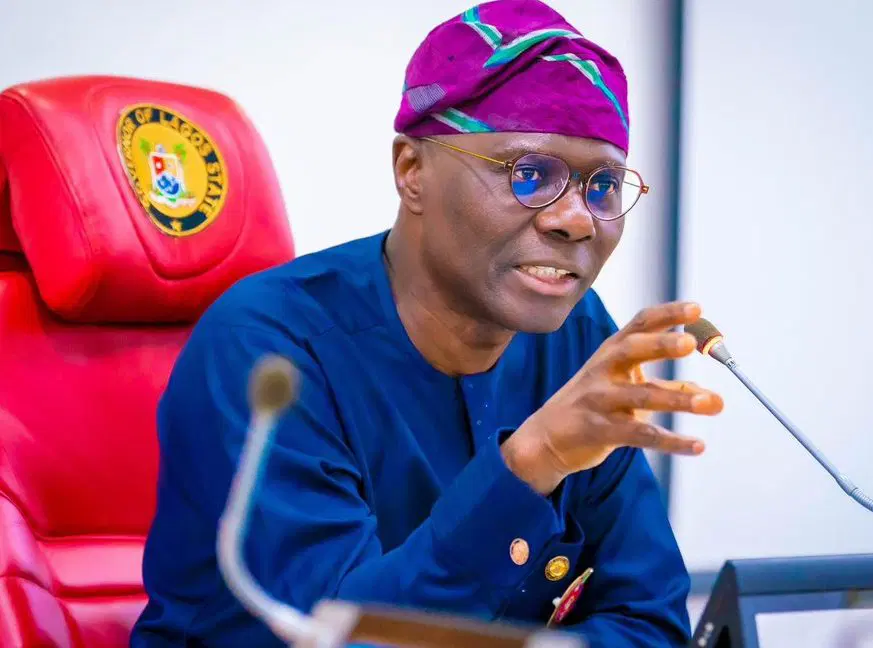
Gov. Babajide Sanwo-Olu of Lagos State has pledged continued engagement with the Medical Guild to resolve outstanding issues relating to doctors’ allowances, welfare and working conditions in the state’s public health sector.
Sanwo-Olu gave the assurance at the Medical Guild’s Centenary Celebration and Scientific Conference on Tuesday in Lagos.
The event had the theme, “100 Years of Healthcare Delivery: Celebrating the Past, Transforming the Present, Shaping the Future.”
Sanwo-Olu, represented by Mr Sam Egube, Deputy Chief of Staff, acknowledged that some aspects of the implementation of the Professional Allowance Statement approved for doctors in the state service remained unresolved.
The governor said the state government remained committed to working with the guild to address outstanding concerns, noting that the welfare, safety and professional development of healthcare workers were critical to delivering quality medical services.
He recalled that at a meeting with the Guild on July 17, led by its Chairman, Dr Oluwole Olusanya, he approved the implementation of the Professional Allowance Statement for doctors in the state service.
“I acknowledge that outstanding areas and implementation concerns remain unfinished business. I will continue to engage the Guild towards their resolution,” he said.
Sanwo-Olu stressed that quality healthcare depended not only on modern facilities but also on motivated medical professionals working under safe and conducive conditions.
He also paid tribute to the late Dr Vwaere Diaso, who died at General Hospital, Odan, in 2023, saying the incident underscored the need to ensure that hospitals and doctors’ accommodation met appropriate safety standards.
The governor congratulated the guild on its 100 years of service, describing the milestone as an opportunity to honour generations of doctors whose dedication had contributed to healthcare delivery in Lagos.
He said the guild had played important roles in advancing medical professionalism, promoting quality care and advocating improved working conditions for healthcare professionals.
Sanwo-Olu listed the reconstruction of Massey Street Children’s Hospital, improvements to general hospitals and the expansion of emergency care facilities among the state government’s investments in healthcare infrastructure.
He added that the state’s health insurance programme, ‘Ilera Eko’, had enrolled 1.5 million residents as of May 2026, as part of efforts to reduce the financial burden of medical treatment.
The governor also reaffirmed the state’s commitment to expanding access to affordable healthcare through the enforcement of the executive order he signed in July 2024, making health insurance mandatory for residents.
He said the government would continue to strengthen primary healthcare, preventive medicine, medical training and technology-driven services to improve patient outcomes and retain skilled professionals.
Sanwo-Olu urged the Guild to sustain its partnership with the government in building a healthcare system capable of meeting the needs of Lagos’ growing population.
Earlier, Deputy Governor of Lagos State, Dr Obafemi Hamzat, congratulated the Guild on its centenary, describing the milestone as a testament to a century of professional service, advocacy and contributions to healthcare delivery.
Hamzat said the relationship with the Guild was crucial, as government policies on healthcare financing, workforce, remuneration and employment conditions directly affected doctors and service delivery.
He commended doctors for their dedication under demanding conditions, noting that the government recognised the need for fair remuneration, career progression, professional development, conducive working conditions and staff safety.
While acknowledging investments in infrastructure and workforce development, Hamzat said more still needed to be done to meet doctors’ legitimate expectations amid rising emigration of health workers.
Hamzat, represented by Dr Ibrahim Mustafa, Permanent Secretary, Lagos State Primary Health Care Board, pledged sustained engagement with the Guild to improve welfare, retain skilled personnel and strengthen service delivery.
Hamzat listed five priorities for the next phase of healthcare development: strengthening primary healthcare, integrating primary, secondary and tertiary facilities, embracing digital health, investing in the health workforce, and improving health-system resilience.
He urged the guild to develop actionable recommendations on doctors’ welfare, professional development and healthcare system strengthening, stressing that the success of the centenary conference should be measured by practical outcomes.
Similarly, Prof. Akin Abayomi, state Commissioner for Health, highlighted various projects undertaken by the state government to strengthen healthcare delivery while commending the guild for its contribution to health system development.
Abayomi said the next century of medical practice would be shaped by artificial intelligence, digital medicine and improved healthcare infrastructure.
He predicted that medical practice could undergo significant transformation within the next five to 10 years as technology and reforms reshape the delivery of healthcare.
Abayomi expressed optimism that ongoing health reforms, particularly mandatory health insurance, would improve quality of life by expanding access to care and reducing catastrophic health spending that can cripple families financially.
She added that Task sharing, on the other hand, enables different categories of health professionals to work collaboratively and undertake appropriate aspects of care within their competencies, training, and approved scope of practice.
“When implemented responsibly, with appropriate training, supportive supervision, clinical mentorship, and regulatory safeguards, TSTS can expand access to essential health services, improve the efficiency of our health workforce, strengthen service delivery, and contribute to better health outcomes”.
She however noted that task shifting and task sharing is not about lowering standards or asking health workers to practice beyond their competence.
She said it was about making better use of available human resources, equipping health workers with the skills they need, and ensuring that patients receive the right care, from the right provider, at the right time.


