

By Victoria Yakubu
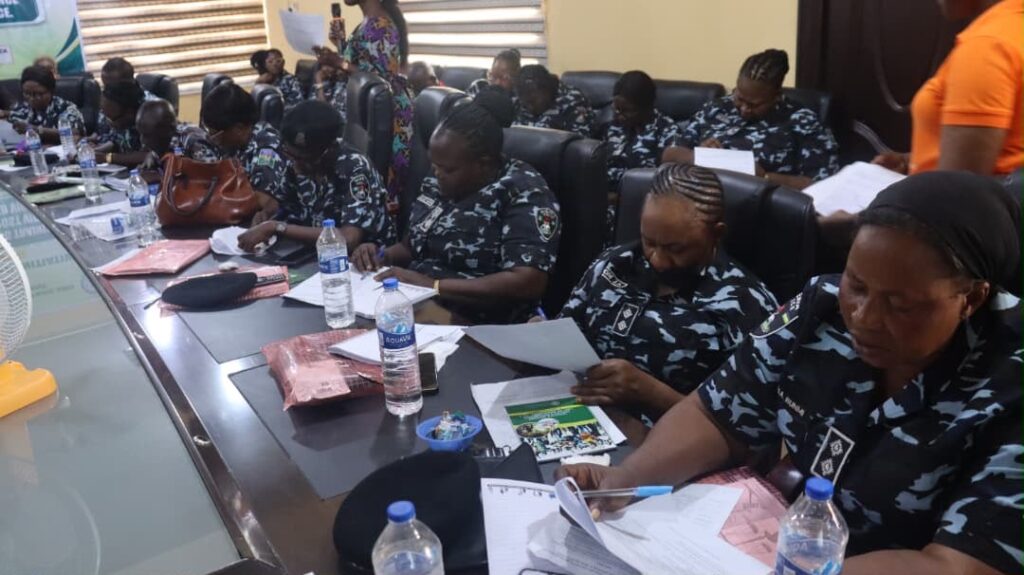
The Ogun State Ministry of Women Affairs and Social Development, in collaboration with the APIN Public Health Initiative, has trained police officers on handling gender-based violence (GBV) cases and providing appropriate care and support for survivors.
According to a statement issued on Thursday by the Ogun State Police Command’s Public Relations Officer, Deputy Superintendent of Police (DSP) Oluseyi Babaseyi, the two-day training focused on survivor-centred responses, evidence preservation, medical referrals and the protection of survivors’ rights.
The workshop was designed to equip officers with the knowledge and practical skills required to respond professionally to sexual assault, domestic violence and other forms of gender-based violence.
Declaring the programme open, the Permanent Secretary of the ministry, Mrs Adebimpe Folusho Obienu, said the training was aimed at strengthening officers’ understanding of rights-based responses, safe referrals and post-violence care.
The first day covered the forms, causes, risk factors and effects of gender-based violence on society. Participants also received guidance on relevant laws and prosecutors’ expectations during police investigations.
The sessions highlighted the role of police officers as first responders and stressed the need to protect survivors’ safety, privacy and dignity when handling reports of abuse.
Officers also received training on interviewing survivors, obtaining informed consent, maintaining confidentiality and preserving evidence. Facilitators cautioned against actions or questions that could cause survivors further emotional distress.
The second day focused on practical response procedures and access to post-violence services, including medical treatment, psychological support, legal assistance and safety planning.
Particular emphasis was placed on the need for prompt medical assessment following sexual violence. Officers were informed that post-exposure prophylaxis (PEP), where indicated, should be initiated within 72 hours of possible HIV exposure to help prevent infection.
The training also addressed appropriate responses to cases involving children, intimate-partner violence, sexual assault and exploitation, alongside safeguards for people at greater risk of harm.
Participants reviewed the Violence Against Persons (Prohibition) Act 2015, particularly Section One, and examined the roles of police gender units, Family Support Units, Sexual Assault Referral Centres and social welfare agencies in coordinating assistance for survivors.
The Ogun State Police Command, under the leadership of Commissioner of Police Bode Ojajuni, reaffirmed its commitment to continuous training and retraining to improve professionalism and strengthen survivor protection across the state.
The command said the initiative formed part of its efforts to align police operations with modern policing standards and improve service delivery.



