The Independent National Electoral Commission (INEC) has selected 342 polling units across Ebonyi State for its nationwide mock accreditation and electronic result upload exercise ahead of the 2027 general elections.
The exercise, scheduled for Saturday, November 28, will take place in two selected polling units in each of the state’s 171 Registration Areas, also known as wards.
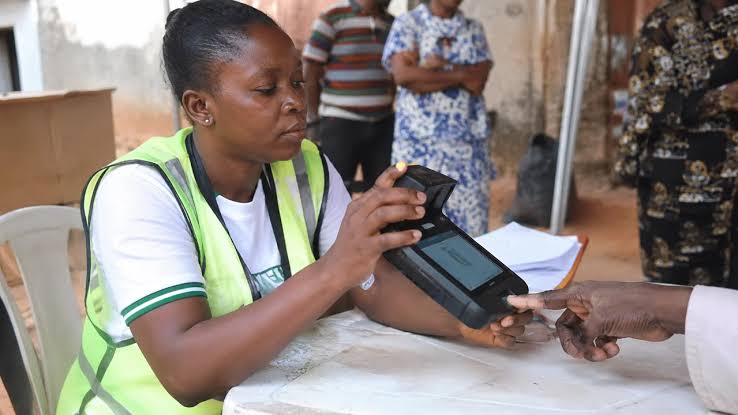
It will run from 8:30am to 2:30pm, with the commission expected to test the functionality of the Bimodal Voter Accreditation System (BVAS), assess accreditation procedures and identify possible technical challenges before the elections.
The Head of the Department of Voter Education and Publicity at INEC in Ebonyi State, Oko Victor Ndubuisi, disclosed this while speaking with journalists in Abakaliki, the state capital.
Ndubuisi said the exercise was part of the commission’s preparations to ensure a free, fair, credible and technology-driven electoral process in 2027.
He urged eligible voters in the selected polling units to turn out and participate in the exercise.
The commission has also published the list of selected polling units, identifying their respective local government areas, wards, polling unit names and identification codes.
According to the national commission, the mock exercise will cover 17,676 polling units across the country’s 8,838 Registration Areas, with two polling units selected in each area.
The exercise will not involve an actual election or the declaration of winners but is designed to simulate electoral operations and establish whether the accreditation and electronic result upload systems are functioning as expected.
INEC Chairman, Prof. Joash Amupitan, had earlier announced the nationwide exercise during an engagement at Chatham House in London, where he said the commission was strengthening its electoral technology ahead of the 2027 general elections.
Amupitan identified insecurity, logistics and result management as major priorities for the commission, noting that operational weaknesses exposed during the 2023 general elections had informed its preparations for the next electoral cycle.
He also said that INEC had introduced additional technical safeguards to prevent inaccurate results and figures reflecting over-voting from being uploaded to its Result Viewing Portal (IReV).
The commission is also working to address previous challenges associated with BVAS performance, including concerns about device failures under extreme heat and storage conditions.
The mock accreditation exercise is therefore expected to provide an opportunity to identify and address possible technical problems before the actual elections.
In a related development, Ndubuisi disclosed that INEC had received Permanent Voter Cards (PVCs) for the second phase of the Continuous Voter Registration exercise since November 13, 2026.
He said collection of the cards was ongoing and urged residents who registered during the first and second phases to visit INEC Area Offices in their respective local government areas to collect their PVCs.
The appeal comes as the commission intensifies preparations for the 2027 elections, with voter registration, PVC collection and public participation remaining important aspects of the electoral process.
The nationwide mock accreditation exercise is expected to provide an opportunity for INEC to assess the readiness of its personnel and technological infrastructure before the elections.
The presidential and National Assembly elections are scheduled for January 16, 2027, while the governorship and State Houses of Assembly elections will hold on February 6, 2027.
With political parties already intensifying preparations in Ebonyi, the commission’s ability to address operational challenges, ensure effective voter accreditation and strengthen confidence in electronic result management will be crucial to the credibility of the forthcoming elections.