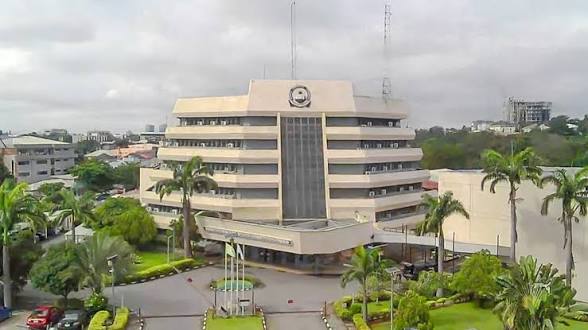
There is an acute shortage of teachers in primary schools in Ebonyi State.
This was one of the key issued addressed in a recently concluded policy dialogue on improving primary schools in Ebonyi State.
According to the chairman of the National Union of Teachers in Ebonyi State, Comrade Francis Elechi Egwu, there is an acute shortage of teachers in basic education in the state.
“Over several years, teachers that left the service, retired or died have not been replaced. The result is overcrowded classrooms and poor learning outcomes by pupils,” he asserted.
In his response, the Principal Secretary to the Governor, Chief Emmanuel Obasi, said the issue is not the number of teachers, it is the allocation of teachers between urban and rural schools.
“Ebonyi has an acceptable pupil to teacher ratio, the challenge is the allocation of these teachers to urban and rural schools. While some schools have more than enough teachers, others are grossly understaffed,” he stressed.
Ebonyi state education stakeholders cutting across the executive, the house of assembly, traditional rulers, faith-based organisations and civil society groups converged in Abakaliki to have a policy dialogue on the poor state of basic education in the state.
In attendance were the chairman of the Ebonyi State Traditional Rulers Council, Eze Charles Nkpuma, the former president of Ohaneze Indigbo Worldwide, Chief Gary Enwo Igariwey, among several high-level dignitaries.
The policy dialogue was organised by the USAID State Accountability, Effectiveness and Transparency in Ebonyi, in collaboration with the Ebonyi State Universal Basic Education Board and the NGO, Technology for Transformative Development Foundation (TTD).
The policy dialogue was convened to discuss the issues arising from a baseline assessment of primary schools in the state.
In his contribution, the Deputy Speaker of the Ebonyi State House of Assembly, Honourable Kingsley Ikoro, lauded the Governor for declaring a state of emergency on education in the state.
According to him, “What is required is a basic education sector strategy that sets clear targets for the ambition of the state on education. Such a roadmap should have clear indicators for measuring success in its implementation, and I can assure you that the Ebonyi State House of Assembly will back this up with increased funding to the education sector,” he stressed.
While making her contribution, Dr Ritamary Okoro, the Head of Service in Ebonyi State, agreed with the key issues identified in the baseline assessment.
These issues include a recommendation to prioritize the recruitment of teachers on a continues basis, the need to provide learning materials, and the importance of having a state basic education strategy.
However, Dr Okoro emphasised the importance of teacher supervision.
“Corruption is the bane of teacher supervision. We must be courageous enough to address the challenges of corruption in teacher supervision. When the integrity of school supervisors is compromised, no credible monitoring of schools can take place,” she stressed.
Stressing the importance of school supervision, His Royal Highness, Eze Dominic Alo, of Amagu Ikwo Autonomous Community, emphasised the importance of involving traditional institutions in monitoring schools.
According to the traditional ruler, he makes it part of his routine to visit schools in his domain, and encouraged the state government to involve communities and traditional institutions in holding teachers to account, and ensuring the quality of learning outcomes.
The USAID project had carried out a baseline assessment of 327 primary schools in the state and identified key issues that must be urgently addressed.
While presenting a summary of the baseline assessment, Ewah Eleri, the Executive Director of TTD, identified such issues to include teacher recruitment, school supervision, the provision of learning materials and the need for a basic education strategy in Ebonyi State. The project was implemented in collaboration with the Ebonyi Universal Basic Education Board.