BY EMMANUEL IKPE, UYO
A pathway has been charted to curb and if possible, eradicate child trafficking and abuse prevalent in Nigeria particularly in Akwa Ibom State.
Stakeholders identified effective implementation of laws with stiff penalties and setting up of community policing mechanism as one of those measures.
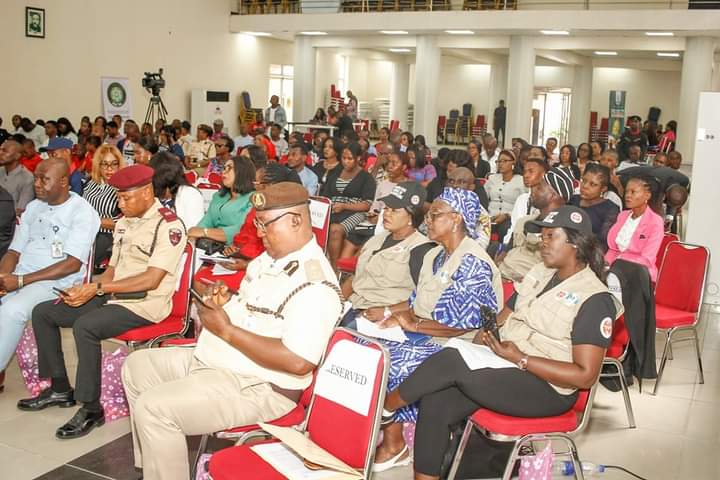
These formed part of the resolutions reached at a stakeholders and media dialogue on child trafficking and abuse in Nigeria.
The resolution is contained in a communique made available to newsmen on Sunday.
The document was endorsed by the Executive Director, Youth Alive Foundation Africa, Dr. Uduak Okon, Chairman Akwa Ibom State Taskforce on Human Trafficking Mrs. Emem Ette, Esq. and the Communique Drafting Team: Paschal Keerebu, Mrs. Eno Jerome, Oluwafemi Adediran, Esq, and Edidiong Enang.
Participants comprising government agencies, security agencies, NGOs, CSOs, social media influencers, journalists, legal practitioners, students, concerned citizens and advocates resolved that issue of child abuse and trafficking needed a push to drastically reduce and curb the high numbers of child trafficking and abuse cases in Nigeria with a closer focus on Akwa Ibom State.
Other points raised at the dialogue includes, development of a synchronized and centralized system of data management and information sharing in the state.
The communique also emphasized on the need for sophisticated communication network between stakeholders to match the highly organized network system of perpetrators.
In the same vein, presence of civil society organisations, private and government agencies in rural communities, most especially the borderline communities, and more grassroots sensitization and increased awareness campaigns were also advocated.
The gathering also sought for clinical components such as medical evidence are some of the bottlenecks to secure prosecution of perpetrators, as such victims should be given quick and immediate medical attention in any hospitals they approach.
They further solicited active engagement of traditional and religious leaders in the sensitization and protection of children and citizens within their congregation as well as creation of trust between communities, NGOs, civil societies, and reporting agencies to enable whistle-blowers and more victims to come forward.
The measures also include recognition of vulnerable children, such as those begging on streets, by traffic lights, and the importance of addressing their situation, plus the need to operate with a sense of urgency and readiness both in preventing child trafficking and abuse and in prosecuting offenders.
Education and enlightenment of the public and most especially parents on ways to prevent child trafficking and abuse by various media houses. More engagement of the media sector in the fight against child trafficking
Consequently, incorporation of social media influencers and platforms to increase sensitization and awareness on trafficking and abuse, and security agencies should give prompt responses to reports of child trafficking and abuse.