

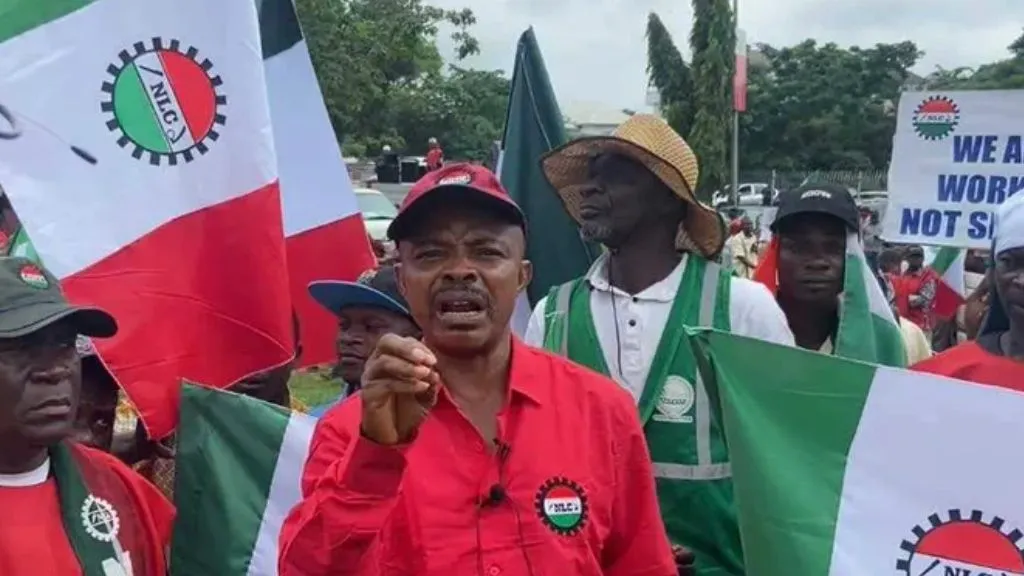
In Nigeria, Organized Labor has suggested a living wage of $300 for all workers, claiming that the N30,000 minimum wage that is in place now is insufficient due to inflation and the high cost of living.
The idea was made in the midst of current talks for a new national minimum wage and was tabled at a recent meeting of the National Public Service Negotiating Council. Union leaders contended that the withdrawal of fuel subsidies and the high exchange rate had a substantial influence on buying power, making the existing income insufficient to cover basic demands.
At the 2023 sessions of the Separate and Joint National Public Service Negotiating Council, Comrade Benjamin Anthony, Chairman, Trade Union Side, Joint Meeting of the National Public Service Negotiating Council (JNPSNC), addressed the stance of organized labor on Tuesday.
In doing so, we must all acknowledge that the current Minimum Wage of N30,000 has been undermined by the high exchange rate and the sudden removal of fuel subsidies, which has resulted in a high cost of living in the nation. As previously stated, the time has come to review our Minimum Wage.
It is undeniable that the price of a bag of rice is far more than the so-called Minimum Wage, and to make matters worse, the government is taking too long to pay the N35,000 wage award that was freely and jointly agreed upon.
Given the aforementioned, Labour has suggested that Nigerian workers be paid a living wage of $300.
This is because our money has lost value; if you go to the market today with N100,000, you will return with a leather bag full of goods.
In order to support the working class, he said, “We call on Government to immediately pay the arrears of the N35,000 wage award along with the current and expedited action on the process of getting a new living wage.”
Based on yesterday’s exchange rate of the naira versus the dollar on Tuesday, January 30, 2024, the new minimum wage, with the official exchange rate of N1,482, would equate to N444,600 per month for the lowest-paid worker in Nigeria.
Anthony voiced worry about the non-remittance of third-party deductions, such as cooperative and union dues, which provide operational issues for these organizations. Anthony was represented by Comrade Boma Mohammed, the union secretary. He claimed that this circumstance has made it impossible to pay employee salaries, pensions, and insurance plans. In order to lessen the suffering endured by the impacted workers, he encouraged the administration to release and distribute these money as soon as possible.
In response, Dr. Folasade Yemi-Esan, the Federation’s Head of Civil Service, stated that communication between government and organized labor is necessary to promote peace and stability, which will ultimately increase productivity in carrying out policies. She praised the successful results of prior interactions and emphasized the theme of the current council meetings, which is “Digitalization as an effective and efficient tool for service delivery in the Public Service” to enhance performance in the workplace.



