

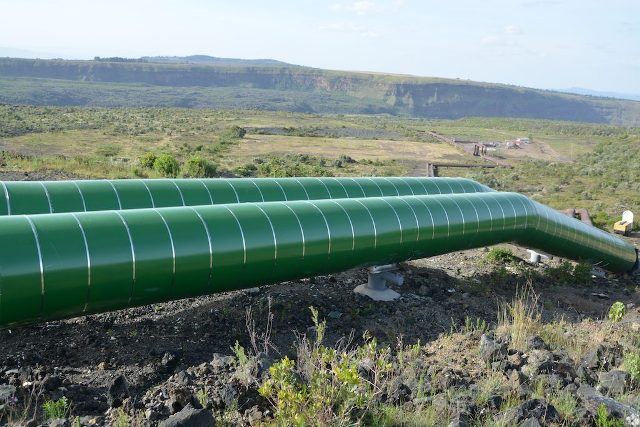
The purpose of this choice is to give priority to those sectors with the greatest potential for increasing economic output. The change, which is slated to take effect this year and last until 2028, will have an effect on energy projects, which presently hold the third-place position in Kenya’s portfolio of recipients of infrastructure investment from the pan-African lender.
AfDB claims that because of the hard labor required to finish the projects, these two industries would significantly advance Kenya’s employment creation objective. For example, the organization disclosed that 37% of Kenya’s overall financing goes toward transportation development. Therefore, concentrating on roads will shorten transit times.
As of July of last year, the African Development Bank (AfDB) has 51 active projects in the nation. The $111.3 million dialing of the Kenol-Sagana-Marua Road and the Last Mile energy Connectivity initiative, which aims to connect low-income Kenyans to energy, are two major projects that the AfDB has sponsored in Kenya.



