

By Theodora Obayojie
Africa is intensifying efforts to strengthen its healthcare and wellness sectors as billions of dollars continue to leave the continent annually through outbound medical tourism, driven largely by gaps in specialised care and advanced treatment services.
The push is gaining momentum among policymakers, health experts, and investors who are increasingly exploring wellness services, cancer care expansion, and broader healthcare system reforms as tools to retain patients and reduce capital flight.
Across the continent, patients continue to travel abroad in search of advanced diagnostics, oncology services, and specialised procedures not readily available in many local health systems. The trend has placed renewed pressure on governments to expand capacity and improve the quality of care at home.
Data from the African Export-Import Bank (Afreximbank) indicates that African countries collectively lose about $7 billion every year to outbound medical tourism, a figure that reflects persistent deficiencies in specialised treatment infrastructure, skilled personnel, and high-end medical services.
In response, attention is increasingly shifting toward the wellness economy, which covers preventive healthcare, rehabilitation, mental health services, nutrition, fitness, and lifestyle medicine. Stakeholders say the sector presents both a public health opportunity and a growing investment frontier capable of generating jobs and reducing long-term healthcare costs.
The discussion will take centre stage at the Fourth All Africa Medical and Wellness Expo (AMWE 2026), scheduled to hold in Abuja from July 1 to 3, where health leaders and industry players are expected to examine pathways for strengthening Africa’s healthcare value chain.
Expected speakers include Dr. Susana Adams of Dr. PhysiQ Global Health and Wellness Ltd and Prof. Usman Malami Aliyu, Director-General of the National Institute for Cancer Research and Treatment (NICRAT).
While the focus on wellness is expected to highlight economic opportunities in preventive and lifestyle healthcare, cancer care will feature prominently in discussions on expanding access to specialised treatment across African health systems.
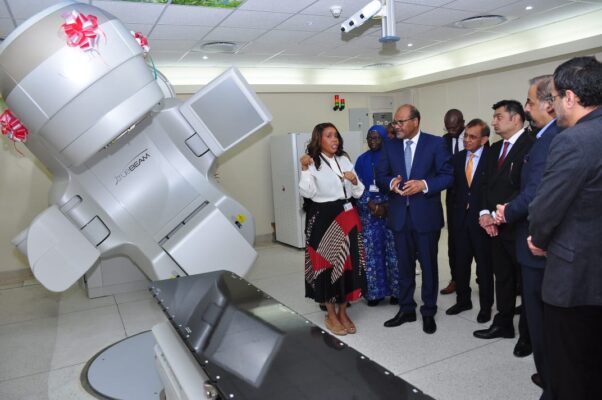
Cancer remains one of the leading drivers of outbound medical travel, with many patients forced to seek treatment abroad due to limited oncology infrastructure, shortages of specialists, and uneven access to advanced therapies within their home countries.
Health stakeholders note that strengthening cancer care systems has become critical not only for improving survival outcomes but also for reducing the financial burden associated with seeking treatment overseas.
Policy analysts, however, warn that efforts to position Africa as a medical tourism destination must be matched with sustained investments in healthcare infrastructure, regulation, workforce development, and service quality.
They stress that improving access for local populations should remain the priority, even as countries explore opportunities to attract foreign patients and grow healthcare revenues.
For many stakeholders, the central concern now is whether African countries can build resilient health systems that reduce outbound medical travel, expand access to specialised care, and make quality treatment more accessible within the continent.



