

BY PETER USMAN
The Central Bank of Nigeria (CBN), in its June 2025 Purchasing Managers Index (PMI) report has indicated that economic activity in the country expanded for the sixth consecutive month, with the agriculture sector taking the lead.
According to the report, the agriculture sector maintains its lead as the top-performing segment.
The composite PMI rose to 52.3 index points in June 2025, up from 52.1 in May, signalling sustained growth in overall economic activity.
In the report, 25 of the 36 subsectors surveyed recorded increased activity during the month. The Industry Sector, with a PMI of 51.4, continued its expansion streak for the sixth month, as nine out of its 17 sub-sectors saw positive movement. The Services Sector also sustained growth, with a PMI of 51.3, reflecting expansion in 11 of the 14 sub-sectors reviewed.
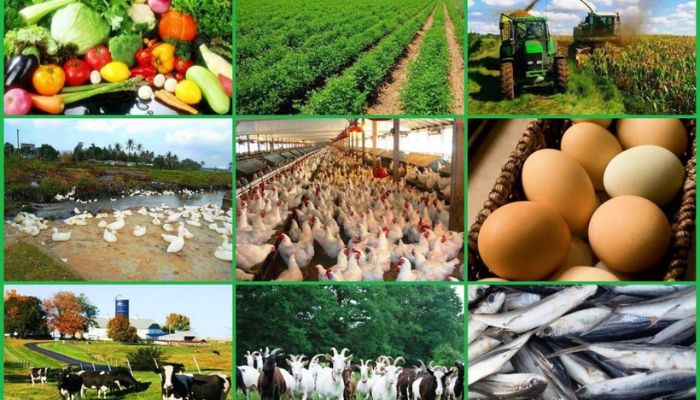
However, agriculture remained outstanding, posting a PMI of 55.2 and expanding for the eleventh consecutive month. All five sub-sectors under agriculture recorded growth, buoyed by increased farming activities.
The sector also recorded the widest input-output price gap at 9.8 index points, indicating robust supply chain activity. In contrast, the Services Sector recorded the narrowest gap at 4.4 points.
The report also indicated that Industry Sector’s growth was largely attributed to increased production levels, while the Services Sector benefited from heightened business activity. Together, these trends underscored a broad-based improvement in economic fundamentals across key sectors.
This positive momentum comes against the backdrop of recent economic reforms implemented by the Nigerian government to restore macroeconomic stability.
Meanwhile, after years of volatility, Nigeria is now showing early signs of recovery with structural adjustments aimed at improving fiscal discipline and enhancing institutional credibility.
In its latest Article IV Consultation, the International Monetary Fund (IMF) praised Nigerian authorities for implementing tough but necessary policy shifts.
The Fund noted that these efforts have improved macroeconomic conditions and strengthened economic resilience, though it acknowledged that significant challenges remain.
Central to Nigeria’s reform agenda has been the restoration of the CBN’s independence, particularly in curbing the use of the “Ways and Means” facility, a channel for government deficit financing that had previously ballooned beyond statutory thresholds.
In the month of April 2025, advances through this facility were reduced by nearly 90 per cent. The IMF described this reduction as a decisive move toward ending deficit monetisation and a critical step in building the institutional framework for inflation targeting.



