

By Theodora Obayojie
Health experts note that preventable maternal deaths among Nigerian women under 40 continue to occur, with complications such as severe bleeding and high blood pressure disorders remaining important contributors to mortality during pregnancy and childbirth, despite being largely manageable with timely medical intervention.
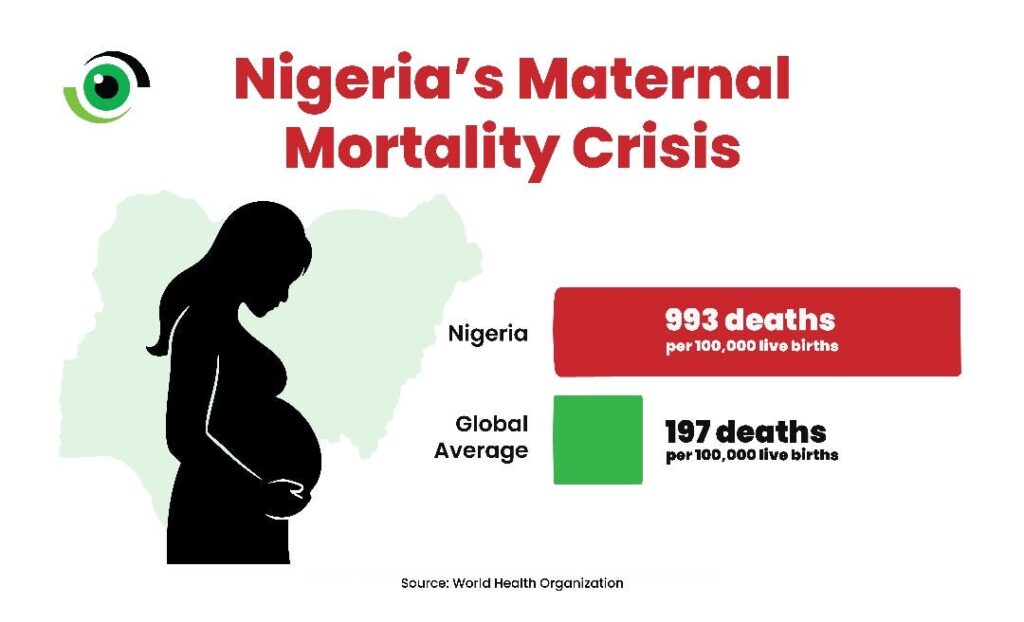
Nigeria still records one of the highest maternal mortality ratios globally, estimated at over 1,000 deaths per 100,000 live births, with younger women and first-time mothers increasingly represented in the figures. According to experts, many of these deaths are linked less to lack of medical capacity and more to delays in recognising danger signs and accessing emergency obstetric care.
Health data indicate that postpartum haemorrhage, excessive bleeding after childbirth accounts for about 30 to 35 per cent of maternal deaths in the country, while hypertensive disorders of pregnancy, including preeclampsia and eclampsia, contribute roughly 20 per cent. Postpartum haemorrhage is considered a life-threatening emergency that can lead to death within hours if not promptly controlled, while preeclampsia involves high blood pressure and possible organ damage after 20 weeks of pregnancy, sometimes progressing to seizures known as eclampsia.
Against this background, obstetric specialists caution that elevated blood pressure in pregnancy should never be ignored. A consultant obstetrician and gynaecologist at the University of Benin Teaching Hospital, Dr. Osadebamwen Aituma, said early warning signs must be taken seriously. “When the blood pressure begins to rise in pregnancy, it signifies a pathology which can harm both the mother and the baby, even leading to death of either mother or child or both if unaddressed,” he said.
Similarly, Dr. Eziamaka Ezenkwele, Coordinator of the Society of Gynaecology and Obstetrics of Nigeria (SGON), Enugu Chapter, emphasised the need for improved awareness and early detection. “Preeclampsia is one of the leading causes of maternal mortality in Nigeria. It is important to create awareness for early detection and treatment to improve outcomes for both mother and child,” she said.
However, experts also point out that maternal mortality is not driven by a single condition. Sepsis, a severe infection that can occur during pregnancy, childbirth or after delivery, remains a major risk, particularly when treatment is delayed. Likewise, obstructed labour more common among adolescents and young women can result in uterine rupture, stillbirth, severe infection, or obstetric fistula.
Maternal nurse Patricia Addisu explained that many of the deaths are linked to systemic delays in care. “These cases follow the three delays: delay in recognising danger signs, delay in reaching healthcare facilities and delay in receiving appropriate treatment after arrival,” she said, adding that anaemia, poor nutrition, and limited antenatal attendance further heighten vulnerability.
A 2024 review also places the prevalence of preeclampsia at 4.51 per cent and eclampsia at 1.39 per cent among pregnant women in Nigeria. The human impact of these statistics is reflected in patient experiences, including that of an Abuja mother who developed eclampsia at 28 weeks. “We kept moving from one hospital to another… it was only at the fourth hospital, the National Hospital, that I was eventually admitted,” she recalled, adding that her premature baby later died after weeks of intensive care.
Ultimately, health experts agree that reducing maternal deaths will depend on strengthening antenatal care, improving emergency response systems, ensuring availability of blood and essential medicines, and streamlining referrals to prevent avoidable delays in treatment.



