

Early December 2025, President Bola Ahmed Tinubu transmitted to the Senate two lists of 34 career and 31 non-career ambassador nominees for screening and confirmation.
On Wednesday December 9, they were promptly cleared by the Senate.
One prominent name on the list was Dr. Jimoh Ibrahim, senator representing Ondo South Senatorial District in the current session. Since his nomination, there have been reactions in favour or otherwise as to his appointment. Some asked whether or not Senator Ibrahim would jettison his senatorial seat for ambassadorial position?
In one instance, an observer noted: “Someone should write about the fall of the Senate to the extent that a Senator (Jimoh Ibrahim) is celebrating and being congratulated for being nominated as an ambassador. Something that should be beneath a Senator.
“Even accepting the role of a minister should be anathema. Udo Udoma, as Senator, rejected (President Olusegun) Obasanjo’s offer to be minister.
“Today, showing how far we have fallen, Senators are scrambling to be members of the executive. Very soon, they will become commissioners in their states!!”
We note that Senator Ibrahim has paid his dues in business and politics: from being a presidential aspirant to governorship and finally his victory as a federal lawmaker in 2023.
However, his appointment as an ambassador has raised the issue of which is higher or better between the two positions?
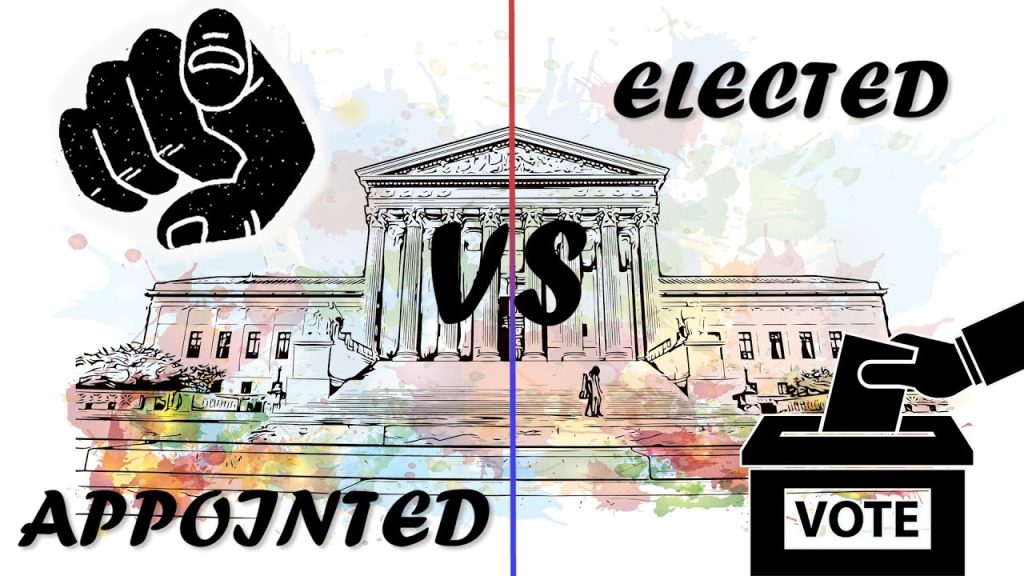
An overview posited that there are “pivotal distinctions between appointed and elected officials; that elected representatives are directly accountable to their constituents, chosen through public elections.
“In contrast, appointed officials are selected by higher authorities and often do not face the same level of public scrutiny. This fundamental difference significantly influences governance.
“Elected officials typically prioritize community needs and engagement, as evidenced by policies that resonate with voter interests. Conversely, appointed officials may focus on the objectives set forth by their appointing authorities, which can result in a disconnect from the public’s expectations.”
While we believe that Jimoh Ibrahim is qualified to be an ambassador, his Senate seat is much more superior to the new appointment.
First, an elected Nigerian Senator has an irrevocable tenure of four years, and second, he or she is critical to approval of ambassadorial nominees which has just happened in the instant case even though Senator Ibrahim was asked to “take a bow and go” by his colleagues in the red chamber.
The catch in an ambassadorial appointment is that an ambassador can be recalled and dumped within six months, more especially if the appointment was just to get an irritant out of sight and pave way for a more favoured candidate for his senatorial seat.
We enjoin our lawmakers to resist the urge to be appointed into the executive arm of government. It belittles them, given that a seat in the Senate politically is a higher pedestal than an ambassadorial or ministerial position.
Which was why in December 2023, Mr. Simon Lalong, former Governor of Plateau State, resigned his position as Minister of Employment, Labour and Productivity in the cabinet of President Tinubu to take up his seat as the Senator representing Plateau South.
Lalong had had a running legal battle to reclaim his Senatorial seat after the Independent National Electoral Commission, INEC, declared that he lost the election.
But once he won the legal tango, Lalong knew it was more honourable to go to the Senate than continue as minister.
There is therefore the need for elected men and women in our polity to know and accept that there is a profoundly fundamental difference between appointed and elected officials and that the latter, in every way, is superior.
“There is therefore the need for elected men and women in our polity to know and accept that there is a profoundly fundamental difference between appointed and elected officials and that the latter, in every way, is superior.”



