

By Joy Onu
Viral hepatitis is often described as a silent epidemic because it can lurk in the body for years without obvious symptoms while steadily damaging the liver. For millions of people, the first sign of infection comes only after the disease has progressed to cirrhosis, liver cancer or liver failure, conditions that are often difficult and costly to treat.
Yet health experts insist that many of these illnesses and deaths are preventable through vaccination, early diagnosis and timely treatment.
It is against this backdrop that the World Health Organisation (WHO) Regional Director for Africa, Dr. Mohamed Janabi, called for renewed commitment to eliminating viral hepatitis across the continent as the world marked World Hepatitis Day 2026, observed under the theme,
“Hepatitis: Let’s Break It Down.”
In his message commemorating the day, made available to the New National Star Newspaper on Monday, Janabi urged governments, development partners, health workers and communities to break down the barriers preventing millions of Africans from accessing life-saving hepatitis prevention, testing and treatment services.
According to Janabi, no one should die from a disease that can be prevented, diagnosed and, in many cases, treated. Although the African Region recorded a 25 per cent decline in new hepatitis B infections between 2015 and 2024, he said that millions of people still lack timely diagnosis, treatment and care, while viral hepatitis continues to claim far too many lives.
He stressed that the challenge is no longer the absence of effective vaccines, diagnostics or medicines, but ensuring the political will, investment and equitable healthcare delivery needed to make these services accessible to everyone.
His warning reflects a growing concern among global health experts that viral hepatitis remains one of the world’s most neglected public health threats despite decades of scientific progress. While diseases such as HIV/AIDS, tuberculosis and malaria receive widespread attention, hepatitis continues to spread quietly, often escaping detection until irreversible liver damage has already occurred.
For many people, the liver continues to function normally even as the virus gradually destroys healthy tissue. This silent progression explains why health experts often describe hepatitis as a “hidden killer.”
The liver is one of the body’s most important organs, performing hundreds of essential functions, including filtering harmful substances from the blood, processing nutrients, storing energy, producing proteins and helping digest food. When hepatitis causes inflammation of the liver, these vital functions gradually become impaired.
Although hepatitis can result from excessive alcohol consumption, certain medicines, toxins and autoimmune diseases, viral infection remains the leading cause worldwide.
According to WHO, there are five major hepatitis viruses, A, B, C, D and E and each behaves differently.
Hepatitis A and E are commonly spread through contaminated food and water, particularly in places where access to safe drinking water and sanitation is poor. Hepatitis B, C and D are transmitted mainly through infected blood and body fluids, unsafe injections, contaminated medical equipment, unprotected sexual contact and from infected mothers to their babies during childbirth.
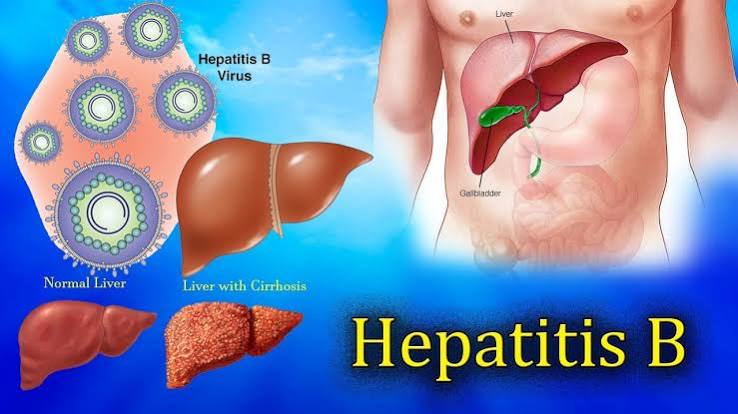
Among them, hepatitis B and hepatitis C pose the greatest long-term threat because they can become chronic infections. Instead of disappearing after a short illness, the viruses may remain in the body for decades, silently causing inflammation and scarring of the liver until serious complications develop.
Without timely diagnosis and treatment, chronic hepatitis can progress to cirrhosis, liver failure and liver cancer.
One of the greatest obstacles to eliminating hepatitis is that many infected people do not know they are carrying the virus.
Unlike many infectious diseases that produce obvious warning signs, hepatitis frequently causes no symptoms during its early stages. By the time fatigue, persistent fever, nausea, vomiting, abdominal pain, yellowing of the eyes and skin, dark urine, pale stools or unexplained itching appear, significant liver damage may already have occurred.
Health experts say this delayed diagnosis contributes substantially to preventable deaths because many patients only seek medical attention after the disease has reached an advanced stage.
Virtually anyone can become infected depending on the type of hepatitis involved. However, certain groups remain particularly vulnerable.
Healthcare workers exposed to blood, people who inject drugs, individuals with multiple sexual partners, men who have sex with men, dialysis patients, prison inmates, pregnant women and babies born to infected mothers face increased risks of hepatitis B and C infection.
Likewise, communities with poor sanitation and limited access to clean water remain vulnerable to outbreaks of hepatitis A and E.
Behind these statistics are countless personal stories of lives disrupted by a disease many people have never heard about until they are diagnosed.
Tega John, a hepatitis C survivor resident in Kuchigoro, airport road Abuja, said he discovered that the virus had been in his body for almost two decades without his knowledge. “It was in fact in my body for approximately two decades without my knowledge,” he recalled, adding that undetected hepatitis C will try to take your life.
His experience illustrates the devastating consequences of late diagnosis and reinforces the importance of routine screening, particularly among high-risk populations.
Another patient whose story was documented by the Hepatitis B Foundation described the shock of developing severe jaundice and overwhelming exhaustion after diagnosis.
“I have never felt so sick in my life,” the patient recalled, capturing the physical and emotional toll that accompanies advanced liver disease.
Despite these experiences, experts say there is reason for optimism because viral hepatitis is increasingly preventable and, in many cases, treatable.
They said vaccination remains the most effective protection against hepatitis B and hepatitis A, while WHO recommends that every newborn receive the first dose of the hepatitis B vaccine within 24 hours of birth, followed by completion of the routine childhood immunisation schedule.
According to the organisation, administering the birth dose on time is the single most effective intervention for preventing mother-to-child transmission of hepatitis B and provides more than 95 per cent protection for vaccinated children.
Health experts also recommend safe blood transfusions, sterile needles and medical equipment, proper infection prevention practices, safer sexual behaviour, harm-reduction programmes for people who inject drugs, and improved water, sanitation and hygiene as key measures for reducing transmission.
Treatment options have improved remarkably over the past decade, as WHO says hepatitis C can now be cured in more than 95 per cent of cases using direct-acting antiviral medicines taken over a relatively short period.
Although hepatitis B currently has no cure, long-term antiviral therapy can suppress the virus, slow liver damage and significantly reduce the risk of cirrhosis and liver cancer. Acute infections may require only supportive care, but chronic infections demand regular medical monitoring and long-term follow-up to prevent serious complications.
For patients whose disease has already progressed to cirrhosis, management becomes a lifelong journey centred on slowing further liver damage, preventing complications and maintaining quality of life.
Doctors generally advise complete avoidance of alcohol, balanced nutrition, regular physical activity where appropriate and careful use of medications, since damaged livers process drugs differently. Routine blood tests, imaging scans and screening for liver cancer also become essential components of long-term care.
In advanced cases where the liver can no longer perform its vital functions, transplantation may become the only life-saving option.
Recognising the growing burden of viral hepatitis and its impact on public health, the Federal Government has in recent years repositioned the fight against the disease from isolated interventions to a coordinated national elimination agenda.
At the centre of that effort is the National Strategic Framework on Viral Hepatitis 2022–2030, which aligns Nigeria with the global target of eliminating viral hepatitis as a public health threat by 2030. The framework focuses on expanding access to prevention, diagnosis, treatment and care while strengthening surveillance, public awareness and equitable access to services across the country.
The Federal Ministry of Health and Social Welfare has also sought to integrate hepatitis services into broader health sector reforms by strengthening primary healthcare, decentralising diagnosis and treatment, building the capacity of health workers and expanding routine immunisation, particularly the timely administration of the hepatitis B birth-dose vaccine to newborns.
A major milestone in the country’s response came in 2025 with the launch of Project 365, a nationwide hepatitis elimination campaign aimed at bringing screening, vaccination and treatment closer to communities.
The initiative targets millions of Nigerians through mass awareness campaigns, community-based testing, vaccination of people who test negative for hepatitis B and expanded access to treatment for people living with hepatitis C. The programme also prioritises underserved communities where access to healthcare remains limited and where many infections go undetected until serious liver damage has already occurred.
To strengthen implementation, the Federal Government announced measures including the establishment of a Viral Elimination Fund, increased budgetary support for hepatitis programmes, tax incentives and regulatory reforms to encourage local production of vaccines and medicines, and stronger collaboration with state governments, development partners, civil society organisations, religious institutions and the media.
Another important aspect of the government’s strategy is improving financial access to care. Hepatitis services are gradually being integrated into the minimum package of care under the National Health Insurance Authority, with the aim of reducing the financial burden on patients and encouraging more Nigerians to seek testing and treatment before complications develop.
Health experts say these interventions represent an important shift from treating hepatitis as a neglected disease to recognising it as a national development and public health priority.
They, however, caution that policies alone will not achieve elimination unless they are matched by sustained funding, effective implementation and widespread public participation.
Low awareness, stigma, late diagnosis and limited access to healthcare continue to discourage many Nigerians from seeking testing until symptoms become severe. In rural and underserved communities, shortages of diagnostic facilities and specialist care remain significant barriers to early detection and treatment.


