

BY SAM OTUONYE
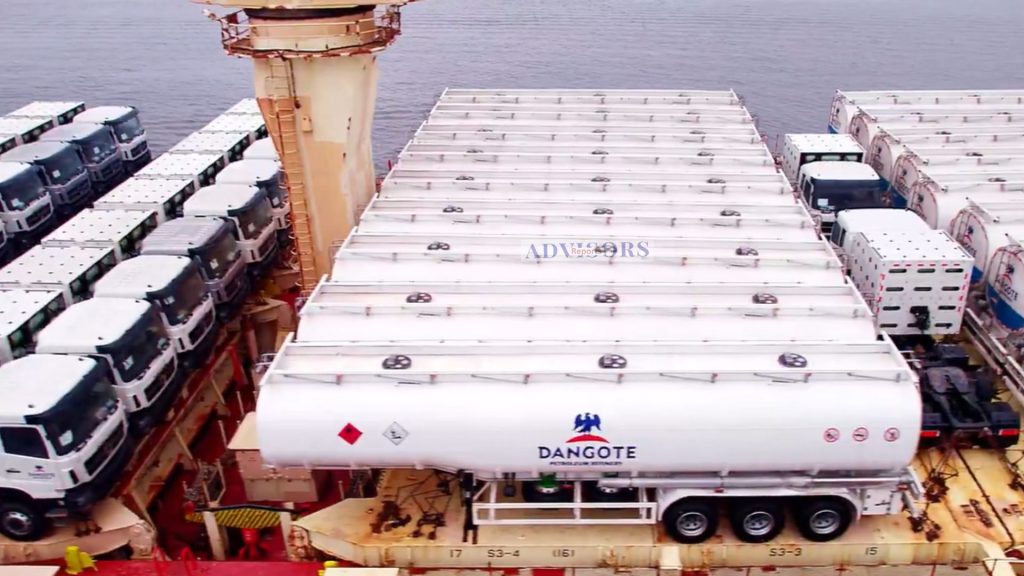
The Minister of State for Petroleum Resources (Oil), Senator Heineken Lokpobiri, has affirmed the support of the Federal Government to ensure the ongoing expansion plans of Dangote refinery is achieved.
He said the Federal Government would provide the necessary backing towards the plan to increase the refinery’s output to 1.4 million barrels per day, (bpd) from 650,000 bpd.
Lokpobiri said the plan would go a long way to meeting the demand in Nigeria and other parts of Africa, which has about 1.5 billion people, already a ready-made market for energy products.
Speaking at OTL Africa Downstream Energy Week in Lagos, he said: “The Dangote Refinery’s expansion to 1.4 million barrels per day is part of the effort to serve West Africa and the entire continent.
“The Federal Government will fully support Dangote to achieve this. That is one of the reasons petrol subsidy was removed. With subsidy in place, the private sector cannot grow.
“The downstream and midstream sectors will only grow when the private sector can mobilize capital and invest locally. Deregulation and privatization pave the way for availability, accessibility, and affordability. No matter the challenges, if we don’t embrace these reforms, Nigeria’s economy could crumble.
“Before now, the government was spending over ₦2 trillion annually on fuel subsidies. Those funds are now being redirected to more productive uses. The truth is, the subsidy regime ended up subsidizing consumption across the West African sub region, not just Nigeria.”
Also speaking, Chairman Advisory Board of OTL Africa Downstream Energy Week, Otunba Adetunji Oyebanji, said: “Africa stands at a defining moment in its energy evolution. Across the continent, rising populations, industrialization, and urban expansion are driving energy demand at unprecedented rates. At the same time, investments in refining, gas infrastructure, and cross-border energy trade are reshaping the continent’s energy map.
“Nigeria, as Africa’s largest energy producer and consumer, occupies a central position in this transformation. The deregulation of the downstream petroleum sector, the renewed commitment to gas commercialization, and the focus on infrastructure development has laid a foundation for long-term growth. Yet, these gains must be deepened through sustained policy consistency, institutional stability, and innovation across the value chain.”



