

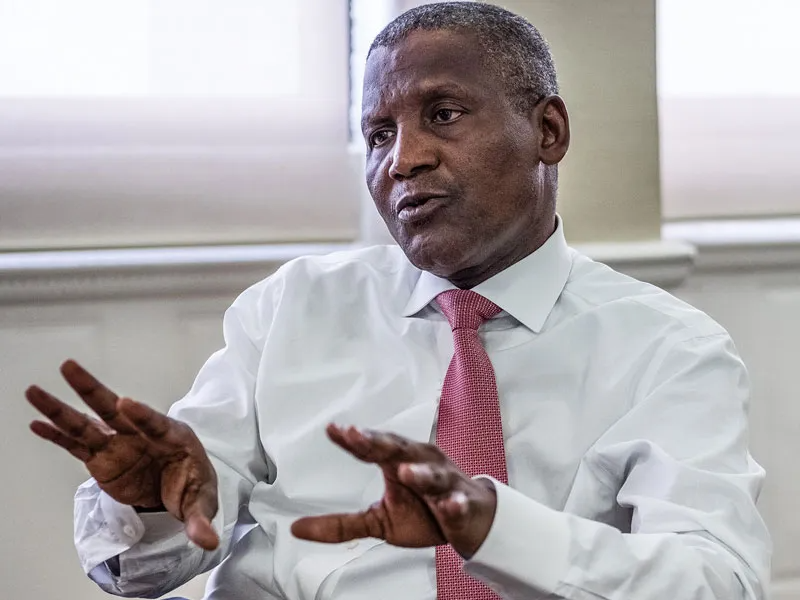
Dangote’s World Bank appointment and implications for Nigeria, Africa
By JENNIFER EZIMAKOR, Abuja
In a significant move underscoring the growing influence of African business leaders on the global stage, the Chairman of Dangote Group, Alhaji Aliko Dangote was recently appointed to the World Bank’s Private Sector Investment Lab with the initiative targeting the increase of private investment and job creation in emerging economies.
The business mogul’s inclusion in this project is especially notable, given his extensive background in sectors critical to the creation of employment such as infrastructure, manufacturing and agriculture, with President Tinubu describing his appointment as ‘apt’, noting his leadership in large-scale projects such as the $20 billion Petroleum Refinery & Petrochemicals project in Lagos and his wide experience in the private sector as central to overcoming investment challenges in Nigeria and by extension Africa.
The impact of this initiative is expected to have a positive impact on job creation in Nigeria, with the Dangote group already the largest private sector employer in the country and the continent, with over 30,000 employees and other investments, in cement, sugar and salt, food processing and oil, creating thousands of jobs across the nation and continent at large.
With a seasoned industrialist at the helm of the Private Sector Investment Lab spearheaded by the World Bank, transformative ideas are sure to influence emerging markets across the globe and attract private investments that would solve issues of unemployment and limited infrastructure. His perspective could also help inform investment decisions that are not just profitable but also attuned to socio-economic realities on the continent.
It is noteworthy that prior to the birthing of Dangote Refinery and Petrochemical Company, wealthy multinational oil and gas conglomerates like Shell, Chevron, Total, etc. had literally avoided undertaking such huge investment route in Sub Saharan Africa, despite the vast oil and gas deposits and other economies of scale, doubting any sustainable return on investment, and importantly safety of the investment itself. The practice had always tilted towards outsourcing production of refined Petroleum products, and of course, jobs to Europe from where refined products are imported back to the continent.
However, Dangote’s dogged investments in the continent has demystified those fears, opening up the continent to more investments and job opportunities, whilst encouraging other indigenous continental investors and the wealthy diaspora population to think Africa as the next destination owing to its talented teeming young population.
As Africa continues to seek sustainable economic development, the presence of such prominent business leaders as Dangote on global decision-making platforms may be a determining factor in shaping policies for inclusive prosperity and growth.



