

Theodora Obayojie
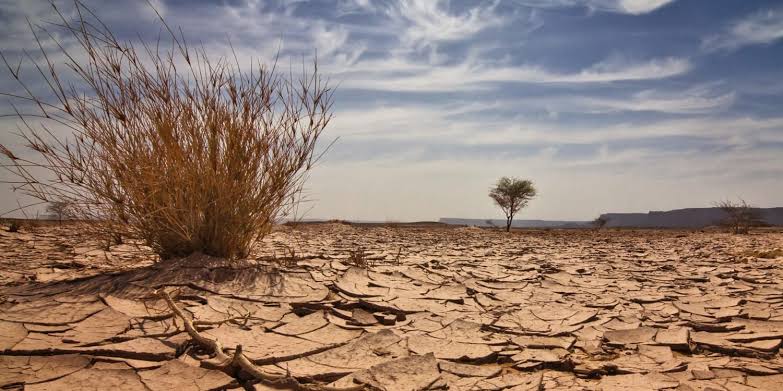
A disaster management expert, Mr Benson Agbro, has warned that drought and deforestation remain among the most underestimated environmental risks in Nigeria, as land degradation and water stress continue to intensify across vulnerable regions.
Agbro said the combined effects of prolonged dry conditions and tree loss are worsening environmental pressure in parts of the country, particularly in the North.
He said, “Drought and deforestation are environmental risks Nigerians are underestimating. It’s a natural disaster with high death risks, stressing that crops fail, water sources dry up, and people are pushed into severe hardship.”
His remarks come as Nigeria joined the global community in marking the International Day to Combat Desertification and Drought, with focus on the growing impact of land degradation, drought, and declining soil productivity.
The Federal Ministry of Environment Federal Ministry of Environment says the government is scaling up land restoration efforts, including afforestation programmes, watershed protection, and enforcement of environmental regulations aimed at reducing land misuse.
The Great Green Wall Initiative Great Green Wall Initiative continues restoration activities across 11 northern states, targeting areas most affected by desert encroachment and soil degradation.
Meanwhile, the National Emergency Management Agency (NEMA) has warned of a 21-day severe dry spell expected in parts of Kebbi State between June and August 2026, advising residents and farmers to take precautionary measures to reduce exposure to water and agricultural stress.
Environmental stakeholders say the combination of drought, deforestation, and poor land management is accelerating ecological vulnerability across the Sahel region, requiring stronger coordination between government and local actors.
Authorities maintain that long-term resilience will depend on sustained investment in land rehabilitation and improved early warning systems to reduce climate-related risks.
Nigeria joins other countries in using the international observance to renew focus on protecting land as a foundation for food security and environmental stability.



